
Type 2 Diabetes Treatment in McKinney: A Root-Cause, Personalized Path to Long-Term Blood Sugar Control
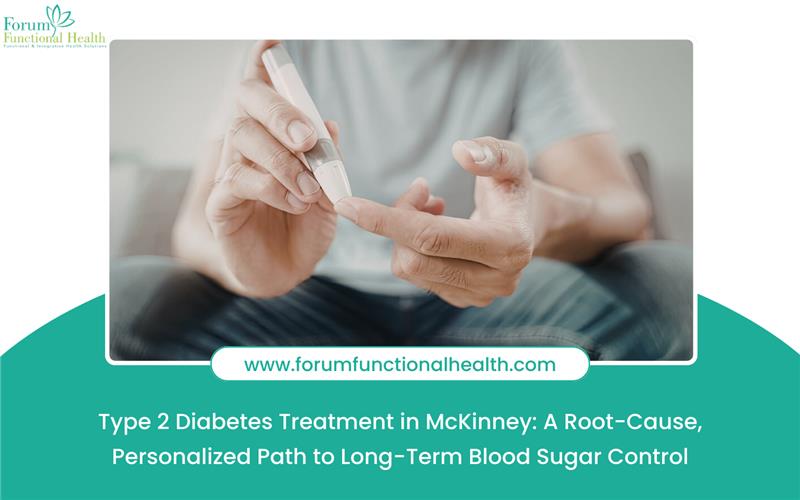
When you’re living with type 2 diabetes, it rarely feels simple. It’s not just about checking glucose numbers—it’s about energy crashes in the middle of the day, frustration over stubborn weight gain, worry about complications, and feeling like your body is no longer working the way it should.
At Forum Functional Health in McKinney, we believe type 2 diabetes treatment should go deeper than symptom control. It should uncover why blood sugar is elevated, address the root causes of insulin resistance, and support the whole person—not just the diagnosis.
If you’ve been researching type 2 diabetes symptoms, wondering about long-term solutions, or looking for a more comprehensive approach in McKinney, this guide will walk you through what’s possible.
Real Patient Problems: The Human Side of Type 2 Diabetes
Behind every diagnosis is a person trying their best.
Many patients who visit our McKinney clinic share similar stories:
- “I’m doing everything right, but my numbers aren’t improving.”
- “I feel exhausted all the time.”
- “My medication keeps increasing.”
- “I’m scared of complications.”
- “I don’t want this to define my future.”
Understanding Type 2 Diabetes Symptoms
Recognizing type 2 diabetes symptoms early is essential for prevention and management. Common symptoms include:
- Frequent urination
- Increased thirst
- Persistent fatigue
- Blurred vision
- Slow-healing wounds
- Tingling or numbness in extremities
- Increased hunger
However, many people experience subtle signs long before diagnosis—brain fog, abdominal weight gain, sugar cravings, mood swings, or difficulty losing weight.
At its core, type 2 diabetes develops when the body becomes resistant to insulin. Over time, the pancreas works harder to compensate, leading to elevated blood glucose levels. Chronic inflammation, poor sleep, stress, environmental toxins, hormonal imbalance, and nutrient deficiencies all contribute.
This is why treating only the glucose number often falls short. The real solution lies in understanding what triggered insulin resistance in the first place.
How Our Type 2 Diabetes Treatment Works: Step-by-Step
Our approach in McKinney is structured, personalized, and rooted in science. Here’s how the process unfolds.
Step 1: Comprehensive Root-Cause Evaluation
Rather than relying solely on a basic glucose test, we conduct a deeper metabolic assessment that may include:
- Fasting glucose and insulin
- Hemoglobin A1c (HbA1c)
- Lipid profile
- Inflammatory markers
- Thyroid and adrenal evaluation
- Hormonal balance testing
- Nutritional deficiency screening
- Gut health analysis
This detailed picture allows us to identify drivers such as chronic inflammation, cortisol imbalance, mitochondrial dysfunction, or micronutrient depletion.
Every patient’s metabolic story is unique. Understanding it changes everything.
Step 2: Personalized Nutrition for Blood Sugar Stability
Nutrition is foundational in effective type 2 diabetes treatment. However, extreme dieting or generic meal plans often backfire.
Our strategy includes:
- Stabilizing blood sugar through balanced macronutrients
- Reducing processed carbohydrates
- Emphasizing fiber-rich vegetables
- Supporting healthy fats for satiety
- Improving gut microbiome diversity
- Creating realistic meal structures for long-term adherence
We also address emotional eating, stress-driven cravings, and metabolic plateaus. Sustainable change—not restriction—is the goal.
Step 3: Repairing Insulin Resistance
Insulin resistance is not just a glucose issue—it’s a systemic metabolic problem.
Targeted interventions may include:
- Micronutrient optimization (magnesium, chromium, vitamin D)
- Antioxidant support to reduce oxidative stress
- Mitochondrial support
- Gut barrier repair
- Hormonal balancing strategies
- Structured weight management support
Improving insulin sensitivity helps the body respond properly to glucose again, reducing spikes and crashes.
Step 4: Strategic Movement & Muscle Activation
Muscle tissue acts as a powerful glucose regulator. Even modest strength training can dramatically improve insulin sensitivity.
We guide patients toward:
- Safe strength-based exercises
- Low-impact cardiovascular movement
- Gradual progression routines
- Consistency over intensity
For many patients, building lean muscle becomes a turning point in stabilizing blood sugar.
Step 5: Stress & Sleep Optimization
Chronic stress increases cortisol, which directly raises blood sugar levels. Sleep deprivation worsens insulin resistance.
We help patients:
- Improve sleep quality
- Create realistic bedtime routines
- Reduce evening blue-light exposure
- Incorporate mindfulness techniques
- Address burnout patterns
Often, improving sleep alone leads to measurable metabolic improvement.
Step 6: Ongoing Monitoring & Collaborative Care
True healing requires accountability and adjustment.
We regularly:
- Reassess labs
- Track symptom improvements
- Adjust protocols
- Coordinate with prescribing physicians if medications are involved
Our goal is stability, sustainability, and long-term metabolic health—not temporary improvement.
Comparison Block: Conventional Model vs. Functional Root-Cause Care
| Conventional Diabetes Care | Functional Root-Cause Approach |
| Focus on glucose numbers | Focus on why glucose is elevated |
| Medication-first strategy | Lifestyle and metabolic repair foundation |
| Short, symptom-based visits | In-depth, personalized evaluations |
| Limited nutritional guidance | Detailed, individualized nutrition planning |
| Reactive adjustments | Proactive metabolic optimization |
| Often progressive medication increases | Goal of improved insulin sensitivity |
Both systems have value. However, patients seeking comprehensive type 2 diabetes treatment often benefit from a broader strategy that restores metabolic balance rather than simply managing progression.
The Long-Term Risks of Ignoring Type 2 Diabetes
Unmanaged or poorly controlled type 2 diabetes can increase the risk of:
- Cardiovascular disease
- Kidney dysfunction
- Peripheral neuropathy
- Vision loss
- Cognitive decline
- Chronic fatigue syndrome
- Hormonal imbalance
Addressing the condition early reduces long-term damage and preserves quality of life.
Why McKinney Patients Choose a Functional Approach
In McKinney, many patients are seeking proactive, preventive healthcare. They want:
- Personalized attention
- Clear explanations
- Actionable steps
- Long-term solutions
- Empowerment rather than dependency
Our approach aligns with those goals. We don’t just treat lab values—we help patients understand their metabolism and participate actively in their healing journey.
Frequently Asked Questions
What causes type 2 diabetes?
Type 2 diabetes is primarily caused by insulin resistance, influenced by genetics, diet, inactivity, stress, inflammation, and hormonal imbalance.
What are early type 2 diabetes symptoms?
Early symptoms may include fatigue, increased thirst, frequent urination, blurred vision, slow wound healing, and unexplained weight gain.
Is type 2 diabetes reversible?
While not officially classified as reversible, many individuals significantly improve blood sugar control and insulin sensitivity through structured lifestyle and metabolic interventions.
How long does type 2 diabetes treatment take?
Improvement timelines vary. Some patients see measurable changes within weeks, while long-term metabolic restoration may take several months of consistent intervention.
Can lifestyle changes really improve blood sugar?
Yes. Nutrition, strength training, stress reduction, and sleep optimization are scientifically proven to enhance insulin sensitivity.
A Personalized Future Starts Now
A diagnosis of type 2 diabetes does not mean decline is inevitable. With the right guidance, many individuals regain energy, stabilize blood sugar, and reduce long-term risk.
If you’re in McKinney and searching for a more comprehensive approach to type 2 diabetes treatment, focusing on root causes, whole-body balance, and sustainable strategies may be the turning point.
Your metabolism is not broken—it’s asking for support. And with the right plan, meaningful change is possible.
Contact Forum Functional Health