
Thyroid Hair Loss in Women: Why Thinning Hair May Be a Sign of a Deeper Hormonal Imbalance
You notice more hair collecting in the shower drain. Your ponytail feels thinner. Maybe your eyebrows are becoming sparse, or your hair texture suddenly feels dry and brittle. At first, it’s easy to blame stress, aging, or seasonal shedding. But for many women, thyroid hair loss is connected to something happening deeper inside the body.
What makes this even more frustrating is that many women are told their lab work is “normal,” even while they continue struggling with fatigue, weight changes, brain fog, low energy, and thinning hair thyroid symptoms that affect confidence and daily life.
Hair health is closely tied to hormone balance, inflammation, nutrient status, stress levels, metabolism, and overall wellness. When the thyroid is under stress, the entire body can feel the effects — including the scalp and hair follicles.
At Forum Functional Health in McKinney, Texas, functional medicine takes a root-cause approach to understanding symptoms like hypothyroidism hair loss instead of simply masking them. The goal is to understand why the body is struggling and create a personalized path toward long-term wellness support.
What Is Thyroid Hair Loss?
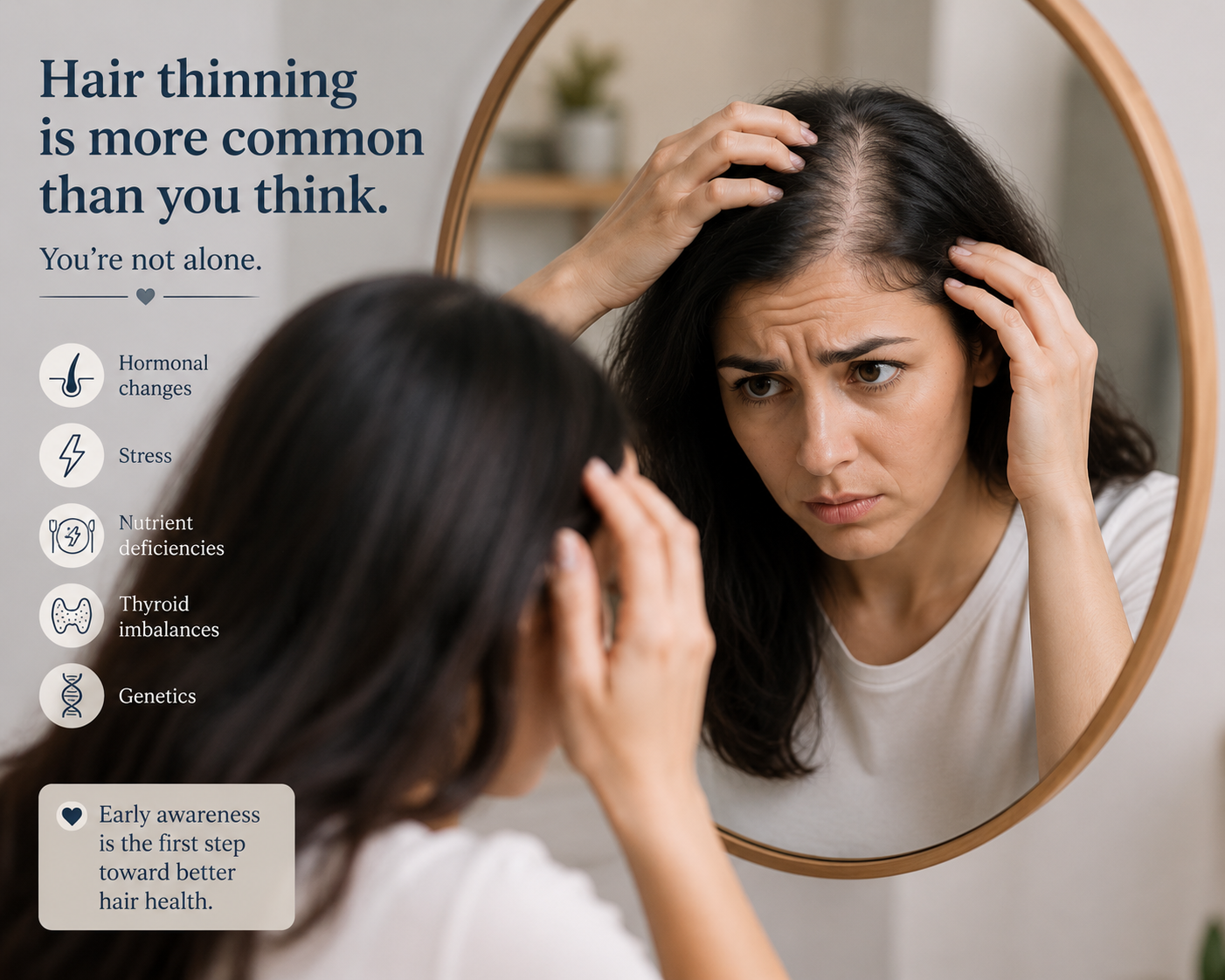
Thyroid hair loss occurs when thyroid hormone imbalances disrupt the normal hair growth cycle. Hair follicles are highly sensitive to hormone fluctuations, especially changes involving metabolism and cellular energy production.
Both an underactive thyroid and an overactive thyroid can contribute to hair thinning, but hypothyroidism hair loss is particularly common in women.
Common signs may include:
- Diffuse hair thinning across the scalp
- Dry, coarse, or brittle hair
- Slower hair growth
- Increased shedding while brushing or washing
- Thinning eyebrows, especially the outer edges
- Hair breakage and texture changes
Unlike sudden patchy hair loss conditions, thyroid-related hair thinning usually develops gradually over time.
Why Does the Thyroid Affect Hair Growth?
The thyroid gland helps regulate metabolism, energy production, temperature regulation, hormone signaling, and cellular repair. Hair follicles require significant energy and nutrient support to stay in an active growth phase.
When thyroid hormones become imbalanced, the body may prioritize essential survival functions over hair growth.
Common reasons thyroid issues contribute to hair thinning include:
Reduced Cellular Energy
Hair follicles depend on healthy metabolic activity. Low thyroid function can slow cellular turnover and weaken the hair growth cycle.
Hormonal Imbalances
The thyroid works closely with cortisol, insulin, estrogen, progesterone, and other hormones. When one hormone system becomes dysregulated, others often follow.
Nutrient Deficiencies
Women with thyroid dysfunction may struggle with low iron, zinc, selenium, vitamin D, B vitamins, or protein deficiencies — all of which can impact healthy hair growth.
Chronic Stress
Long-term stress can elevate cortisol levels and worsen inflammation, fatigue, and hormone disruption. Many women experiencing thyroid hair loss also report burnout, poor sleep, and anxiety.
Inflammation & Gut Health Issues
Functional medicine often explores gut health and inflammation because nutrient absorption and immune balance can influence thyroid function.
Signs Your Hair Loss Could Be Related to Thyroid Dysfunction
Many women don’t initially connect hair changes with thyroid health. However, certain symptoms tend to appear together.
Common symptoms linked with thinning hair thyroid concerns include:
- Persistent fatigue
- Brain fog
- Weight gain or difficulty losing weight
- Dry skin
- Cold sensitivity
- Mood changes or depression
- Constipation
- Poor stress tolerance
- Irregular menstrual cycles
- Sleep disruptions
Some women in busy North Texas communities like McKinney, Plano, Frisco, and Dallas may assume these symptoms are simply caused by stress or aging. But ongoing symptoms deserve deeper evaluation, especially when multiple systems in the body are affected.
Can You Have Thyroid Symptoms Even With “Normal” Labs?
Yes — and this is one reason many patients seek a functional medicine approach.
Traditional testing may sometimes focus only on limited markers, while functional medicine providers often evaluate broader patterns, symptom history, lifestyle factors, inflammation, nutrition, and hormone interactions.
A patient may technically fall within a “normal” range yet still experience symptoms that affect daily quality of life.
Functional medicine may look at factors such as:
- Comprehensive thyroid markers
- Inflammation indicators
- Blood sugar balance
- Nutrient deficiencies
- Cortisol and stress patterns
- Gut health concerns
- Sleep quality
- Lifestyle habits
This broader perspective can help identify contributing factors that may otherwise go overlooked.
The Functional Medicine Perspective on Thyroid Hair Loss

A root-cause healthcare approach recognizes that symptoms rarely exist in isolation.
Hair thinning is not always “just a hair problem.” It may reflect deeper imbalances involving hormones, stress physiology, nutrition, inflammation, or metabolic health.
Functional medicine focuses on:
- Understanding why symptoms developed
- Looking at the body as an interconnected system
- Identifying contributing lifestyle and physiological factors
- Supporting long-term wellness instead of symptom suppression alone
For example, a woman dealing with hypothyroidism hair loss may also struggle with:
- Poor sleep from chronic stress
- Blood sugar crashes throughout the day
- Inflammation from processed foods
- Nutrient depletion
- Hormonal changes during perimenopause
- Digestive issues affecting nutrient absorption
Addressing only one piece of the puzzle may leave underlying contributors unresolved.
A Realistic Patient Scenario
A woman in her early 40s from McKinney may begin noticing increased hair shedding, stubborn weight gain, low motivation, and afternoon exhaustion. She tries changing shampoos, taking collagen supplements, and exercising harder, but nothing improves.
Her basic lab work appears “fine,” yet she still feels unlike herself.
After a more comprehensive wellness evaluation, deeper contributors may emerge:
- Chronic stress and elevated cortisol
- Blood sugar instability
- Nutrient deficiencies
- Poor sleep quality
- Thyroid imbalance patterns
- Early perimenopausal hormone changes
This is where personalized functional medicine care may provide a more complete understanding of what the body needs.
What Causes Hypothyroidism Hair Loss to Get Worse?
Several lifestyle and health factors can intensify thyroid-related hair concerns.
1. Chronic Stress
High cortisol levels can disrupt hormone communication and worsen inflammation.
2. Poor Sleep
Sleep is essential for hormonal repair, metabolic regulation, and cellular recovery.
3. Blood Sugar Imbalance
Frequent sugar crashes and insulin spikes may increase inflammation and hormone stress.
4. Restrictive Dieting
Extreme calorie restriction can further stress the body and contribute to nutrient deficiencies.
5. Inflammation
Inflammatory foods, gut dysfunction, and chronic immune activation may affect thyroid wellness.
6. Hormonal Changes
Perimenopause and menopause transitions can compound hair thinning concerns in women already dealing with thyroid issues.
Practical Wellness Support for Healthier Hair & Hormone Balance
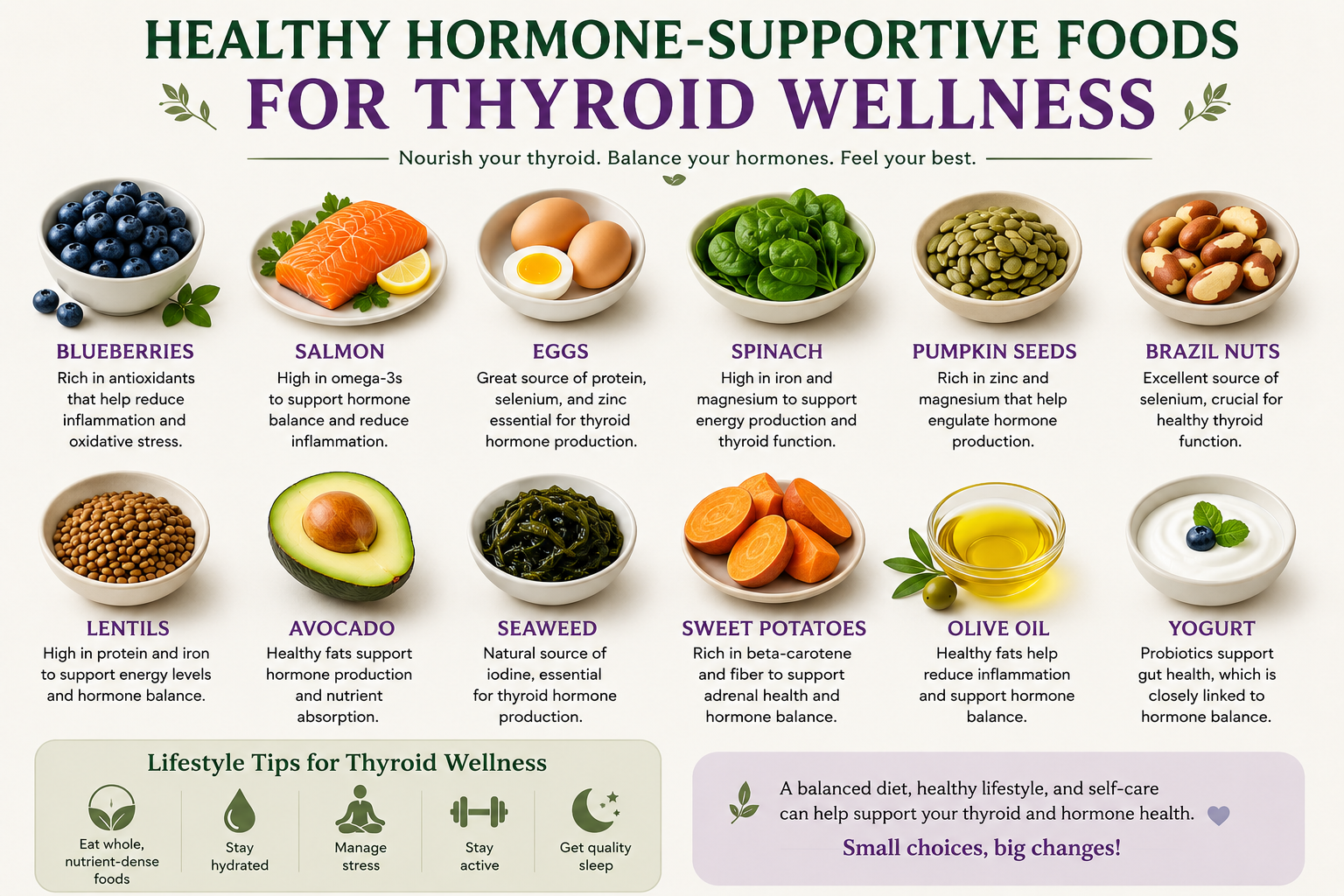
Functional medicine care often combines personalized medical insight with realistic lifestyle support strategies.
Nutrition Support
Many women benefit from:
- Protein-rich meals
- Anti-inflammatory foods
- Stable blood sugar habits
- Iron-rich foods
- Selenium and zinc support
- Hydration optimization
Stress Management
Chronic stress affects nearly every hormone pathway in the body.
Helpful strategies may include:
- Mindfulness practices
- Gentle movement
- Nervous system regulation
- Reduced overtraining
- Better work-life balance
Sleep Optimization
Sleep plays a major role in hormone repair and metabolic recovery.
Supportive habits include:
- Consistent sleep schedules
- Reduced evening screen exposure
- Balanced nighttime blood sugar
- Relaxation routines
Exercise Guidance
Excessive intense workouts may worsen stress hormone imbalances for some women.
Many patients respond better to:
- Walking
- Strength training
- Pilates
- Yoga
- Moderate sustainable movement
How Functional Medicine Treatment Works
Many patients wonder what to expect from a personalized wellness approach.
Step 1: Initial Consultation
A detailed discussion about symptoms, medical history, lifestyle, stress, nutrition, sleep, and wellness goals.
Step 2: Comprehensive Health Review
Providers assess patterns involving fatigue, hormones, metabolism, digestion, mood, and inflammation.
Step 3: Advanced or Ancillary Testing
Testing may evaluate:
- Thyroid markers
- Nutrient levels
- Blood sugar balance
- Hormones
- Inflammatory markers
Step 4: Lifestyle & Nutrition Analysis
Daily habits, stress patterns, sleep quality, and nutrition are carefully reviewed.
Step 5: Personalized Wellness Strategy
Support plans may include:
- Functional medicine recommendations
- Hormonal imbalance support
- Nutrition guidance
- Weight management support
- IV therapy options
- Stress reduction strategies
Step 6: Ongoing Monitoring & Optimization
Long-term wellness care focuses on gradual sustainable improvements rather than quick temporary fixes.
Can Functional Medicine Help Thyroid Hair Loss?
Functional medicine may help support thyroid hair loss by identifying underlying contributors such as nutrient deficiencies, stress, inflammation, hormone imbalance, blood sugar instability, and lifestyle factors. Instead of focusing only on symptoms, care is personalized to support overall wellness and long-term hormone balance.
When Should You Seek Help for Hair Thinning?
You should consider seeking professional evaluation if you experience:
- Persistent hair shedding
- Hair thinning with fatigue or weight changes
- Mood changes and brain fog
- Dry skin and cold intolerance
- Symptoms affecting confidence or quality of life
- Ongoing symptoms despite “normal” labs
Early evaluation may help uncover contributing factors before symptoms continue progressing.
Why Personalized Care Matters
No two women experience thyroid dysfunction the same way.
One patient may struggle primarily with fatigue and weight gain. Another may notice anxiety, hair thinning, blood sugar crashes, or sleep problems. Personalized care recognizes these differences instead of applying one-size-fits-all solutions.
At Forum Functional Health, the focus is on helping patients better understand their bodies through a compassionate, root-cause wellness approach tailored to individual needs and long-term health goals.
FAQs
Can hypothyroidism cause hair loss even if my thyroid levels are normal?
Yes. Some women continue experiencing symptoms like fatigue, brain fog, and hypothyroidism hair loss despite standard lab results appearing normal. A broader functional medicine evaluation may help identify additional contributing factors.
How long does thyroid hair loss last?
Hair recovery timelines vary depending on hormone balance, nutrition, stress levels, inflammation, and overall health. Hair growth is gradual, and improvements often take time.
What deficiencies are linked to thinning hair and thyroid problems?
Iron, selenium, zinc, vitamin D, B vitamins, and protein deficiencies may contribute to thinning hair thyroid concerns in some women.
Can stress make thyroid hair loss worse?
Yes. Chronic stress may disrupt cortisol balance, increase inflammation, impair sleep, and worsen hormone dysfunction — all of which can affect hair health.
What type of doctor should I see for thyroid-related hair thinning?
Women experiencing ongoing hair loss, fatigue, hormone symptoms, or metabolic concerns may benefit from working with a healthcare provider experienced in functional medicine and root-cause wellness approaches.
Can menopause and thyroid issues happen together?
Yes. Perimenopause and menopause hormone changes can overlap with thyroid dysfunction, making symptoms like fatigue, mood changes, weight gain, and hair thinning more noticeable.
Conclusion
Hair loss can feel deeply personal, especially when it’s accompanied by fatigue, mood changes, weight fluctuations, or the feeling that your body is no longer responding the way it used to. For many women, thyroid hair loss is more than a cosmetic concern — it may be the body’s way of signaling a deeper imbalance.
Understanding the connection between hormones, stress, nutrition, inflammation, sleep, and overall wellness can help create a clearer path forward. Instead of chasing temporary solutions, a root-cause functional medicine approach focuses on supporting the body as a whole.
With personalized care, thoughtful evaluation, and long-term wellness support, many women begin gaining a better understanding of their symptoms and feel more empowered in their health journey.
Contact Forum Functional Health