
Premenopause, Perimenopause & Menopause: A Complete Guide for Women in McKinney, Texas
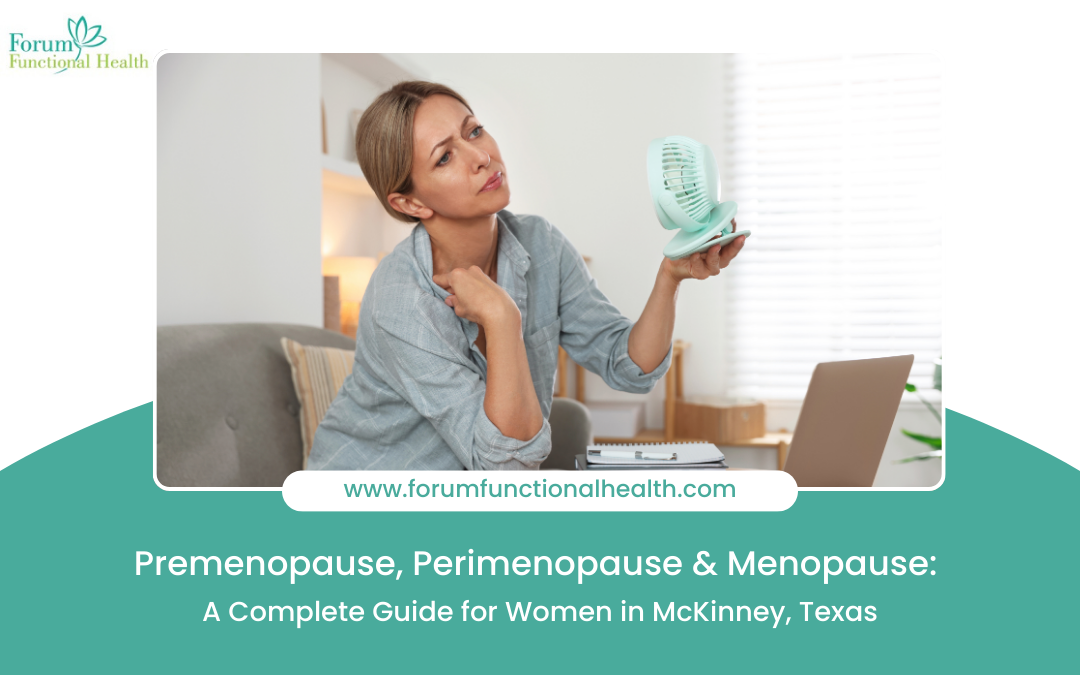
Hormonal transitions are a natural part of every woman’s life, but the process can be confusing, overwhelming, and emotionally draining. Many women begin noticing small changes in their energy, mood, or sleep long before they recognize the root cause. One of the earliest and most persistent symptoms is perimenopause fatigue, a deep exhaustion that doesn’t improve with rest.
Whether you’re in your late 30s, 40s, or early 50s, understanding how your hormones shift—from premenopause to perimenopause and menopause—helps you take control of your well-being. If you’re experiencing symptoms in McKinney, Texas, you deserve access to compassionate, science-based support. Personalized Menopause treatment can restore your energy, balance your hormones, and bring clarity back to your daily life.
Understanding the Three Stages of Hormonal Transition
The shift into menopause isn’t a sudden event—it’s a gradual hormonal evolution. Each stage is unique, and each offers opportunities for effective support.
🌼 1. Premenopause: The Early Phase
Premenopause is the time when your hormones still cycle regularly. You may not feel major symptoms yet, but subtle internal changes are beginning:
- Greater PMS sensitivity
- Mild mood shifts
- Changes in metabolism
- Early sleep disturbances
This is the best time to build healthy hormonal foundations.
🌙 2. Perimenopause: The Transition Phase
Perimenopause typically begins in the late 30s to early 40s and can last 4–10 years. Hormone levels rise and fall unpredictably, leading to fluctuating symptoms.
Common Perimenopause Symptoms:
- Deep, persistent perimenopause fatigue
- Irregular or heavy periods
- Hot flashes and night sweats
- Sudden mood changes
- Anxiety or low mood
- Restless sleep
- Brain fog
- Weight gain
- Low libido
- Joint aches
- Increased stress sensitivity
For many women, this is the most challenging stage—but also the stage where treatment brings the most dramatic relief.
🌺 3. Menopause: The Completion Phase
Menopause begins after 12 months without a menstrual period. Estrogen and progesterone levels stabilize at a lower level, often intensifying some symptoms.
Common Menopause Symptoms:
- Vaginal dryness
- Reduced sexual function
- Slowed metabolism
- Bone density loss
- Memory issues
- Mood changes
- Sleep disruption
- Hair thinning
Effective Menopause treatment can protect long-term health, improve energy, and support emotional balance.
The Real Reasons Behind Perimenopause Fatigue
Fatigue during perimenopause is not simply “normal aging.” It is a biological response to hormonal imbalance.
Why Fatigue Hits So Hard:
- Estrogen Ups & Downs
Estrogen influences serotonin, temperature regulation, and energy. Sudden drops trigger:
- Energy crashes
- Sleep disturbances
- Brain fog
- Irritability
- Low Progesterone
Progesterone supports calmness and sleep. When it declines:
- You wake up during the night
- Anxiety increases
- You struggle to feel rested
- Adrenal Overload
Cortisol levels fluctuate under stress and hormonal strain. The result?
- Feeling tired but wired
- Afternoon crashes
- Poor stress tolerance
- Thyroid Slowdown
Hormonal changes can mimic or trigger thyroid imbalances, causing:
- Low energy
- Weight gain
- Cold intolerance
- Dry skin
- Nutrient Deficiencies
Women often become deficient in:
- Vitamin D
- Iron
- Magnesium
- B12
All of which directly affect energy, sleep, and mood.
- Night Sweats & Insomnia
Interrupted sleep prevents the brain from entering deep restorative stages, creating chronic exhaustion.
How Hormonal Changes Affect Your Whole Body
Hormones influence nearly every system, including:
- Brain & cognition
- Mood & emotional stability
- Heart & cardiovascular health
- Bone density
- Weight & metabolism
- Gut health
- Skin & hair quality
- Libido
- Sleep cycles
This is why a comprehensive approach works better than symptom-only solutions.
Menopause Treatment Options in McKinney, Texas
At Forum Functional Health in McKinney, we believe every woman deserves a personalized, root-cause-focused plan for hormonal wellness.
-
Advanced Hormone Testing
We assess:
- Estrogen, progesterone, testosterone
- Thyroid levels
- Cortisol & adrenal function
- Nutrient levels
- Inflammatory markers
- Metabolic health
This is the foundation for customized care.
-
Bioidentical Hormone Replacement Therapy (BHRT)
BHRT uses plant-derived hormones that match your body’s natural hormones. Benefits may include:
- More energy
- Reduced hot flashes
- Improved sleep
- Better mood balance
- Enhanced mental clarity
- Stabilized weight
- Increased libido
-
Adrenal & Thyroid Support
We address hidden imbalances that cause exhaustion, irritability, and slow metabolism.
-
Functional Nutrition & Gut Healing
The gut and hormones are strongly connected. We help balance:
- Blood sugar
- Digestion
- Nutrient absorption
- Inflammation
-
Targeted Supplements
Including:
- Omega-3s
- Magnesium
- B vitamins
- Vitamin D
- Adaptogens
- Sleep support
-
Sleep Restoration Programs
We rebuild your circadian rhythm for deep, restorative rest.
-
Lifestyle Strategies That Fit Your Life
We provide practical and sustainable approaches that support hormone health and energy balance.
Why Women in McKinney Trust Forum Functional Health
Women choose us because we:
- Listen without judgment
- Evaluate the whole person—not just symptoms
- Offer personalized, root-cause-driven care
- Combine scientific testing with natural solutions
- Support women physically, mentally, and emotionally
- Create customized wellness plans that evolve with your needs
You deserve to feel vibrant and confident at every stage of life.
Frequently Asked Questions (FAQ)
- What is perimenopause fatigue?
Perimenopause fatigue is a deep, persistent exhaustion caused by fluctuating hormones—especially estrogen and progesterone. It affects energy levels, sleep quality, mood, and mental clarity. Even with adequate rest, women often feel tired, drained, or foggy during this stage.
- How long does perimenopause last?
Perimenopause typically lasts 4 to 10 years, depending on your genetics, lifestyle, stress levels, and overall health. Symptoms may fluctuate throughout this time.
- When should I seek help for perimenopause or menopause symptoms?
Seek help if symptoms interfere with daily life, such as:
- Severe fatigue
- Mood instability
- Unpredictable cycles
- Weight gain
- Sleep disturbances
- Night sweats
- Brain fog
If your symptoms affect your quality of life, it’s time to consult a specialist.
- What is the best menopause treatment for women in McKinney?
The best Menopause treatment varies by individual but often includes:
- Bioidentical hormone replacement therapy (BHRT)
- Thyroid and adrenal support
- Functional hormone testing
- Nutritional optimization
- Sleep support
- Personalized supplementation
A personalized plan offers the most effective results.
- Can hormone imbalance cause anxiety or mood swings?
Yes. Fluctuating estrogen and progesterone levels affect neurotransmitters like serotonin and dopamine, leading to:
- Anxiety
- Irritability
- Low mood
- Emotional sensitivity
Balancing hormones often improves mood significantly.
- Will bioidentical hormone therapy help with fatigue?
Yes. BHRT restores declining hormones, helping improve sleep, energy, mood, and metabolism. Many women notice a reduction in perimenopause fatigue within weeks.
- Is menopause the same for every woman?
No. Every woman experiences menopause differently. Genetics, lifestyle, stress, diet, sleep patterns, and health conditions all influence your journey. Personalized care creates better outcomes.
- Can menopause affect my weight?
Yes. Declining estrogen affects metabolism, insulin function, and fat storage—especially around the abdomen. A targeted treatment plan supports healthy weight management during menopause.
- What age does menopause usually start?
In the USA, menopause typically occurs between 45 and 55, with an average age of 51. However, symptoms can begin in the late 30s or early 40s during perimenopause.
- Is it possible to feel normal again?
Absolutely. With proper hormonal evaluation and personalized treatment, most women experience:
- Better sleep
- Improved energy
- Balanced mood
- Reduced hot flashes
- Increased clarity
- Healthy libido
- Improved weight stability
You can feel vibrant and empowered again.
Contact Forum Functional Health