
Perimenopause Symptoms: 8 Early Signs Every Woman Should Know
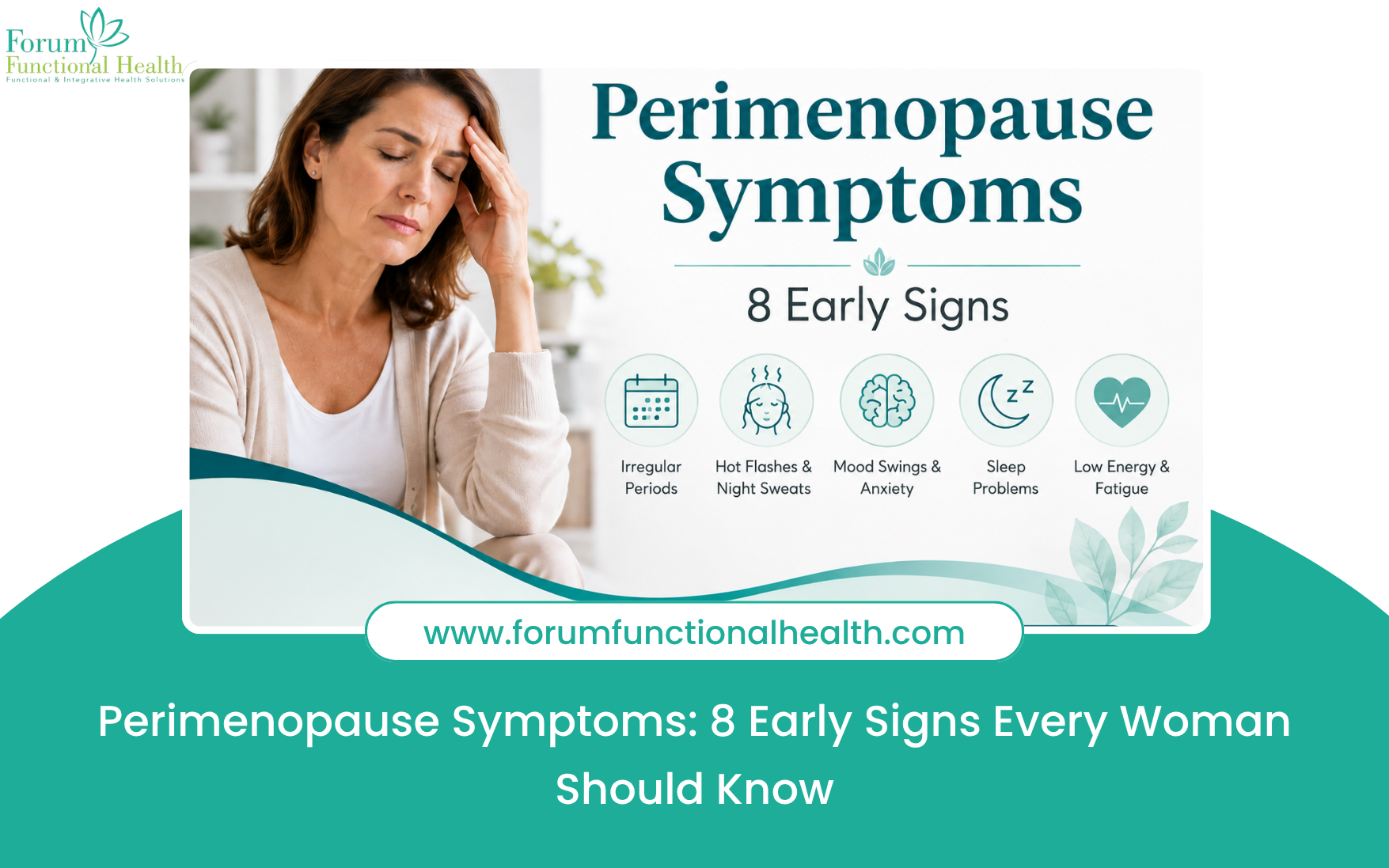
Perimenopause symptoms are the early physical and emotional changes that occur as a woman’s hormone levels begin to fluctuate before menopause. Common signs include irregular periods, hot flashes, mood swings, sleep problems, weight gain, brain fog, fatigue, and low libido. Perimenopause typically begins in the 40s but can start earlier and often lasts between 3 and 10 years.
Hormonal changes can begin long before menopause officially starts. Many women notice subtle symptoms in their late 30s or early 40s but often dismiss them as stress, aging, or a busy lifestyle. In reality, these changes may be the earliest perimenopause symptoms, signaling that the body is entering the natural menopause transition.
Perimenopause is a normal stage of life, but that doesn’t mean you have to struggle through uncomfortable symptoms alone. From irregular periods and hot flashes to brain fog, sleep problems, mood swings, and unexpected weight gain, fluctuating hormones can affect nearly every aspect of your physical and emotional well-being.
At Forum Functional Health, we believe every woman deserves answers—not just symptom management. Our personalized Functional Medicine approach focuses on identifying the root causes of hormonal imbalance through comprehensive testing, nutrition, gut health evaluation, adrenal support, lifestyle changes, and individualized care plans.
Whether you’re experiencing perimenopause symptoms in your 40s, comparing premenopause vs perimenopause, or searching for natural menopause treatment options in McKinney, TX, this guide will help you better understand what your body is telling you and when it’s time to seek professional support.
Ready to understand what’s really causing your symptoms? Learn how personalized Functional Medicine can help uncover the root cause of hormone imbalance instead of simply masking symptoms.
What Is Perimenopause?
Perimenopause is the transitional stage leading up to menopause when the ovaries gradually produce less estrogen and progesterone. These hormonal shifts can begin years before your final menstrual period, causing noticeable changes in your menstrual cycle, mood, metabolism, sleep, and overall health.
Unlike menopause—which is officially diagnosed after you’ve gone 12 consecutive months without a menstrual period—perimenopause is a gradual process. Hormone levels often fluctuate dramatically from month to month, making symptoms unpredictable.
Why Does Perimenopause Happen?
As women age, the number and quality of ovarian follicles naturally decline. This causes estrogen and progesterone production to become inconsistent.
Instead of decreasing steadily, hormone levels rise and fall unpredictably, leading to many of the classic signs of perimenopause, including:
- Irregular menstrual cycles
- Hot flashes
- Night sweats
- Mood changes
- Brain fog
- Sleep disturbances
- Weight gain
- Vaginal dryness
- Low libido
These hormonal fluctuations can also affect thyroid function, adrenal health, insulin sensitivity, and gut health, which is why symptoms often extend beyond reproductive health.
Hormonal Changes During Perimenopause
Several hormones play an important role during the menopause transition.
Estrogen Decline
Estrogen influences more than reproductive health. It supports:
- Brain function
- Bone strength
- Heart health
- Skin elasticity
- Vaginal tissue health
- Cholesterol balance
As estrogen fluctuates, women may experience hot flashes, mood swings, headaches, irregular periods, and vaginal dryness.
Progesterone Imbalance
Progesterone often declines earlier than estrogen because ovulation becomes less frequent.
Lower progesterone may contribute to:
- Anxiety
- Sleep problems
- Heavy periods
- Breast tenderness
- Irritability
Cortisol and Adrenal Health
Chronic stress places additional demands on the adrenal glands.
Poor adrenal function may worsen:
- Fatigue
- Brain fog
- Poor sleep
- Sugar cravings
- Hormone imbalance in perimenopause
Gut Health and Hormones
The digestive system plays a significant role in hormone metabolism.
Poor gut health may interfere with:
- Estrogen detoxification
- Nutrient absorption
- Immune function
- Inflammation control
Supporting gut health is an important part of restoring women’s hormone health naturally.
What Is the Average Perimenopause Age?
Although every woman is different, most women begin experiencing early signs of perimenopause between ages 40 and 44.
However, hormonal changes can begin earlier.
Typical timeline:
| Stage | Average Age |
|---|---|
| Premenopause | 20s–Late 30s |
| Early Perimenopause | 35–44 |
| Late Perimenopause | 45–51 |
| Menopause | Around age 51 |
Women experiencing symptoms before age 40 should discuss them with a qualified healthcare provider to rule out other medical conditions.
How Long Does Perimenopause Last?
Many women ask, “How long does perimenopause last?”
The answer varies.
For most women, perimenopause lasts between 3 and 10 years, although some experience a shorter or longer transition depending on genetics, lifestyle, stress levels, and overall health.
Factors influencing duration include:
- Family history
- Smoking
- Chronic stress
- Sleep quality
- Body weight
- Medical conditions
- Thyroid health
- Nutrition
Because every hormonal journey is unique, personalized evaluation is essential.
Don’t ignore persistent symptoms. If hormonal changes are affecting your quality of life, explore personalized Menopause Treatment designed to address the root causes of hormone imbalance.
Premenopause vs Perimenopause vs Menopause
Understanding the differences between these stages can help you recognize what your body is experiencing and seek the right support at the right time.
| Feature | Premenopause | Perimenopause | Menopause |
|---|---|---|---|
| Typical Age | 20s–Late 30s | Late 30s–Early 50s | Around 51 |
| Hormone Levels | Stable | Fluctuating estrogen and progesterone | Consistently low estrogen |
| Menstrual Cycle | Regular | Irregular, lighter, heavier, or skipped periods | No periods for 12 consecutive months |
| Fertility | High | Declining but pregnancy is still possible | Natural fertility ends |
| Common Symptoms | Few hormonal symptoms | Hot flashes, mood swings, irregular periods, sleep problems, brain fog | Continued hot flashes, vaginal dryness, bone loss risk |
When comparing premenopause vs perimenopause, the biggest difference is hormonal variability. Premenopause is marked by relatively stable reproductive hormones, while perimenopause involves unpredictable fluctuations that can affect nearly every system in the body.
8 Early Perimenopause Symptoms Every Woman Should Know
1. Irregular Periods
One of the earliest and most noticeable perimenopause symptoms is a change in your menstrual cycle.
Your periods may become:
- Shorter or longer
- Heavier or lighter
- Closer together
- Farther apart
- Completely skipped for one or more months
Why Does It Happen?
As ovulation becomes inconsistent, progesterone production decreases. Without regular ovulation, estrogen and progesterone no longer work together in predictable patterns, leading to irregular bleeding.
Hormones Involved
- Estrogen
- Progesterone
- Follicle-stimulating hormone (FSH)
When Should You Seek Professional Care?
Schedule an evaluation if you experience:
- Bleeding between periods
- Very heavy bleeding
- Periods lasting longer than seven days
- Bleeding after sexual intercourse
- Sudden major changes in your cycle
While irregular periods are common during perimenopause, they should never be automatically dismissed without appropriate evaluation.
Discover the root cause of irregular periods. Schedule a consultation with the Personalized care Health Center to receive individualized hormone assessment and guidance.
2. Hot Flashes & Night Sweats
Hot flashes are among the most recognized menopause symptoms, but they often begin during perimenopause.
A hot flash is a sudden feeling of intense warmth that spreads through the face, neck, and chest. It may be accompanied by:
- Sweating
- Red skin
- Rapid heartbeat
- Chills afterward
Night sweats are hot flashes that occur during sleep and can significantly disrupt rest.
Why Does It Happen?
Fluctuating estrogen affects the hypothalamus, the part of the brain responsible for regulating body temperature. Even a small change in hormone levels can trigger the body’s cooling response, causing sudden heat and sweating.
Hormones Involved
- Estrogen
- Progesterone
- Cortisol
When to Seek Professional Care
Talk with a healthcare practitioner if:
- Hot flashes interfere with work or daily activities.
- Night sweats repeatedly wake you up.
- Symptoms affect your mood or overall quality of life.
A comprehensive hormone evaluation can help determine whether hormonal fluctuations or other health factors are contributing to your symptoms.
3. Mood Swings & Anxiety
Emotional changes are another common sign of hormone imbalance in perimenopause. You may notice:
- Irritability
- Anxiety
- Increased emotional sensitivity
- Difficulty managing stress
- Feeling overwhelmed more easily
Why Does It Happen?
Estrogen influences neurotransmitters such as serotonin and dopamine, which help regulate mood. As estrogen and progesterone fluctuate, these brain chemicals can also shift, contributing to emotional ups and downs.
Hormones Involved
- Estrogen
- Progesterone
- Cortisol
When to Seek Professional Care
If mood changes become persistent, interfere with relationships, or affect work performance, seek evaluation. A healthcare provider can help determine whether hormonal changes, thyroid issues, nutritional deficiencies, or another condition may be involved.
4. Sleep Problems
Difficulty sleeping is one of the most frustrating perimenopause symptoms in your 40s. Some women struggle to fall asleep, while others wake frequently during the night.
Common sleep issues include:
- Trouble falling asleep
- Waking too early
- Night sweats
- Restless sleep
- Feeling unrefreshed in the morning
Why Does It Happen?
Declining progesterone can reduce the body’s natural calming effect, while fluctuating estrogen may contribute to night sweats that interrupt sleep. Stress and elevated cortisol can make these problems even worse.
Hormones Involved
- Progesterone
- Estrogen
- Cortisol
- Melatonin
When to Seek Professional Care
Consider a professional evaluation if poor sleep continues for several weeks, leads to daytime fatigue, or significantly impacts your daily life. Identifying the underlying cause is the first step toward improving sleep quality and overall hormone health.
Looking for a personalized approach to better sleep and hormone balance? Learn how Functional Medicine combines comprehensive testing, nutrition, and lifestyle strategies to support long-term wellness.
5. Weight Gain Around the Abdomen
Many women notice that maintaining a healthy weight becomes more challenging during perimenopause, even if their diet and exercise habits haven’t changed. One of the most common perimenopause symptoms is increased fat storage around the abdomen.
Why Does It Happen?
Several factors contribute to perimenopause weight gain, including:
- Declining estrogen levels
- Reduced muscle mass with age
- Slower metabolism
- Increased insulin resistance
- Elevated cortisol from chronic stress
- Poor sleep quality
Lower estrogen encourages the body to store more fat around the midsection, while muscle loss reduces the number of calories your body burns at rest.
Hormones Involved
- Estrogen
- Insulin
- Cortisol
- Thyroid hormones
When to Seek Professional Care
If you’re experiencing unexplained weight gain despite healthy habits, consult a qualified healthcare practitioner. Comprehensive testing can help identify whether hormone fluctuations, thyroid dysfunction, insulin resistance, or other factors are contributing to the changes.
Restore Hormonal Balance Naturally
If weight gain is affecting your confidence and health, explore personalized Menopause Treatment designed to identify and address the underlying causes.
6. Brain Fog & Memory Problems
Many women describe brain fog as feeling mentally “slower” than usual. It can affect concentration, memory, and productivity.
Common experiences include:
- Forgetting appointments
- Difficulty finding words
- Trouble focusing
- Reduced mental clarity
- Feeling mentally exhausted
Why Does It Happen?
Estrogen plays an important role in supporting communication between brain cells. As estrogen levels fluctuate, cognitive function may temporarily decline.
Stress, sleep deprivation, inflammation, and nutritional deficiencies can make brain fog worse.
Hormones Involved
- Estrogen
- Cortisol
- Thyroid hormones
When to Seek Professional Care
Occasional forgetfulness is common, but persistent cognitive changes should be evaluated to rule out thyroid disorders, vitamin deficiencies, sleep disorders, or other medical conditions.
7. Low Libido & Vaginal Dryness
Changes in sexual health are often overlooked, yet they are among the most common early signs of perimenopause.
Women may experience:
- Reduced interest in intimacy
- Vaginal dryness
- Pain during intercourse
- Reduced natural lubrication
- Increased urinary discomfort
Why Does It Happen?
Declining estrogen affects vaginal tissues, reducing elasticity and moisture. Hormonal fluctuations may also influence blood flow, nerve sensitivity, and emotional well-being.
Stress, fatigue, and poor sleep can further decrease sexual desire.
Hormones Involved
- Estrogen
- Testosterone
- Progesterone
When to Seek Professional Care
Don’t assume these symptoms are simply “part of getting older.” If they affect your relationships or quality of life, professional evaluation can help identify safe and personalized treatment options.
8. Fatigue & Low Energy
Persistent fatigue is another frequently reported sign of perimenopause.
Unlike ordinary tiredness, hormonal fatigue often doesn’t improve after a full night’s sleep.
Why Does It Happen?
Several factors may contribute:
- Fluctuating estrogen
- Low progesterone
- Interrupted sleep
- Adrenal stress
- Nutrient deficiencies
- Thyroid dysfunction
- Chronic inflammation
Hormones Involved
- Estrogen
- Progesterone
- Cortisol
- Thyroid hormones
When to Seek Professional Care
Seek medical evaluation if fatigue:
- Persists for several weeks
- Interferes with work or daily life
- Occurs with dizziness, weight changes, or depression
- Doesn’t improve with rest
A comprehensive assessment can help determine whether hormone imbalance or another underlying condition is responsible.
Schedule Your Hormone Consultation
Persistent fatigue shouldn’t be ignored. The team at Personalized care Health Center offers individualized evaluations to help identify the root cause of your symptoms.
What Causes Hormone Imbalance During Perimenopause?
Although declining reproductive hormones are the primary driver of perimenopause, several other factors can influence symptom severity.
Declining Estrogen
Estrogen affects nearly every organ system, including the brain, bones, heart, skin, metabolism, and reproductive organs.
As estrogen becomes unpredictable, women may experience:
- Hot flashes
- Night sweats
- Mood swings
- Brain fog
- Irregular periods
- Vaginal dryness
Low Progesterone
Ovulation becomes less frequent during perimenopause, resulting in lower progesterone production.
Low progesterone may contribute to:
- Anxiety
- Sleep disturbances
- Heavy menstrual bleeding
- Breast tenderness
Adrenal Stress
The adrenal glands help regulate cortisol, your body’s primary stress hormone.
Long-term stress may worsen:
- Fatigue
- Sleep problems
- Mood swings
- Hormone imbalance in perimenopause
Thyroid Disorders
Symptoms of thyroid dysfunction often overlap with perimenopause.
These include:
- Fatigue
- Weight gain
- Depression
- Hair thinning
- Dry skin
Proper evaluation helps ensure symptoms aren’t mistakenly attributed to hormonal aging alone.
Gut Health
A healthy digestive system supports estrogen metabolism.
Poor gut health may lead to:
- Increased inflammation
- Nutrient deficiencies
- Poor hormone detoxification
- Changes in the gut microbiome that affect hormone balance
Supporting gut health is an important component of women’s hormone health.
Chronic Inflammation
Persistent inflammation can interfere with hormone signaling and worsen symptoms such as fatigue, joint discomfort, and brain fog.
Healthy eating, regular physical activity, stress reduction, and adequate sleep all play a role in reducing inflammation.
Poor Sleep
Sleep and hormone health have a two-way relationship.
Poor sleep can increase cortisol, worsen insulin resistance, and make symptoms like hot flashes and mood changes more noticeable.
Lifestyle Factors
Everyday habits also influence hormonal balance.
Examples include:
- Highly processed foods
- Excess sugar
- Smoking
- Excess alcohol
- Sedentary lifestyle
- Chronic stress
- Excess caffeine
- Nutrient deficiencies
Improving these lifestyle factors can often help reduce symptom severity.
Discover the Root Cause of Your Symptoms
Personalized evaluation through Functional Medicine looks beyond hormone levels to assess nutrition, gut health, inflammation, stress, and metabolic function.
How Long Does Perimenopause Last?
One of the most common questions women ask is, “How long does perimenopause last?”
For most women, the menopause transition lasts between 3 and 10 years, although some experience shorter or longer timelines.
Typical Timeline
| Stage | Average Age |
|---|---|
| Early Perimenopause | Late 30s–Early 40s |
| Late Perimenopause | Mid to Late 40s |
| Menopause | Around Age 51 |
Factors That Affect Duration
- Genetics
- Smoking status
- Overall health
- Stress levels
- Sleep quality
- Body weight
- Chronic medical conditions
- Lifestyle habits
Every woman’s experience is unique, which is why individualized care is so valuable.
Functional Medicine Approach to Menopause Treatment
Unlike conventional approaches that often focus only on symptom relief, Functional Medicine seeks to identify and address the underlying causes contributing to hormone imbalance.
At Forum Functional Health, care is personalized to each woman’s health history, symptoms, and goals.
A comprehensive Functional Medicine evaluation may include:
- Detailed health history
- Comprehensive hormone testing
- Thyroid assessment
- Nutritional evaluation
- Gastrointestinal health assessment
- Adrenal function review
- Lifestyle analysis
- Personalized wellness recommendations
Root-Cause Care May Include
- Nutrition optimization
- Gut health support
- Stress management
- Sleep improvement
- Exercise recommendations
- Detoxification support
- Targeted nutritional supplementation when appropriate
Explore additional Functional Health Services to learn how individualized care can support long-term wellness.
Book Your Functional Medicine Evaluation
Early intervention can help you better understand your hormonal changes and create a personalized plan that fits your needs.
Healthy Lifestyle Tips to Support Hormone Balance
Healthy daily habits can play an important role in supporting the body during the menopause transition.
Prioritize Balanced Nutrition
Aim to include:
- Lean protein
- Colorful vegetables
- Whole grains
- Healthy fats
- High-fiber foods
Protein-rich meals help preserve muscle mass, while fiber supports digestive health and healthy estrogen metabolism.
Include Healthy Fats
Healthy fats from foods such as:
- Avocados
- Olive oil
- Nuts
- Seeds
- Fatty fish
may support hormone production and heart health.
Stay Physically Active
Regular movement helps:
- Support metabolism
- Improve mood
- Strengthen bones
- Reduce stress
- Improve insulin sensitivity
Include both aerobic activity and strength training throughout the week.
Improve Sleep Hygiene
Healthy sleep habits include:
- Maintaining a consistent bedtime
- Limiting screen time before bed
- Keeping the bedroom cool and dark
- Avoiding heavy meals before bedtime
Manage Stress
Helpful stress-management techniques include:
- Meditation
- Deep breathing
- Yoga
- Walking outdoors
- Journaling
- Mindfulness practices
Reducing stress may help support adrenal health and overall hormone balance.
Limit Alcohol and Excess Caffeine
Alcohol and high caffeine intake may worsen:
- Hot flashes
- Sleep disturbances
- Anxiety
- Mood swings
Moderation can help improve overall well-being.
Supplements That May Support Menopause
Some women benefit from targeted nutritional supplements as part of a personalized wellness plan. However, supplements should only be used under the guidance of a qualified healthcare practitioner and are not intended to diagnose, treat, cure, or prevent disease.
Depending on your individual needs, your practitioner may recommend products available through Forum Functional Health, including:
- Perimenopause Supplements to support overall hormonal wellness during the menopause transition.
- Supplements For Estrogen such as CDG EstroDIM®, formulated to support healthy estrogen metabolism and overall women’s health.
- Natural Supplements For Hot Flashes such as Femarin®, a botanical formula designed to support comfort during menopause and help reduce occasional hot flashes and night sweats.
- Libido-Boosting Supplements For Females including LibidoStim-F™, which supports healthy female libido, adrenal function, urinary health, and vaginal wellness.
- Best Magnesium Supplement For Women featuring Magnesium Glycinate Complex, a highly bioavailable form of magnesium that supports relaxation, sleep quality, nervous system function, and muscle health.
- Rhubestryn, a specialized botanical formula created to provide comprehensive nutritional support throughout menopause.
Additional practitioner-recommended Supplements may also be incorporated into your personalized care plan based on your evaluation results.
Functional Medicine vs Conventional Menopause Care
| Feature | Functional Medicine | Conventional Care |
|---|---|---|
| Testing | Comprehensive hormone, thyroid, gut, nutrition, and lifestyle evaluation | Often symptom-focused with limited testing |
| Personalization | Highly individualized treatment plans | Standardized treatment recommendations |
| Root Cause | Identifies underlying contributors to symptoms | Primarily manages symptoms |
| Lifestyle | Strong emphasis on nutrition, exercise, stress, and sleep | Lifestyle advice may be limited |
| Nutrition | Personalized nutritional guidance | General dietary recommendations |
| Long-Term Wellness | Focus on sustainable health and prevention | Often centered on short-term symptom control |
Real-Life Patient Example
Sarah, a 44-year-old professional from the Dallas area, began noticing irregular periods, poor sleep, increased anxiety, abdominal weight gain, and frequent brain fog. She initially believed stress from work was the cause, but her symptoms gradually became more disruptive.
After scheduling an evaluation at Forum Functional Health, Sarah underwent a comprehensive review that included hormone testing, nutritional assessment, lifestyle evaluation, and discussions about stress, sleep, and digestive health.
Her personalized care plan included dietary improvements, increased protein intake, strength training, stress-management techniques, sleep-support strategies, and practitioner-guided nutritional supplementation.
Over the following months, Sarah reported more consistent energy, improved sleep quality, fewer hot flashes, better concentration, and a renewed sense of confidence in managing her health. While every woman’s experience is unique and results vary, her story highlights how an individualized, root-cause approach can support overall well-being during the menopause transition.
FAQ
What are the first signs of perimenopause?
The earliest signs of perimenopause often include irregular periods, mood swings, hot flashes, sleep disturbances, fatigue, brain fog, and changes in menstrual flow. Symptoms vary from woman to woman and may begin years before menopause.
At what age does perimenopause usually begin?
Most women begin perimenopause between ages 40 and 44, although some notice hormonal changes in their late 30s. Genetics, lifestyle, and overall health can influence when symptoms begin.
How long does perimenopause last?
Perimenopause typically lasts between three and ten years. The exact duration varies depending on genetics, lifestyle factors, hormone levels, and overall health.
Can you still get pregnant during perimenopause?
Yes. Although fertility declines during perimenopause, ovulation can still occur. Pregnancy remains possible until menopause has been reached, defined as 12 consecutive months without a menstrual period.
Why do periods become irregular during perimenopause?
As ovulation becomes less consistent, estrogen and progesterone fluctuate unpredictably. These hormonal changes affect the menstrual cycle, causing skipped, heavier, lighter, or more frequent periods.
What causes hot flashes during perimenopause?
Fluctuating estrogen levels affect the brain’s temperature-regulating center, triggering sudden sensations of heat, sweating, flushing, and sometimes chills after the episode ends.
Can Functional Medicine help with perimenopause symptoms?
Functional Medicine aims to identify factors that may contribute to hormonal imbalance, including nutrition, gut health, stress, sleep, thyroid function, and lifestyle. Treatment plans are personalized based on a comprehensive evaluation and individual health needs.
Are supplements safe for perimenopause?
Some supplements may support overall hormone health when recommended by a qualified healthcare practitioner. Supplements should not replace medical care and are not intended to diagnose, treat, cure, or prevent disease.
When should I see a healthcare provider for perimenopause symptoms?
You should seek professional evaluation if symptoms interfere with daily life, become severe, involve abnormal bleeding, or raise concerns about another underlying health condition.
Where can I find personalized menopause treatment in McKinney, Texas?
Forum Functional Health offers personalized Functional Medicine care for women experiencing premenopause, perimenopause, and menopause, with treatment plans tailored to each individual’s health history, symptoms, and wellness goals.
Why Choose Forum Functional Health?
Women throughout McKinney, Dallas, Frisco, Allen, Fort Worth, Houston, and across Texas trust Forum Functional Health because of its commitment to personalized, evidence-informed care.
Why Patients Choose Forum Functional Health
- Root-cause Functional Medicine approach
- Personalized treatment plans
- Comprehensive hormone testing
- Nutritional guidance
- Lifestyle coaching
- Gut and adrenal health evaluation
- Evidence-based recommendations
- Compassionate, patient-centered support
- Focus on long-term women’s hormone health—not just symptom management
Whether you’re seeking Perimenopause Symptoms in Texas, Menopause Treatment in McKinney, Hormone Imbalance Treatment in Texas, Functional Medicine in Dallas, Women’s Hormone Health in Frisco, Menopause Care in Allen, Perimenopause Support in Fort Worth, or Hormonal Health in Houston, Forum Functional Health provides individualized care tailored to your unique needs.
Ready to Take the Next Step?
If you’re experiencing persistent perimenopause symptoms, don’t wait for them to disrupt your daily life. Schedule a consultation to discover the root causes of your symptoms, explore personalized treatment options, and begin your journey toward better hormonal health with Forum Functional Health.
Conclusion
Hormonal changes during perimenopause can affect your energy, mood, sleep, metabolism, and overall quality of life—but you don’t have to navigate this transition alone.
At Forum Functional Health, we take a personalized Functional Medicine approach that goes beyond symptom management. By evaluating hormone balance, nutrition, gut health, adrenal function, lifestyle, and other contributing factors, we create individualized care plans designed to support your long-term wellness.
Whether you’re experiencing irregular periods, hot flashes, brain fog, weight gain, fatigue, or other perimenopause symptoms, our team is here to help you better understand your health and explore evidence-informed treatment options.
Ready to Take the Next Step?
- Schedule your personalized hormone consultation.
- Learn more about Menopause Treatment in McKinney, TX.
- Discover the root cause of your symptoms.
- Explore individualized Functional Medicine care.
- Take the first step toward supporting your hormone health with confidence.
Special Consultation Offer: $300 (Regular $500)
Contact Forum Functional Health