
Hormone Imbalance in Young Women: Why More Women in Their 20s and 30s Are Struggling With Their Hormones
Have you ever felt exhausted despite getting enough sleep, noticed stubborn weight gain that seems impossible to explain, or found yourself dealing with anxiety, irregular periods, mood swings, and brain fog all at once?
Many women in their 20s and 30s experience these symptoms and are often told that stress, aging, or a busy lifestyle is simply to blame. While those factors can certainly play a role, they don’t always explain the full picture. For many women, these symptoms may be connected to a deeper issue: hormone imbalance in young women.
What’s particularly frustrating is that hormone-related symptoms often develop gradually. Many women spend months or even years searching for answers while trying to manage careers, relationships, family responsibilities, and personal goals.
At Forum Functional Health in McKinney, we believe that understanding the root causes behind hormonal symptoms is the first step toward achieving long-term wellness. Rather than simply masking symptoms, functional medicine seeks to uncover why hormonal disruptions occur in the first place.

Why Is Hormone Imbalance in Young Women Becoming More Common?
Hormones act as the body’s communication system. They influence energy levels, metabolism, mood, reproductive health, sleep quality, and even digestion.
When hormones fall out of balance, multiple body systems can be affected.
Several modern lifestyle factors may contribute to the growing number of young women experiencing hormonal challenges:
1. Chronic Stress and Elevated Cortisol
Many women today are balancing demanding careers, family responsibilities, social obligations, and financial pressures.
When the body remains in a prolonged stress state, it continuously produces cortisol, commonly known as the stress hormone.
Over time, elevated cortisol can affect:
- Estrogen balance
- Progesterone production
- Thyroid function
- Sleep quality
- Blood sugar regulation
The relationship between cortisol and estrogen is especially important. Chronic stress may contribute to hormonal fluctuations that affect menstrual cycles, mood, and energy levels.
2. Poor Sleep Quality
Sleep is one of the body’s most important recovery mechanisms.
During sleep, the body regulates numerous hormones involved in:
- Appetite control
- Stress response
- Reproductive health
- Metabolism
- Cellular repair
Even if someone spends enough hours in bed, poor-quality sleep can negatively affect overall hormone health.
Women who consistently experience:
- Trouble falling asleep
- Frequent nighttime awakenings
- Morning fatigue
may notice worsening hormonal symptoms over time.
3. Blood Sugar Imbalances
Frequent consumption of processed foods, sugary snacks, and highly refined carbohydrates can create blood sugar fluctuations.
When blood sugar levels rise and crash repeatedly, insulin regulation becomes more challenging.
This can contribute to:
- Increased cravings
- Weight gain
- Fatigue
- Inflammation
- Hormonal disruption
Blood sugar health and hormone balance are closely connected.
4. Nutrient Deficiencies
Many women are unknowingly deficient in nutrients that support hormone production and detoxification.
Examples include:
- Magnesium
- Vitamin D
- Zinc
- Omega-3 fatty acids
- B vitamins
Without adequate nutritional support, the body’s ability to produce and regulate hormones may become compromised.
5. Gut Health Challenges
The digestive system plays a significant role in hormone regulation.
An unhealthy gut may affect:
- Nutrient absorption
- Inflammation levels
- Estrogen metabolism
- Immune function
Functional medicine often evaluates digestive health because hormone symptoms and gut dysfunction frequently occur together.
Signs of Hormonal Imbalance in Women in Their 20s and 30s
Short Answer:
Common signs of hormone imbalance in young women include fatigue, irregular periods, mood swings, weight gain, acne, low libido, brain fog, anxiety, and difficulty sleeping. Symptoms can vary depending on which hormones are affected.
Many women are surprised to learn that hormonal symptoms don’t always involve reproductive health alone.
Common warning signs include:
- Persistent fatigue
- Low energy women frequently experience despite rest
- Irregular menstrual cycles
- PMS symptoms
- Anxiety or mood changes
- Weight gain around the abdomen
- Hair thinning
- Adult acne
- Sugar cravings
- Reduced concentration
- Poor sleep quality
- Low libido
A Realistic Patient Scenario
Consider a 29-year-old professional living in McKinney who works full-time while managing a busy social life.
She starts noticing:
- Increased fatigue
- Difficulty losing weight
- Irregular cycles
- Increased anxiety
- Frequent headaches
Routine lab work may appear normal, leading her to believe everything is fine.
However, a deeper functional medicine evaluation might reveal:
- Elevated stress hormones
- Nutrient deficiencies
- Blood sugar imbalances
- Poor sleep patterns
- Early hormone dysregulation
This type of scenario is becoming increasingly common among women throughout McKinney, Frisco, Plano, Dallas, and surrounding North Texas communities.
How Stress, Gut Health, and Inflammation Affect Hormones
Hormones rarely function independently.
Instead, they operate within an interconnected system.
Stress and Hormones
When stress becomes chronic:
- Cortisol increases.
- Sleep quality declines.
- Blood sugar becomes unstable.
- Inflammation rises.
- Reproductive hormones may become disrupted.
Gut Health and Hormones
The gut microbiome helps process and eliminate excess hormones.
When gut health suffers, hormone metabolism may become less efficient.
Potential consequences include:
- Bloating
- Digestive discomfort
- Irregular cycles
- Increased PMS symptoms
- Fatigue
Inflammation and Hormone Function
Chronic inflammation can interfere with normal hormone signaling.
Common contributors include:
- Poor diet
- Chronic stress
- Sleep deprivation
- Environmental exposures
- Digestive dysfunction
Reducing inflammation often becomes an important part of restoring hormonal balance.
Can Functional Medicine Help Hormonal Imbalances?
Short Answer:
Functional medicine may help identify underlying contributors to hormone imbalance by evaluating lifestyle factors, nutrition, stress, sleep, gut health, inflammation, and advanced laboratory findings.
Traditional healthcare approaches often focus on symptom management.
While symptom relief is important, many women want to understand why their symptoms developed in the first place.
Functional medicine takes a root-cause approach by exploring factors such as:
- Stress levels
- Nutrition habits
- Sleep patterns
- Gut health
- Blood sugar regulation
- Inflammation markers
- Hormone pathways
This broader perspective helps create a more personalized wellness strategy.
Hormone Imbalance at 30: Why Symptoms Often Become More Noticeable
Many women first recognize hormonal changes around age 30.
Short Answer:
Hormone imbalance at 30 often becomes more noticeable because cumulative stress, lifestyle habits, sleep disruptions, nutritional deficiencies, and metabolic changes can begin affecting hormone regulation.
At this stage of life, women may be:
- Advancing professionally
- Starting families
- Managing increased responsibilities
- Experiencing higher stress levels
The body can become less resilient to ongoing stressors, making previously unnoticed imbalances more apparent.
What Causes Hormonal Imbalances?
Short Answer:
Hormonal imbalances can be caused by chronic stress, poor sleep, blood sugar instability, nutrient deficiencies, inflammation, gut health issues, thyroid dysfunction, and other underlying health factors.
The exact cause varies from person to person.
This is why personalized evaluation is so important.
Two women with similar symptoms may have completely different root causes.
A Functional Medicine Approach to Hormone Health

Rather than relying on a one-size-fits-all solution, functional medicine focuses on individual health patterns.
Step 1: Comprehensive Health Review
Providers assess:
- Symptoms
- Medical history
- Lifestyle habits
- Stress levels
- Nutrition patterns
Step 2: Advanced Evaluation
Testing may help identify:
- Hormonal patterns
- Nutritional deficiencies
- Blood sugar concerns
- Inflammatory markers
Step 3: Personalized Wellness Plan
Recommendations may include:
- Nutrition adjustments
- Sleep optimization
- Stress management strategies
- Physical activity guidance
- Targeted supplementation when appropriate
Step 4: Ongoing Monitoring
Hormonal health often improves through consistent lifestyle changes and personalized support.
Practical Ways to Support Hormone Health Naturally
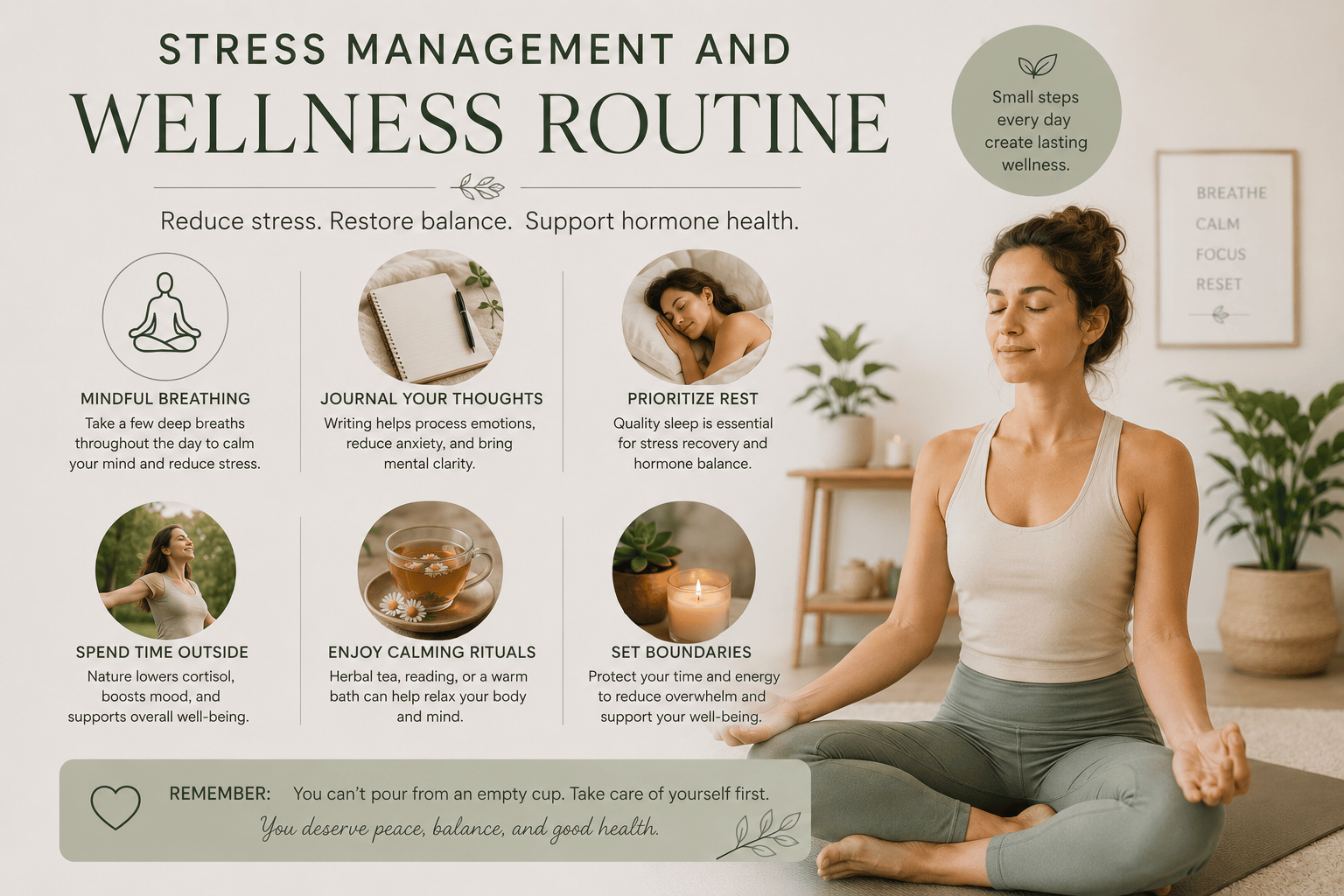
While every individual requires personalized guidance, several foundational habits support overall hormonal wellness.
Prioritize Sleep
Aim for:
- Consistent sleep schedules
- Reduced screen exposure before bed
- A dark sleeping environment
Manage Stress Daily
Helpful approaches include:
- Walking
- Yoga
- Meditation
- Deep breathing
- Time outdoors
Eat Balanced Meals
Focus on:
- Lean proteins
- Healthy fats
- Fiber-rich vegetables
- Whole-food carbohydrates
Support Blood Sugar Stability
Avoid frequent spikes by including protein and fiber with meals.
Stay Physically Active
Regular movement supports:
- Insulin sensitivity
- Mood regulation
- Stress reduction
- Healthy hormone function
When Should You Seek Treatment for Hormonal Symptoms?
Short Answer:
You should seek professional evaluation if hormonal symptoms persist for several months, interfere with daily life, worsen over time, or significantly affect energy, mood, menstrual health, or overall well-being.
If symptoms are affecting your quality of life, it may be time to investigate potential underlying causes rather than continuing to push through them.
Early evaluation can often provide valuable insight and help prevent symptoms from progressing.
FAQs
1. What are the first signs of hormone imbalance in young women?
Early signs often include fatigue, mood swings, irregular periods, acne, brain fog, sleep disturbances, and unexplained weight changes.
2. Can stress cause hormonal imbalance?
Yes. Chronic stress can increase cortisol production, which may influence estrogen, progesterone, thyroid function, and blood sugar regulation.
3. Why do I have hormone imbalance symptoms even though my lab tests are normal?
Standard testing may not always identify underlying lifestyle, nutritional, inflammatory, or metabolic contributors that functional medicine often evaluates.
4. Is hormone imbalance at 30 common?
Yes. Many women notice symptoms around age 30 as stress, lifestyle demands, and cumulative health factors begin affecting hormone regulation.
5. Can poor sleep affect hormone health?
Absolutely. Sleep influences cortisol, insulin, reproductive hormones, appetite regulation, and recovery processes throughout the body.
6. How does gut health affect hormones?
The gut helps process and eliminate hormones. Poor gut health may contribute to inflammation and disruptions in hormone metabolism.
7. Can functional medicine help identify the root cause of hormonal symptoms?
Functional medicine aims to investigate contributing factors such as stress, nutrition, inflammation, sleep quality, gut health, and hormone pathways.
8. When should I seek professional help for hormonal symptoms?
If symptoms persist for several months, worsen over time, or affect daily functioning, a professional evaluation may be beneficial.
Conclusion
Hormonal symptoms in your 20s and 30s are often more than just an inconvenient part of a busy lifestyle. Persistent fatigue, mood changes, irregular cycles, weight fluctuations, and brain fog can be signs that the body is struggling to maintain balance. Understanding the connections between stress, sleep, nutrition, gut health, inflammation, and hormone function provides a more complete picture of what may be contributing to these symptoms.
Rather than ignoring warning signs or assuming they are simply a normal part of adulthood, taking time to understand the underlying factors can be an important investment in long-term wellness. A personalized, root-cause approach may help uncover patterns that support better energy, improved resilience, and healthier hormone function for years to come.
Contact Forum Functional Health