
Depression Symptoms and Treatment: Early Signs, Causes, and Effective Recovery Options
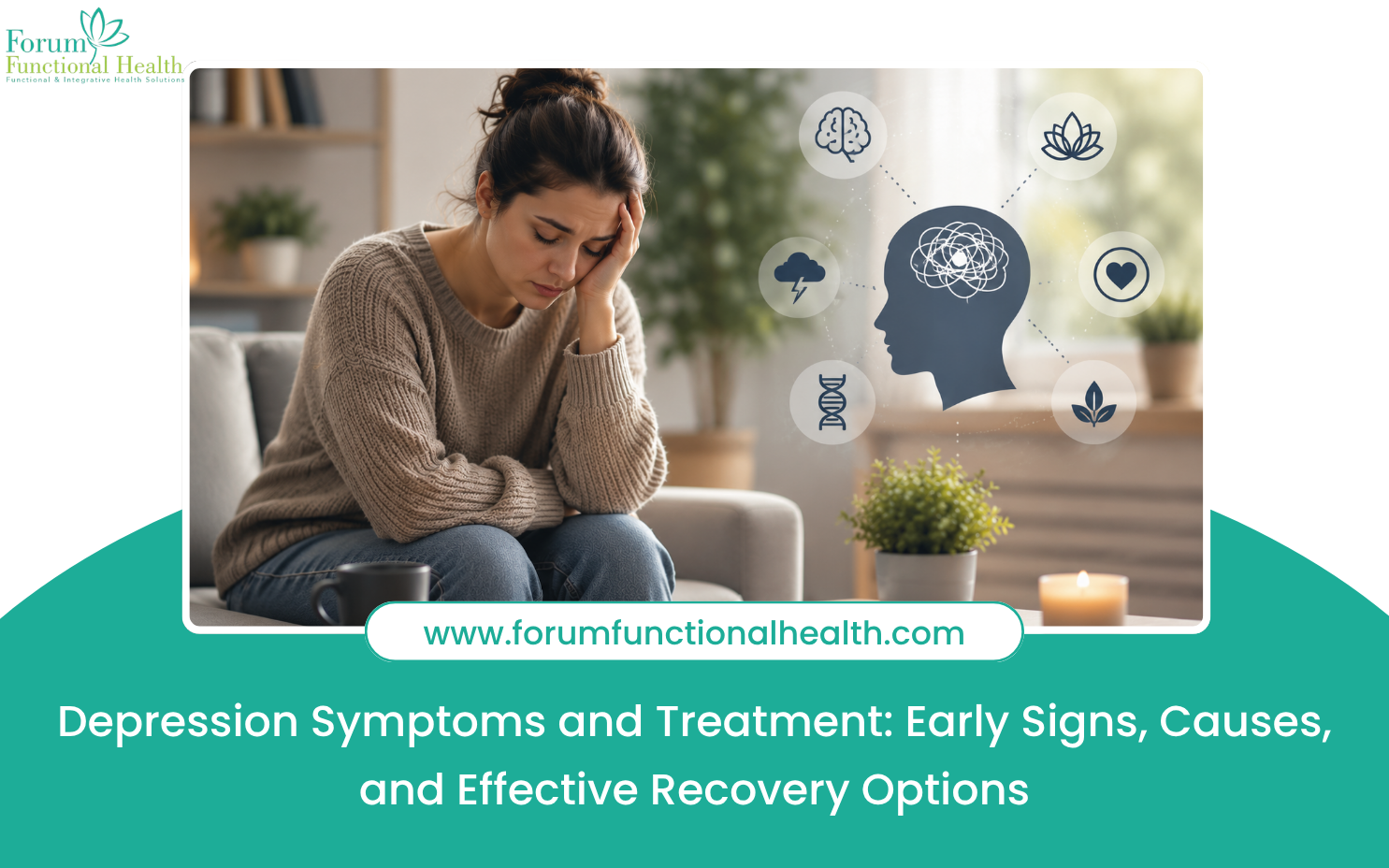
Depression symptoms and treatment involve recognizing emotional, physical, and behavioral changes while identifying the underlying causes that may contribute to the condition. Effective treatment often combines professional evaluation, lifestyle changes, counseling, nutritional support, and, when appropriate, a personalized functional medicine approach that addresses root causes rather than only managing symptoms.
Depression affects millions of people every year and is much more than simply feeling sad or having a difficult day. It is a complex medical condition that can influence how you think, feel, sleep, work, and interact with others. While traditional treatments can help many individuals manage symptoms, growing research suggests that underlying health conditions such as thyroid dysfunction, chronic inflammation, nutrient deficiencies, hormonal imbalances, gut health problems, and prolonged stress may also contribute to depression in some people.
Understanding these possible contributors is an important step toward finding a treatment plan that fits your unique needs.
At Forum Functional Health, the focus is on identifying why symptoms occur instead of simply masking them. Through advanced testing and personalized care, patients receive comprehensive evaluations designed to uncover potential root causes affecting their mental and physical well-being. Learn more about the Best Depression Treatment available through a functional medicine approach.
Whether you’re searching for Depression Treatment in Texas, exploring natural recovery options, or looking for answers for a loved one, this guide explains what you need to know about recognizing symptoms, understanding causes, and exploring evidence-informed treatment options.
Important: Depression is a medical condition that requires professional evaluation. Treatment varies from person to person depending on individual health history, symptoms, and contributing factors.
What Are Depression Symptoms?
Depression symptoms affect far more than mood. They can impact your energy, relationships, physical health, concentration, and daily activities.
Common depression symptoms and treatment discussions often focus on sadness alone, but depression presents differently for every person. Some individuals experience overwhelming fatigue, while others struggle primarily with anxiety, irritability, digestive problems, or chronic pain.
Symptoms may develop gradually over weeks or months, making them easy to overlook until they begin interfering with everyday life.
Common symptoms include:
- Persistent sadness
- Loss of interest in favorite activities
- Low motivation
- Fatigue
- Difficulty concentrating
- Sleep disturbances
- Appetite changes
- Feelings of hopelessness
- Increased anxiety
- Social withdrawal
- Unexplained physical aches
- Reduced productivity
Many of these symptoms overlap with thyroid disorders, nutritional deficiencies, hormone imbalance, and chronic inflammation, making a comprehensive evaluation especially important.
Schedule Your Consultation Today
If you’ve been struggling with ongoing symptoms and want to understand possible underlying causes, the team at forum functional health provides personalized evaluations designed to look beyond symptom management.
What Causes Depression?
Depression rarely has a single cause.
Instead, it often develops through a combination of biological, psychological, environmental, and lifestyle factors.
Potential contributing factors include:
Biological Factors
- Genetics
- Brain chemistry
- Hormonal imbalance
- Thyroid disorders
- Chronic inflammation
Lifestyle Factors
- Poor nutrition
- Lack of exercise
- Sleep deprivation
- High stress
- Alcohol or substance use
Medical Conditions
- Autoimmune diseases
- Diabetes
- Chronic infections
- Vitamin deficiencies
- Digestive disorders
Environmental Factors
- Trauma
- Loss of a loved one
- Financial stress
- Relationship challenges
- Workplace burnout
Functional medicine practitioners recognize that several of these factors may occur simultaneously, requiring a personalized approach rather than a one-size-fits-all treatment plan.
Common Early Warning Signs of Depression
Recognizing depression early may help individuals seek professional support sooner.
Watch for changes such as:
- Feeling emotionally numb
- Losing motivation
- Difficulty making decisions
- Increased irritability
- Sleeping too much or too little
- Loss of enjoyment
- Persistent fatigue
- Forgetfulness
- Feeling overwhelmed by routine tasks
- Avoiding family or friends
Some people first notice physical symptoms before emotional ones.
If symptoms continue for more than two weeks or begin interfering with work, school, or relationships, it is important to seek a professional evaluation.
Talk to Our Functional Medicine Team
Every person’s experience with depression is different. A personalized assessment can help identify factors that may be contributing to your symptoms and guide an individualized care plan.
Explore the Best Depression Treatment offered through a holistic, root-cause approach.
Physical Symptoms of Depression
Many people are surprised to learn that depression can affect nearly every system in the body.
Physical symptoms may include:
- Constant tiredness
- Frequent headaches
- Muscle pain
- Neck pain
- Digestive discomfort
- Weight gain
- Weight loss
- Reduced immune function
- Low libido
- Brain fog
- Increased sensitivity to pain
Because these symptoms overlap with several medical conditions, healthcare providers often recommend comprehensive evaluations before assuming depression is the only cause.
For individuals seeking mental health treatment in Texas, identifying these overlapping health concerns can support a more complete treatment strategy.
Emotional Symptoms of Depression
Emotional symptoms often vary in intensity.
Common experiences include:
- Persistent sadness
- Hopelessness
- Guilt
- Low self-esteem
- Anxiety
- Irritability
- Feeling disconnected
- Emotional numbness
- Difficulty experiencing happiness
- Increased sensitivity to criticism
Some individuals experience both anxiety and depression simultaneously, making anxiety and depression treatment an important part of their overall care plan.
Professional evaluation helps determine whether symptoms are related to depression, anxiety, another medical condition, or a combination of factors.
Can Depression Be Caused by Thyroid Problems?
Yes, thyroid dysfunction can contribute to symptoms commonly associated with depression.
The thyroid gland produces hormones that regulate metabolism, brain function, mood, body temperature, and energy production.
When thyroid hormones become imbalanced, individuals may experience symptoms that closely resemble depression.
These can include:
- Fatigue
- Brain fog
- Weight changes
- Low motivation
- Memory problems
- Mood changes
- Difficulty concentrating
This is one reason why functional medicine practitioners often evaluate thyroid health when investigating persistent depression symptoms.
Understanding Thyroid Hormones
The thyroid produces two primary hormones:
- T4 (Thyroxine)
- T3 (Triiodothyronine)
These hormones help regulate:
- Energy production
- Brain function
- Metabolism
- Mood regulation
- Heart rate
- Body temperature
If hormone levels are too low or are not being properly converted into their active form, symptoms may resemble clinical depression.
Complete Thyroid Panel vs. TSH Alone
Many routine screenings measure only Thyroid-Stimulating Hormone (TSH).
While TSH provides useful information, it does not always present the complete picture.
A comprehensive thyroid evaluation may include:
- TSH
- Free T3
- Free T4
- Reverse T3
- Thyroid antibodies
This broader assessment can help healthcare providers better understand thyroid function and identify issues that may not appear through TSH testing alone.
At Forum Functional Health, comprehensive testing is used when clinically appropriate to help evaluate possible contributors to depression symptoms.
Why Thyroid Health Matters
Healthy thyroid function supports:
- Stable mood
- Mental clarity
- Healthy metabolism
- Energy production
- Hormonal balance
When thyroid dysfunction goes unrecognized, individuals may continue experiencing symptoms despite trying various treatment approaches.
A thorough evaluation can help determine whether thyroid health may be one piece of the larger picture.
Discover the Root Cause of Your Depression
Looking beyond symptoms can provide valuable insight into your overall health. Learn how Functional Health Services can support a personalized approach to wellness through advanced testing and individualized care.
How the Adrenal Glands Affect Depression
The adrenal glands play an important role in the body’s response to stress.
These small glands, located above the kidneys, produce hormones such as cortisol, adrenaline, and DHEA, which help regulate energy, blood pressure, metabolism, immune function, and emotional resilience.
When the body’s stress response remains activated for long periods, it may affect mood, sleep, concentration, and overall well-being. Although the term “adrenal fatigue” is commonly used in functional medicine discussions, symptoms related to chronic stress should always be evaluated by a qualified healthcare professional to identify their underlying causes.
HPA Axis Explained
The Hypothalamic-Pituitary-Adrenal (HPA) Axis is the communication network between your brain and adrenal glands.
It helps control:
- Stress response
- Cortisol production
- Sleep cycles
- Mood regulation
- Energy levels
- Immune function
Chronic stress, poor sleep, illness, or ongoing emotional challenges may disrupt this system, potentially contributing to symptoms associated with depression or anxiety.
Cortisol and Mood
Cortisol is often called the body’s “stress hormone,” but it does much more than respond to stressful situations. Healthy cortisol levels help regulate energy, blood sugar, inflammation, immune function, and brain performance.
When cortisol remains elevated due to chronic stress—or becomes abnormally low over time—it may contribute to symptoms such as:
- Persistent fatigue
- Difficulty concentrating
- Brain fog
- Anxiety
- Mood swings
- Sleep disturbances
- Low motivation
- Increased inflammation
Research suggests that prolonged stress can influence neurotransmitters involved in mood regulation, making stress management an important part of a comprehensive depression treatment plan.
Adrenal Stress Testing
Unlike routine lab work, functional medicine may recommend additional testing when clinically appropriate to better understand the body’s stress response.
This evaluation may include:
- Daily cortisol rhythm
- DHEA levels
- Lifestyle assessment
- Sleep evaluation
- Stress history
- Nutritional review
These findings help practitioners develop a personalized depression treatment plan that supports the individual’s overall health rather than focusing on symptoms alone.
Book Your Appointment Today
If you’re looking for Depression Treatment in Texas, identifying possible root causes such as hormone imbalance, thyroid dysfunction, chronic stress, or nutritional deficiencies may help create a more personalized recovery plan.
Learn more about the Best Depression Treatment offered by Forum Functional Health.
Nutrient Deficiencies Linked to Depression
The brain depends on a steady supply of vitamins and minerals to produce neurotransmitters, regulate inflammation, and support healthy nerve function.
When important nutrients are lacking, mood and cognitive function may be affected.
Zinc
Zinc plays a role in immune function, brain signaling, and neurotransmitter activity.
Low zinc levels have been associated with:
- Low mood
- Poor concentration
- Fatigue
- Reduced immune health
Magnesium
Magnesium supports hundreds of biochemical reactions throughout the body.
It helps regulate:
- Sleep quality
- Stress response
- Muscle relaxation
- Nervous system function
Low magnesium may contribute to:
- Anxiety
- Muscle tension
- Poor sleep
- Fatigue
Vitamin D
Vitamin D is involved in immune regulation and brain health.
Insufficient levels are common and may be associated with:
- Seasonal mood changes
- Low energy
- Depression symptoms
- Reduced immune function
B Vitamins
B vitamins help convert food into energy and support healthy nerve function.
Vitamin B12 and folate deficiencies may contribute to:
- Brain fog
- Memory problems
- Fatigue
- Mood changes
Trace Minerals
Iron, selenium, iodine, copper, and other trace minerals also support thyroid function, energy production, and neurological health.
When deficiencies are identified, healthcare providers may recommend dietary changes or targeted supplementation based on individual needs.
For patients at Forum Functional Health, personalized recommendations may include Functional Health Supplements when appropriate as part of a comprehensive care plan.
Gut Health and Depression
Scientists increasingly recognize the close relationship between digestive health and mental well-being.
This connection is known as the Gut-Brain Axis.
Gut-Brain Axis
The gut and brain communicate continuously through nerves, hormones, and the immune system.
When gut health becomes disrupted, this communication may also be affected.
Serotonin Production
Approximately 90% of the body’s serotonin is produced in the digestive tract.
Although gut-produced serotonin does not directly enter the brain, healthy gut function plays an important role in overall neurotransmitter balance and communication between the gut and nervous system.
Dopamine Production
The gut microbiome also influences dopamine pathways that affect:
- Motivation
- Focus
- Reward
- Emotional well-being
Gut Microbiome
The gut contains trillions of beneficial bacteria that help:
- Digest food
- Produce vitamins
- Support immunity
- Reduce inflammation
A healthy microbiome supports overall wellness and may influence mental health.
Dysbiosis
Dysbiosis refers to an imbalance of gut bacteria.
Possible symptoms include:
- Bloating
- Constipation
- Diarrhea
- Food sensitivities
- Fatigue
- Brain fog
Functional medicine often evaluates digestive health because restoring gut balance may support overall health and improve quality of life.
Start Your Healing Journey
A personalized evaluation can identify digestive, nutritional, hormonal, or lifestyle factors that may be contributing to ongoing symptoms.
Explore Functional Health Services to learn more.
Environmental Toxins and Depression
Modern life exposes us to a variety of environmental chemicals.
While exposure alone does not cause depression, some toxins may contribute to inflammation, oxidative stress, or other biological changes that affect overall health.
Potential sources include:
- Heavy metals
- Air pollution
- Pesticides
- Industrial chemicals
- Mold exposure
- Household cleaning products
Poor Detoxification
Everyone’s body naturally removes waste through the liver, kidneys, digestive system, skin, and lungs.
When detoxification pathways are impaired due to illness, nutrition, or other factors, healthcare providers may evaluate overall metabolic function as part of a comprehensive assessment.
Inflammation
Chronic inflammation has become an important area of mental health research.
Persistent inflammation may influence:
- Brain signaling
- Energy production
- Immune function
- Mood regulation
Reducing inflammatory triggers through nutrition, sleep, stress management, and lifestyle improvements may support overall health.
Brain Health
Optimal brain health depends on:
- Balanced nutrition
- Healthy sleep
- Physical activity
- Hormonal balance
- Good digestive health
- Effective stress management
Functional medicine aims to improve these foundational areas while developing individualized care plans.
How Functional Medicine Treats Depression
Functional medicine focuses on understanding why symptoms occur rather than only asking what medication treats them.
Treatment plans are personalized after reviewing medical history, laboratory findings, lifestyle, nutrition, stress, sleep, and other contributing factors.
A functional medicine approach may include:
Root Cause Medicine
Rather than assuming depression has a single cause, practitioners investigate possible contributing factors such as:
- Thyroid dysfunction
- Hormonal imbalance
- Nutrient deficiencies
- Gut health issues
- Chronic inflammation
- Long-term stress
Personalized Treatment
No two patients receive identical care.
Treatment plans may include:
- Individualized nutrition
- Lifestyle coaching
- Advanced testing
- Supplement recommendations
- Stress reduction strategies
- Ongoing monitoring
Lifestyle Changes
Healthy habits can play a meaningful role in recovery.
Recommendations may include:
- Better sleep routines
- Daily movement
- Stress reduction
- Mindfulness
- Time outdoors
- Social support
Nutrition
Whole-food nutrition supports:
- Brain function
- Hormone production
- Blood sugar stability
- Reduced inflammation
Dietary recommendations are individualized based on each patient’s health needs.
Functional Health Supplements
When clinically appropriate, targeted supplements may help address identified nutritional gaps.
Recommendations should always be personalized by a qualified healthcare provider.
Forum Functional Health offers carefully selected Functional Health Supplements as part of individualized treatment plans.
Stress Management
Reducing chronic stress may include:
- Breathing exercises
- Meditation
- Counseling
- Exercise
- Sleep optimization
- Time management
Hormonal Balance
Hormones influence:
- Mood
- Energy
- Sleep
- Memory
- Motivation
Functional medicine may evaluate hormonal health when symptoms suggest an imbalance.
Gut Restoration
Treatment may focus on:
- Improving digestion
- Restoring healthy bacteria
- Reducing inflammation
- Supporting nutrient absorption
Detoxification Support
When clinically appropriate, recommendations may focus on supporting the body’s natural detoxification systems through healthy nutrition, hydration, exercise, and lifestyle interventions.
Schedule Your Consultation Today
If you’ve been searching for depression therapy in Texas, depression counseling in Texas, or a depression specialist in Texas, a comprehensive evaluation may help uncover factors contributing to your symptoms and guide a personalized care plan.
Benefits of Holistic Depression Treatment
A holistic approach considers the whole person—not just individual symptoms.
Potential benefits include:
- Personalized care
- Comprehensive health evaluation
- Root cause investigation
- Improved energy
- Better sleep
- Hormonal balance
- Digestive health support
- Nutritional optimization
- Stress management
- Long-term wellness strategies
While outcomes vary from person to person, many patients appreciate an approach that looks beyond symptom relief alone.
Traditional Treatment vs Functional Medicine
| Traditional Treatment | Functional Medicine |
|---|---|
| Focuses on symptom management | Focuses on identifying possible root causes |
| May include medication | Personalized treatment based on individual evaluation |
| Standard diagnostic testing | Comprehensive laboratory and functional assessments when appropriate |
| Often addresses symptoms individually | Evaluates the whole body and interconnected systems |
| Counseling may be recommended | Integrates nutrition, lifestyle, stress management, and counseling when appropriate |
| Regular follow-up | Ongoing monitoring and treatment adjustments |
Both approaches can play valuable roles. Many patients benefit from integrating conventional mental healthcare with evidence-informed functional medicine under the guidance of qualified healthcare professionals.
When Should You See a Depression Specialist?
You should seek professional evaluation if you experience symptoms lasting more than two weeks, worsening mood, difficulty functioning at work or home, changes in sleep or appetite, or persistent feelings of hopelessness. Early evaluation may help identify medical conditions or lifestyle factors contributing to your symptoms.
If you or someone you know is experiencing thoughts of self-harm or suicide, seek immediate emergency care or contact your local emergency services or a crisis hotline.
Real-Life Patient Example
Sarah, a 42-year-old professional from McKinney, had struggled with fatigue, brain fog, poor sleep, and low mood for nearly a year. She initially believed work stress was the only cause.
A comprehensive functional medicine evaluation identified several contributing factors, including low vitamin D levels, thyroid dysfunction, chronic stress, and digestive concerns.
Working with her healthcare team, Sarah followed a personalized care plan that included nutrition changes, stress management, targeted supplementation, and ongoing monitoring. Over time, she experienced improvements in energy, sleep quality, and overall well-being.
This example is illustrative and does not represent a guarantee of results. Every patient’s experience is unique.
Why Choose Forum Functional Health?
At forum functional health, care goes beyond symptom management.
Patients receive individualized attention designed to identify possible contributors to depression while supporting long-term wellness.
Why patients choose Forum Functional Health:
- Root-cause functional medicine approach
- Personalized treatment plans
- Advanced laboratory testing when appropriate
- Comprehensive thyroid evaluation
- Hormonal assessments
- Gut health evaluations
- Nutritional support
- Wellness coaching
- Ongoing progress monitoring
- Experienced practitioners focused on whole-person care
Whether you’re looking for Depression Treatment in Texas, Depression Therapy in McKinney, Mental Health Treatment in Dallas, Depression Counseling in Frisco, Depression Specialist in Allen, Holistic Depression Treatment near Houston, or support for Depression Recovery in Fort Worth, Forum Functional Health offers personalized care for individuals searching for answers—even if you’ve been looking online for the best depression treatment “near me.”
Frequently Asked Questions
1. What are the most common depression symptoms?
Common symptoms include persistent sadness, fatigue, loss of interest in activities, sleep changes, appetite changes, difficulty concentrating, feelings of hopelessness, and social withdrawal. Symptoms vary from person to person and should be evaluated by a healthcare professional.
2. Can thyroid problems cause depression symptoms?
Yes. Thyroid disorders, especially hypothyroidism, can cause symptoms such as fatigue, low mood, weight changes, and brain fog that may resemble or contribute to depression. A comprehensive thyroid evaluation may be appropriate for some patients.
3. Can poor gut health affect mental health?
Research suggests the gut-brain axis plays an important role in overall well-being. Digestive health, inflammation, and the gut microbiome may influence mood, making gut health an important consideration in a comprehensive assessment.
4. What is holistic depression treatment?
Holistic depression treatment addresses the whole person by considering nutrition, lifestyle, stress, sleep, hormones, gut health, and other potential contributors alongside conventional mental healthcare when appropriate.
5. Is functional medicine a replacement for traditional depression treatment?
Not necessarily. Functional medicine often complements conventional care by identifying possible contributing factors and creating personalized treatment plans. Patients should discuss treatment options with qualified healthcare professionals.
6. Can nutrient deficiencies contribute to depression?
Yes. Deficiencies in vitamin D, magnesium, B vitamins, zinc, and other nutrients may contribute to fatigue and mood changes in some individuals. Testing can help determine whether deficiencies are present.
7. When should I see a depression specialist?
If symptoms last longer than two weeks, interfere with daily life, or become more severe, it’s important to seek professional evaluation. Immediate help is needed if someone experiences thoughts of self-harm or suicide.
8. Does Forum Functional Health offer personalized depression treatment?
Yes. Forum Functional Health provides individualized evaluations that consider thyroid health, hormones, nutrition, gut health, stress, and other factors to develop personalized care plans.
9. Can lifestyle changes improve depression symptoms?
Healthy sleep, balanced nutrition, regular physical activity, stress management, and social support may improve overall well-being. Lifestyle changes should be part of a comprehensive treatment plan tailored to the individual.
10. How do I get started with Forum Functional Health?
You can schedule a consultation to discuss your symptoms, medical history, and health goals. The team will determine whether additional testing or personalized recommendations may be appropriate for your situation.
Conclusion
Depression is a complex medical condition that affects both the mind and body. While emotional symptoms often receive the most attention, factors such as thyroid dysfunction, hormonal imbalance, chronic stress, gut health issues, inflammation, and nutrient deficiencies may also contribute to how a person feels.
A comprehensive evaluation can help identify these contributing factors and support a personalized treatment plan. Combining evidence-based medical care with lifestyle improvements, nutrition, stress management, and functional medicine strategies may provide a more complete approach to long-term wellness for some individuals.
Every person’s journey is different, and there is no one-size-fits-all solution. Working with experienced healthcare professionals can help ensure that treatment is tailored to your specific needs and health history.
Start Your Healing Journey Today
If you or someone you love is experiencing symptoms of depression, don’t ignore the signs. Professional evaluation is the first step toward understanding what may be contributing to your symptoms and finding the right path forward.
Forum Functional Health offers a compassionate, personalized, root-cause approach to care for individuals seeking Depression Treatment in Texas.
✔ Book a Consultation
✔ Call Today to Schedule Your Appointment
Discover the Root Cause of Your Depression
Visit Forum Functional Health or learn more about the best depression treatment. Take the next step toward better health and well-being.
Contact Forum Functional Health