
Hypothyroidism Symptoms: Signs, Causes, and When to Get Tested
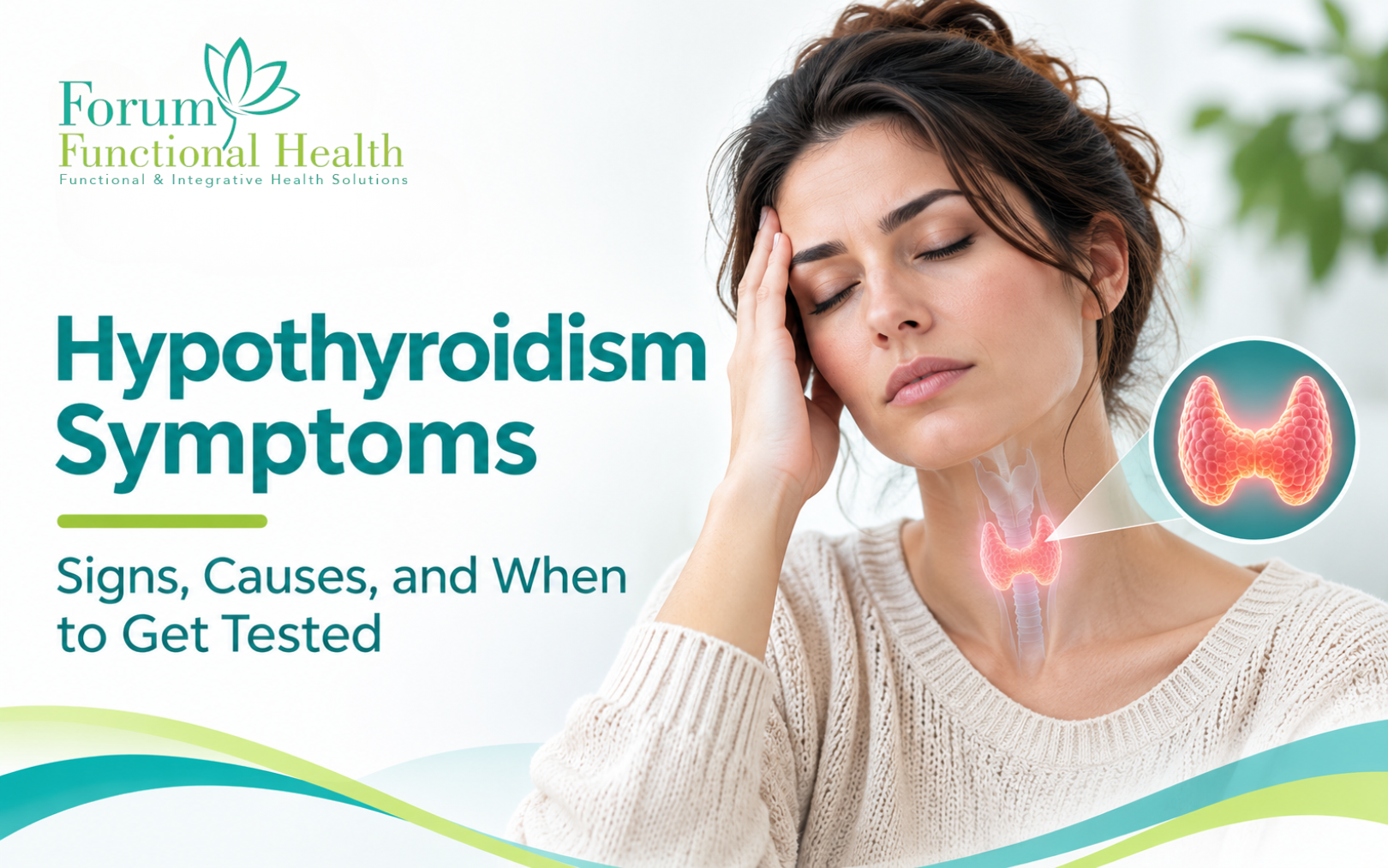
You may be getting enough sleep but still waking up exhausted. Your weight may be increasing despite consistent eating habits, or your skin may feel unusually dry while your hair becomes thinner. Sometimes, these changes are associated with an underactive thyroid, also known as hypothyroidism.
Hypothyroidism symptoms develop when the thyroid gland does not produce enough thyroid hormones to meet the body’s needs. Common signs include persistent fatigue, unexplained weight gain, increased sensitivity to cold, constipation, dry skin, hair thinning, muscle aches, and changes in menstrual cycles. However, these symptoms can also occur with other health conditions, so blood testing and clinical evaluation are necessary to determine whether thyroid dysfunction is involved.
Recognizing the possible warning signs and understanding which thyroid blood tests are appropriate can help you take the next step toward better-informed healthcare.
What Is Hypothyroidism?
Hypothyroidism is a condition in which the thyroid gland produces insufficient thyroid hormones. The thyroid is a small, butterfly-shaped gland located at the front of your neck, but its hormones influence several important body functions.
These hormones help regulate:
-
Energy production and metabolism.
-
Body temperature.
-
Heart rate.
-
Digestive activity.
-
Brain and nervous system function.
-
Muscle function.
-
Growth and development.
-
Reproductive and menstrual health.
The two primary thyroid hormones are:
Thyroxine (T4): The main hormone released by the thyroid gland. Much of it is converted into the more active T3 hormone in different tissues.
Triiodothyronine (T3): The biologically more active thyroid hormone that helps regulate metabolic activity throughout the body.
The pituitary gland in the brain produces thyroid-stimulating hormone (TSH), which signals the thyroid to produce hormones.
When thyroid hormone levels become too low, the pituitary gland generally increases TSH production to stimulate the thyroid. This is why elevated TSH is frequently associated with primary hypothyroidism.
Without adequate thyroid hormone, several body processes may slow down, contributing to the symptoms associated with an underactive thyroid.
What Are the Most Common Hypothyroidism Symptoms?
Hypothyroidism can affect multiple body systems. Symptoms often develop gradually, making them easy to overlook or attribute to aging, stress, sleep problems, or other health concerns.
The most commonly reported underactive thyroid symptoms include:
1. Persistent Fatigue and Low Energy
Feeling unusually tired, even after adequate sleep, is one of the commonly reported signs of hypothyroidism.
Some people experience reduced stamina, difficulty concentrating, or a persistent lack of motivation. However, fatigue is not specific to thyroid disease and may also be associated with anemia, sleep disorders, depression, and other conditions.
2. Unexplained Weight Gain
Hypothyroidism can contribute to weight gain through reduced energy expenditure and fluid retention.
The amount of weight change varies. It is generally modest, and thyroid dysfunction is rarely the only factor influencing body weight.
3. Increased Sensitivity to Cold
People with low thyroid hormone levels may feel colder than others in the same environment.
This happens partly because thyroid hormones influence the body’s energy use and heat production.
4. Dry Skin and Hair Thinning
Thyroid hormones contribute to normal skin and hair function.
When hormone levels are insufficient, some people experience:
-
Dry or rough skin.
-
Brittle hair.
-
Increased hair shedding.
-
Thinning of the outer eyebrows.
Hair loss can have many other causes, so persistent or significant changes deserve evaluation.
5. Constipation and Digestive Changes
Slower intestinal movement may contribute to constipation in people with hypothyroidism.
Persistent constipation, however, should not automatically be attributed to thyroid problems.
6. Muscle Aches and Joint Pain
Some individuals experience muscle stiffness, cramps, joint discomfort, or reduced exercise tolerance.
7. Mood Changes and Difficulty Concentrating
Hypothyroidism may be associated with:
-
Low mood.
-
Difficulty concentrating.
-
Memory problems.
-
Slower thinking.
-
Reduced mental energy.
These symptoms overlap with several mental health, neurological, and sleep-related conditions.
8. Changes in Heart Rate
An underactive thyroid can contribute to a slower-than-usual heart rate.
9. Menstrual Irregularities
Some women experience heavier, irregular, or otherwise changed menstrual cycles.
Thyroid dysfunction may also affect ovulation and reproductive health.
Quick Hypothyroidism Symptoms Checklist
Common symptoms to discuss with a healthcare professional
-
Persistent fatigue or low energy.
-
Unexplained weight gain.
-
Feeling unusually cold.
-
Dry skin or thinning hair.
-
Constipation.
-
Muscle aches or joint stiffness.
-
Low mood or difficulty concentrating.
-
Heavier or irregular menstrual periods.
-
Slower heart rate.
Having several symptoms does not confirm hypothyroidism. A proper medical evaluation is needed.
What Are the Early Signs of an Underactive Thyroid?
Early hypothyroidism may produce subtle changes rather than obvious physical symptoms.
For example, someone might notice that they need more sleep than usual, feel colder in air-conditioned rooms, or experience gradual changes in bowel habits.
Other early signs may include:
-
Mild fatigue that becomes persistent.
-
Slightly elevated cholesterol.
-
Increasing skin dryness.
-
Gradual hair thinning.
-
Changes in menstrual patterns.
-
Reduced exercise tolerance.
These low thyroid symptoms may develop slowly because the thyroid gland can lose function over time.
Early hypothyroidism may also produce few noticeable symptoms. In some cases, abnormal thyroid blood test results are discovered before a person recognizes any significant changes.
What Are Hypothyroidism Symptoms in Women?
Hypothyroidism can affect women differently because thyroid hormones interact with reproductive and menstrual processes.
Some hypothyroidism symptoms in women may be mistaken for perimenopause, PCOS, stress, or other hormonal changes.
Menstrual Cycle Changes
Low thyroid hormone levels may contribute to:
-
Heavier menstrual bleeding.
-
Irregular menstrual cycles.
-
Changes in cycle length.
-
Menstrual disturbances associated with ovulation problems.
Fertility and Pregnancy Considerations
Thyroid dysfunction can interfere with normal reproductive function and may contribute to fertility difficulties in some women.
Untreated hypothyroidism during pregnancy can also create health risks for both mother and baby. Women with known thyroid disease who are planning pregnancy or become pregnant should contact their healthcare provider promptly for appropriate testing and medication review.
Hair, Skin, and Energy Changes
Women may notice increased hair shedding, dry skin, persistent fatigue, and difficulty maintaining their usual activity levels.
These symptoms are not exclusive to thyroid conditions. Iron deficiency, hormonal changes, nutritional deficiencies, and other medical issues may produce similar experiences.
Hypothyroidism, Perimenopause, and PCOS: Understanding the Overlap
| Health condition | Possible overlapping symptoms |
|---|---|
| Hypothyroidism | Fatigue, weight changes, dry skin, menstrual irregularities |
| Perimenopause | Sleep disturbances, mood changes, irregular periods, hot flashes |
| PCOS | Irregular periods, acne, excess facial hair, ovulation difficulties |
Because these conditions can overlap, a healthcare professional should evaluate symptoms in the context of menstrual history, medical history, and appropriate testing rather than assuming every hormonal concern comes from the thyroid.
What Causes Hypothyroidism?
Several medical conditions and treatments can interfere with normal thyroid hormone production.
Understanding the underlying cause helps healthcare professionals determine the appropriate management strategy.
1. Hashimoto’s Thyroiditis
Hashimoto’s disease is an autoimmune condition in which the immune system mistakenly attacks thyroid tissue.
Over time, this damage can reduce the gland’s ability to produce sufficient thyroid hormones. It is the most common cause of hypothyroidism in the United States.
2. Thyroid Surgery
Surgical removal of part or all of the thyroid gland may reduce hormone production.
People who undergo a complete thyroidectomy generally need lifelong thyroid hormone replacement.
3. Radioactive Iodine Treatment
Radioactive iodine is sometimes used to treat an overactive thyroid. However, it can damage thyroid tissue and eventually lead to hypothyroidism.
4. Iodine Deficiency or Excess
The thyroid needs iodine to manufacture thyroid hormones.
Insufficient iodine can interfere with hormone production. Excessive iodine intake can also disrupt thyroid function, particularly in susceptible individuals.
Iodine deficiency is relatively uncommon in the United States because iodine is added to many table salts and is available in several foods.
5. Certain Medications
Some medications can interfere with thyroid function, including:
-
Lithium.
-
Amiodarone.
-
Certain cancer treatments.
-
Some medications used to treat hyperthyroidism.
People taking these medications may need thyroid monitoring.
6. Pituitary Gland Disorders
The pituitary gland produces TSH, which regulates thyroid activity.
If the pituitary gland does not produce enough TSH, the thyroid may not receive adequate stimulation. This is called central or secondary hypothyroidism.
Unlike typical primary hypothyroidism, central hypothyroidism may involve low free T4 with a TSH level that is low, normal, or sometimes mildly elevated.
7. Congenital Hypothyroidism
Some babies are born with an underdeveloped or improperly functioning thyroid gland.
Newborn screening helps identify this condition early so that appropriate treatment can begin.
What Are Hashimoto’s Disease Symptoms?
Hashimoto’s thyroiditis is an autoimmune thyroid disorder that can gradually damage the thyroid gland.
It is important to understand the difference between Hashimoto’s disease and hypothyroidism:
-
Hashimoto’s disease describes the autoimmune process affecting the thyroid.
-
Hypothyroidism describes insufficient thyroid hormone production.
A person can have Hashimoto’s disease before thyroid hormone levels become abnormal.
Common Hashimoto’s Disease Symptoms
When Hashimoto’s begins affecting thyroid function, symptoms may include:
-
Persistent tiredness.
-
Weight gain.
-
Increased cold sensitivity.
-
Constipation.
-
Dry skin.
-
Hair thinning.
-
Muscle and joint discomfort.
-
Menstrual irregularities.
-
Depression or difficulty concentrating.
Some people develop an enlarged thyroid, known as a goiter, which can cause visible swelling or a feeling of fullness in the neck.
How Is Hashimoto’s Diagnosed?
Healthcare professionals may use:
-
TSH testing.
-
Free T4 testing.
-
Thyroid peroxidase antibodies (TPOAb).
-
Physical examination.
-
Thyroid ultrasound when clinically indicated.
Positive TPO antibodies can support a diagnosis of autoimmune thyroid disease, but antibody levels alone do not determine thyroid hormone function or automatically mean medication is necessary.
How Do You Know If You Have Hypothyroidism?
The most reliable way to determine whether you have hypothyroidism is through an appropriate medical evaluation and thyroid blood testing.
Symptoms can provide useful clues, but they cannot establish a diagnosis.
A healthcare professional will typically consider:
-
Your symptoms and how long they have been present.
-
Personal and family history of thyroid or autoimmune conditions.
-
Current medications and supplements.
-
Physical examination, including the thyroid gland when appropriate.
-
Thyroid laboratory results.
Which Thyroid Blood Tests Are Used?
TSH (Thyroid-Stimulating Hormone)
TSH is generally the first-line blood test for evaluating suspected primary hypothyroidism.
An elevated TSH may indicate that the pituitary gland is signaling the thyroid to produce more hormone because thyroid hormone availability is insufficient.
Free T4 (Free Thyroxine)
Free T4 measures the portion of circulating thyroxine that is not bound to blood proteins.
It helps determine whether thyroid hormone levels are actually low.
TPO Antibodies (Thyroid Peroxidase Antibodies)
This test looks for antibodies associated with autoimmune thyroid disease, particularly Hashimoto’s thyroiditis.
Additional Testing
Depending on symptoms and medical history, a healthcare professional may consider:
-
Free or total T3 in selected situations.
-
Thyroglobulin antibodies.
-
Lipid profile.
-
Complete blood count.
-
Ferritin or iron studies.
-
Vitamin B12 or vitamin D when clinically appropriate.
-
Blood glucose or A1C when evaluating metabolic health.
Not everyone needs every test. Testing should be selected according to the clinical question rather than ordering a broad panel automatically.
What Does a TSH Test Show?
A TSH test measures the amount of thyroid-stimulating hormone circulating in your blood.
It helps healthcare professionals understand how the pituitary gland is communicating with the thyroid gland.
In primary hypothyroidism, TSH generally increases because the pituitary gland is trying to stimulate an underactive thyroid.
Understanding TSH and Free T4 Results
The following table shows common laboratory patterns. Actual interpretation depends on the laboratory reference range, symptoms, pregnancy status, medications, and clinical history.
| Thyroid pattern | TSH | Free T4 |
|---|---|---|
| Typical thyroid function | Within reference range | Within reference range |
| Overt primary hypothyroidism | High | Low |
| Subclinical hypothyroidism | High | Within reference range |
| Central hypothyroidism | Low or inappropriately normal | Low |
A mildly elevated TSH with normal free T4 does not automatically mean treatment is required. Healthcare professionals consider the degree and persistence of the abnormality, symptoms, age, pregnancy considerations, and other risk factors.
A single laboratory number should never be interpreted without considering the complete clinical picture.
Can Hypothyroidism Cause Weight Gain?
Yes. Hypothyroidism can contribute to weight gain, although it is rarely the only explanation for changes in body weight.
Thyroid hormones influence how the body uses energy. When thyroid hormone levels become insufficient, resting energy expenditure may decrease.
Some people also retain additional fluid, contributing to weight changes.
However, weight is influenced by several other factors, including:
-
Food intake and dietary patterns.
-
Physical activity.
-
Sleep quality.
-
Age-related changes.
-
Certain medications.
-
Insulin resistance.
-
Other hormonal and metabolic conditions.
How Are Thyroid Function and Blood Sugar Related?
Thyroid hormones interact with glucose metabolism, insulin sensitivity, and the body’s energy-regulating processes.
Insulin resistance can make it harder for cells to respond effectively to insulin, potentially contributing to elevated blood glucose.
An A1C test measures average blood glucose over approximately the previous three months and can help evaluate prediabetes and diabetes.
However, hypothyroidism does not automatically cause diabetes, and thyroid treatment should not be presented as a way to restore pancreatic beta cell function.
When someone experiences unexplained weight changes alongside fatigue or other metabolic concerns, healthcare professionals may evaluate thyroid function and glucose regulation separately.
Hypothyroidism vs. Hyperthyroidism: What’s the Difference?
Both conditions affect the thyroid gland, but they involve different hormone patterns and often produce opposite symptoms.
| Feature | Hypothyroidism | Hyperthyroidism |
|---|---|---|
| Thyroid function | Underactive | Overactive |
| Hormone production | Insufficient | Excessive |
| TSH in primary disease | Usually elevated | Usually suppressed |
| Metabolism | Often slower | Often faster |
| Weight changes | Possible weight gain | Possible weight loss |
| Temperature sensitivity | Feels unusually cold | Feels unusually hot |
| Heart rate | May slow | May increase |
| Bowel movements | Constipation | Frequent bowel movements |
| Skin | Dry or rough | Often warm or moist |
| Energy | Fatigue | Restlessness or excessive energy |
| Sleep | May experience increased sleepiness | May experience difficulty sleeping |
Symptoms alone cannot distinguish these conditions reliably. Thyroid blood tests help establish which pattern is present.
How Is Hypothyroidism Treated?
The standard treatment for hypothyroidism is thyroid hormone replacement, most commonly with levothyroxine.
Levothyroxine is a synthetic form of T4 that replaces the hormone the thyroid gland cannot produce in sufficient quantities.
Why Is Medication Dosage Individualized?
The appropriate dose depends on several factors:
-
Age.
-
Body weight.
-
Thyroid hormone levels.
-
Severity of hypothyroidism.
-
Pregnancy status.
-
Other medical conditions.
-
Medications that affect absorption or metabolism.
Some people need lifelong medication, while others may experience temporary hypothyroidism depending on its cause.
Why Is Follow-Up Blood Testing Important?
Healthcare professionals generally recheck thyroid function approximately 6–8 weeks after starting levothyroxine or changing its dose.
This allows time for TSH levels to respond to the adjustment.
Once thyroid levels are stable, monitoring continues periodically according to individual needs.
How Should Levothyroxine Be Taken?
For many patients, levothyroxine is taken consistently on an empty stomach with water, usually 30–60 minutes before breakfast.
Some medications and supplements can interfere with absorption.
In particular:
-
Calcium supplements may reduce absorption.
-
Iron supplements may reduce absorption.
-
Certain antacids can interfere with medication absorption.
-
Some foods and medications can affect how consistently the medicine is absorbed.
Calcium and iron supplements are generally separated from levothyroxine by at least four hours. Follow your prescriber’s instructions regarding timing.
Never change your dosage or discontinue prescribed thyroid medication without consulting your healthcare professional.
What About Pregnancy?
Thyroid hormone requirements frequently change during pregnancy.
Women taking levothyroxine should inform their healthcare provider as soon as they become pregnant because timely medication review and more frequent blood testing may be necessary.
Can Lifestyle Changes Support Thyroid Health?
Healthy lifestyle habits can support general wellbeing and complement appropriate thyroid treatment.
However, they cannot reliably reverse autoimmune thyroid disease or replace thyroid hormone medication when medication is medically necessary.
1. Follow a Balanced Eating Pattern
Include a variety of foods such as:
-
Vegetables and fruits.
-
Whole grains.
-
Protein-rich foods.
-
Nuts and seeds.
-
Healthy sources of dietary fats.
A varied eating pattern helps provide nutrients needed for normal body function.
2. Maintain Appropriate Iodine Intake
Iodine is necessary for thyroid hormone production.
However, taking additional iodine without a demonstrated need can be harmful, particularly for people with autoimmune thyroid conditions.
Avoid assuming that more iodine means better thyroid function.
3. Prioritize Sleep
Consistent sleep routines can support energy, concentration, mood, and metabolic health.
Adults generally benefit from seven or more hours of sleep each night, although individual requirements vary.
4. Stay Physically Active
Walking, resistance exercise, and other activities appropriate to your fitness level can support cardiovascular health, muscle function, and weight management.
If you have significant fatigue or untreated hypothyroidism, discuss an appropriate activity level with your healthcare professional.
5. Manage Stress
Stress management practices such as relaxation exercises, mindfulness, and structured daily routines may support overall wellbeing.
However, stress should not be presented as the universal cause of hypothyroidism.
6. Maintain Appropriate Medical Follow-Up
Regular clinical assessments and laboratory monitoring help ensure that thyroid treatment remains appropriate as health circumstances change.
Can Thyroid Supplements Help?
Nutritional supplements may be useful when a person has a confirmed nutritional deficiency or a specific clinical need.
However, no supplement should be promoted as a replacement for prescribed thyroid hormone medication or as a proven cure for Hashimoto’s disease.
Before starting thyroid supplements, consider the following nutrients and safety issues.
| Nutrient or supplement | What to understand |
|---|---|
| Iodine | Necessary for thyroid hormone production, but excess intake can disrupt thyroid function |
| Selenium | Involved in thyroid hormone metabolism; excessive intake can be toxic |
| Zinc | Supports normal immune and cellular functions; supplementation is most relevant when intake is inadequate |
| Iron | Iron deficiency can contribute to fatigue; supplements may interfere with levothyroxine absorption |
| Vitamin D | Important for bone and immune health; supplementation depends on individual needs |
| Biotin | Can interfere with certain thyroid laboratory tests and produce misleading results |
Why Is Biotin Important Before Thyroid Testing?
Biotin is commonly included in hair, skin, and nail supplements.
High supplemental doses can interfere with certain laboratory methods used to measure thyroid hormones and TSH.
Tell your healthcare professional about biotin use before thyroid testing. They can advise whether and when to pause supplementation before the blood draw.
Choosing Thyroid Supplements Carefully
If you are researching nutritional products, Forum Functional Health Center provides a thyroid supplements category for reviewing available products.
One listed option is Thyrotain.
Product suitability depends on individual needs, ingredients, medications, and professional guidance. A product’s availability does not establish that it treats hypothyroidism or reverses autoimmune thyroid disease.
You can also explore the clinic’s broader Supplements resources.
When Should You See a Doctor for Thyroid Symptoms?
Consider scheduling a medical evaluation if you experience persistent or unexplained symptoms that may be associated with hypothyroidism.
You should pay particular attention if you have:
-
Ongoing fatigue that interferes with daily activities.
-
Unexplained weight changes.
-
Persistent constipation or unusual cold sensitivity.
-
Significant hair thinning or skin changes.
-
New menstrual irregularities.
-
A family history of thyroid disease.
-
A personal history of autoimmune conditions.
-
Previous thyroid surgery or radioactive iodine treatment.
When Is Thyroid Testing Particularly Important?
Discuss thyroid evaluation with your healthcare professional if you are:
-
Planning a pregnancy and have a history of thyroid disease.
-
Pregnant and already taking thyroid medication.
-
Experiencing fertility difficulties alongside possible thyroid symptoms.
-
Taking medications known to affect thyroid function.
-
Being monitored for an existing thyroid disorder.
Can Severe Hypothyroidism Become an Emergency?
Although uncommon, severe untreated hypothyroidism can lead to myxedema crisis, a life-threatening medical emergency.
Warning signs can include:
-
Severe confusion or reduced consciousness.
-
Abnormally low body temperature.
-
Slow or difficult breathing.
-
Markedly low blood pressure.
Seek emergency medical attention immediately if these symptoms occur. Do not wait for a routine thyroid appointment.
How Does Functional Medicine Approach Thyroid Health?
Thyroid symptoms can overlap with nutritional, metabolic, reproductive, and other health concerns. Understanding the broader clinical picture may help patients have more informed conversations about their care.
At Forum Functional Health Center, the functional medicine approach considers individual health history, symptoms, lifestyle patterns, and appropriate laboratory findings.
Depending on individual circumstances, this may include:
Reviewing Health History
Understanding previous diagnoses, family history, medications, supplements, and symptom patterns can provide useful context.
Understanding Relevant Laboratory Findings
Thyroid results should be interpreted alongside clinical symptoms and established medical guidelines.
When appropriate, other health markers may also be reviewed to understand concerns involving metabolic health, nutrition, or general wellbeing.
Considering Nutrition and Lifestyle
Nutrition, sleep, physical activity, and stress management are relevant components of overall health.
Personalized guidance can help individuals identify practical habits that complement their established medical care.
Supporting Coordination With Medical Providers
Functional medicine should complement appropriate conventional healthcare.
Patients with diagnosed hypothyroidism should continue working with their primary care provider or endocrinologist for diagnosis, medication management, and thyroid monitoring.
Functional medicine evaluations do not replace validated thyroid blood testing or specialist assessment. No single test or muscle-testing technique can independently establish the cause of thyroid disease.
Learn more about Functional Medicine and the clinic’s approach to individualized health support.
Thyroid Disease Treatment in McKinney, TX
If you are experiencing persistent fatigue, unexplained weight changes, hair thinning, or other possible thyroid-related symptoms, understanding your health history and obtaining appropriate evaluation can be an important next step.
Forum Functional Health Center offers a personalized approach to health support for individuals interested in understanding their thyroid health and exploring complementary lifestyle and nutritional strategies.
Located in McKinney, Texas, the center serves individuals seeking personalized functional health guidance in McKinney and surrounding North Texas communities, including Frisco, Allen, and Dallas.
Whether you are researching possible hypothyroidism symptoms or already have a Hashimoto’s diagnosis, the focus is on understanding individual health concerns rather than assuming every symptom has the same explanation.
Explore the clinic’s thyroid disease services to learn more about its approach to thyroid health.
You can also learn about available Functional Health Services or request information through the Personalized Care Health Center page.
FAQs About Hypothyroidism Symptoms
1. What Are the First Signs of Hypothyroidism?
Early signs of hypothyroidism may include persistent fatigue, increased sensitivity to cold, dry skin, constipation, and gradual hair thinning. Some people also experience unexplained weight changes or menstrual irregularities. These symptoms often develop slowly and can be associated with other conditions, so thyroid blood testing is necessary to determine whether an underactive thyroid is responsible.
2. Can Hypothyroidism Cause Weight Gain?
Yes. Hypothyroidism can contribute to weight gain because insufficient thyroid hormone may reduce energy expenditure and increase fluid retention. However, weight gain is usually influenced by multiple factors, including diet, physical activity, sleep, medications, and metabolic health. Treating confirmed hypothyroidism may help address the thyroid-related contribution to weight changes.
3. What Does a TSH Test Show?
A TSH test measures thyroid-stimulating hormone produced by the pituitary gland. Elevated TSH commonly suggests primary hypothyroidism because the pituitary is signaling the thyroid to produce more hormones. Healthcare professionals generally interpret TSH alongside free T4, symptoms, medical history, and the laboratory’s reference range.
4. Can You Have Hypothyroidism Without Knowing It?
Yes. Hypothyroidism can develop gradually, and some individuals have few noticeable symptoms during its early stages. In certain cases, abnormal thyroid function is discovered through routine blood testing or an evaluation for another health concern. This is why appropriate testing can be useful when symptoms or individual risk factors raise clinical suspicion.
5. What Are Hashimoto’s Disease Symptoms?
Hashimoto’s disease may initially produce no noticeable symptoms. As autoimmune damage affects thyroid function, symptoms can include fatigue, weight gain, cold sensitivity, constipation, dry skin, hair thinning, and menstrual irregularities. Hashimoto’s is an autoimmune condition, whereas hypothyroidism describes insufficient thyroid hormone production. Not everyone with Hashimoto’s immediately develops hypothyroidism.
6. Is Hypothyroidism More Common in Women?
Yes. Hypothyroidism is more common in women than in men. Autoimmune thyroid disorders, including Hashimoto’s thyroiditis, are also more frequently diagnosed in women. Thyroid dysfunction may affect menstrual cycles, fertility, and pregnancy, making appropriate evaluation particularly important for women experiencing persistent hormonal or reproductive health concerns.
7. Can Hypothyroidism Cause Hair Loss?
Yes. Insufficient thyroid hormone can interfere with normal hair growth and contribute to diffuse hair shedding or thinning. However, hair loss can also result from iron deficiency, stress, illness, hormonal changes, and other conditions. A healthcare professional can help determine whether thyroid testing or additional evaluation is appropriate.
8. Can Hypothyroidism Be Reversed?
Whether hypothyroidism resolves depends on its underlying cause. Some temporary forms may improve as thyroid inflammation resolves, while permanent thyroid damage or Hashimoto’s disease often requires long-term management. Levothyroxine can replace insufficient thyroid hormone effectively, but supplements and lifestyle changes should not be presented as proven ways to reverse permanent thyroid dysfunction.
9. What Is the Difference Between Hypothyroidism and Hashimoto’s Disease?
Hypothyroidism is a condition in which the thyroid does not produce enough hormones. Hashimoto’s disease is an autoimmune disorder in which the immune system attacks thyroid tissue. Hashimoto’s is a common cause of hypothyroidism, but a person can have Hashimoto’s before developing low thyroid hormone levels.
10. When Should I Get Tested for Hypothyroidism?
Consider discussing thyroid testing with a healthcare professional if you have persistent fatigue, unexplained weight changes, cold sensitivity, constipation, menstrual irregularities, or other possible thyroid symptoms. Testing may also be appropriate with a personal or family history of thyroid disease, certain medications, or pregnancy-related concerns. TSH and free T4 are commonly used to evaluate thyroid function.
Take the Next Step Toward Understanding Your Thyroid Health
Persistent tiredness, unexplained weight changes, hair thinning, and menstrual irregularities deserve attention, particularly when several symptoms occur together.
Although these changes do not automatically indicate hypothyroidism, appropriate evaluation can help identify whether thyroid dysfunction or another health concern may be contributing.
At Forum Functional Health Center in McKinney, TX, personalized functional health guidance considers your individual symptoms, health history, appropriate laboratory findings, and lifestyle factors.
If you are interested in exploring supportive strategies for your thyroid health, contact the center to learn about available consultation options.
Special Consultation Offer
$300 Regularly $500
Explore personalized thyroid health support at Forum Functional Health Center.
Call Now: (214) 550-3951
Offer availability and eligibility should be confirmed with the clinic.
Contact Forum Functional Health