
7 Signs of Hormonal Imbalance in Women You Shouldn’t Ignore
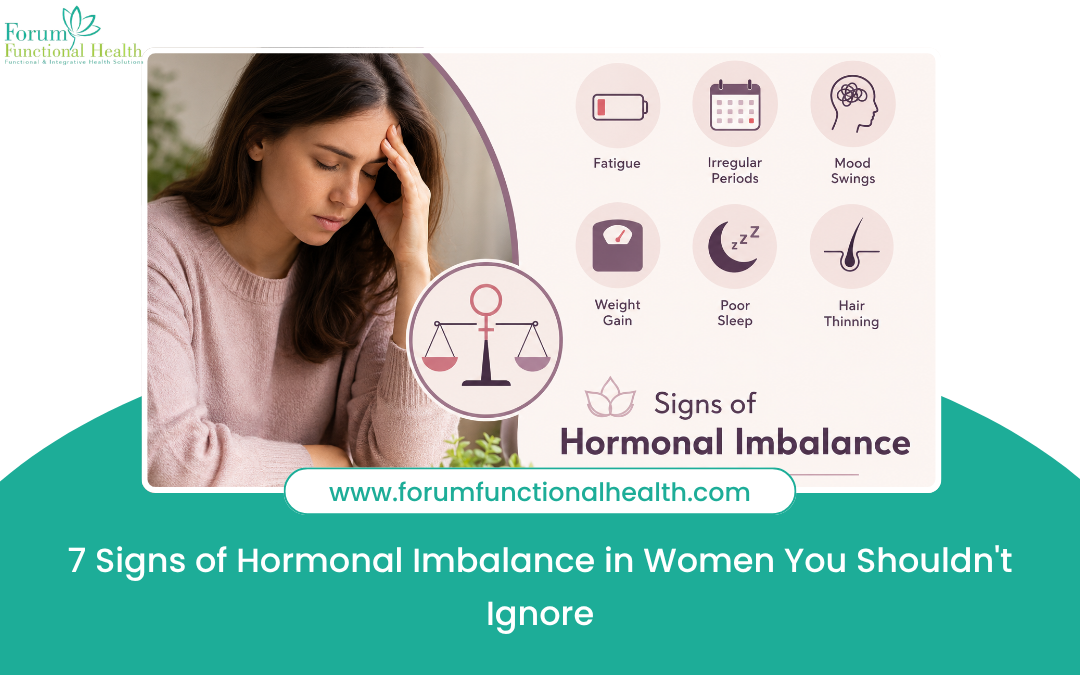
The signs of hormonal imbalance in women can include ongoing fatigue, irregular periods, weight gain, mood changes, poor sleep, hair loss, and low sex drive. Because hormone imbalance has many possible causes, including stress, thyroid disorders, and menopause, proper evaluation and personalized testing are essential for identifying the root cause and choosing the most appropriate treatment.
Many women experience changes in their health that seem unrelated at first. You may feel exhausted despite getting enough sleep, notice unexpected weight gain, struggle with mood swings, or experience irregular menstrual cycles. While these symptoms are often dismissed as “normal,” they can actually be early signs of hormonal imbalance in women.
Hormones are your body’s chemical messengers. They help regulate nearly every major system, including metabolism, mood, sleep, fertility, stress response, and reproductive health. When one hormone becomes too high or too low, it can affect many other systems, creating symptoms that interfere with daily life.
The good news is that hormone-related symptoms don’t always have to be managed by simply masking them. Through Functional Medicine, healthcare providers focus on identifying the underlying causes of hormone disruption rather than treating symptoms alone.
At Forum Functional Health, women receive personalized evaluations that include advanced hormone testing, lifestyle assessment, nutrition guidance, stress management strategies, and customized treatment plans designed to support long-term wellness.
Whether you’re living in McKinney, Dallas, Frisco, Allen, Houston, Fort Worth, or elsewhere in Texas, understanding these early warning Signs of Hormonal Imbalance in Women may help you seek care before symptoms become more severe.
Schedule Your Hormone Consultation
If you’re experiencing persistent symptoms, exploring a personalized evaluation may help identify the underlying factors contributing to your hormone health.
What Is Hormonal Imbalance?
A female hormone imbalance occurs when hormone levels become too high, too low, or fluctuate outside their normal range. Even small changes can affect multiple body systems because hormones constantly work together.
Some of the most important hormones include:
Estrogen
Estrogen supports reproductive health, bone strength, brain function, skin health, and heart health. Too much or too little estrogen may contribute to various hormonal imbalance symptoms.
Progesterone
Progesterone helps regulate menstrual cycles, supports pregnancy, promotes restful sleep, and balances estrogen. Low progesterone may contribute to PMS symptoms, anxiety, and irregular periods.
Cortisol
Known as the primary stress hormone, cortisol is produced by the adrenal glands. Long-term stress may contribute to cortisol imbalance, affecting energy, sleep, metabolism, and immune function.
Thyroid Hormones
Thyroid hormones regulate metabolism, temperature control, heart rate, and energy production. A thyroid hormone imbalance can lead to fatigue, weight changes, and brain fog.
Adrenal Hormones
The adrenal glands produce hormones involved in stress response, blood pressure regulation, and energy production. Adrenal gland dysfunction may influence many aspects of women’s hormone health.
Women experiencing ongoing symptoms may benefit from a professional evaluation for hormone imbalance to better understand what is contributing to their symptoms.
Why Hormone Balance Matters
Healthy hormones support much more than reproductive health.
Balanced hormones help regulate:
- Steady energy throughout the day
- Emotional well-being
- Healthy sleep cycles
- Weight management
- Fertility
- Memory and concentration
- Bone health
- Heart health
- Healthy metabolism
- Immune function
When hormones become disrupted, several body systems may be affected simultaneously, which is why symptoms often appear unrelated.
Discover the Root Cause of Your Symptoms
Personalized hormone evaluations can help identify contributing factors rather than simply treating individual symptoms.
7 Signs of Hormonal Imbalance in Women
1. Fatigue That Doesn’t Improve With Rest
Persistent fatigue is one of the most common signs of hormonal imbalance in women.
Unlike normal tiredness, hormonal fatigue often continues even after a full night’s sleep.
Why It Happens
Hormones involved in energy production include:
- Cortisol
- Thyroid hormones
- Estrogen
- Progesterone
When these hormones become imbalanced, your body may struggle to produce consistent energy.
Common Causes
- Chronic stress
- Thyroid disorders
- Poor sleep
- Cortisol imbalance
- Nutrient deficiencies
- Adrenal gland dysfunction
When to Seek Help
If fatigue lasts several weeks, affects work or daily activities, or occurs alongside weight gain, irregular periods, or brain fog, professional evaluation is recommended.
2. Irregular Menstrual Cycles
Your menstrual cycle provides important clues about hormone health.
Changes may include:
- Missed periods
- Heavy bleeding
- Very light periods
- Short cycles
- Long cycles
- Spotting between periods
Why It Happens
Ovulation depends on the proper balance between estrogen and progesterone.
When hormone levels shift, menstrual cycles often become unpredictable.
Common Causes
- Perimenopause symptoms
- Thyroid hormone imbalance
- PCOS
- Chronic stress
- Weight fluctuations
- Female hormone imbalance causes related to nutrition and lifestyle
When to Seek Help
Seek evaluation if cycle changes continue for more than three months, become unusually heavy, or occur with pelvic pain.
3. Weight Gain Around the Abdomen
Many women notice stubborn belly fat despite eating well and exercising regularly.
Why It Happens
Hormones influence:
- Fat storage
- Blood sugar regulation
- Appetite
- Muscle mass
- Metabolism
High cortisol and insulin changes may encourage abdominal fat storage.
Common Causes
- Chronic stress
- Poor sleep
- High estrogen symptoms
- Thyroid disorders
- Menopause hormone imbalance
- Physical inactivity
When to Seek Help
If weight changes occur without significant lifestyle changes or are accompanied by fatigue and irregular periods, further evaluation may be helpful.
4. Mood Swings, Anxiety & Depression
Emotional changes are often connected to hormone fluctuations.
Why It Happens
Estrogen affects important brain chemicals including serotonin and dopamine.
Lower progesterone may also reduce the body’s natural calming effects.
Common Causes
- PMS symptoms
- Perimenopause
- Cortisol imbalance
- Poor sleep
- Chronic stress
- Thyroid conditions
When to Seek Help
Persistent anxiety, depression, or mood changes that interfere with daily life deserve professional assessment. Mental health symptoms can have many causes and should always be evaluated appropriately.
5. Trouble Sleeping
Sleep and hormones work together.
Poor sleep can worsen hormone imbalance, while hormone imbalance can make quality sleep difficult.
Why It Happens
Hormones involved in sleep include:
- Progesterone
- Cortisol
- Melatonin
- Estrogen
Disruptions may lead to difficulty falling asleep or waking during the night.
Common Causes
- Stress hormones
- Menopause hormone imbalance
- Low progesterone
- Cortisol imbalance
- Night sweats
- Anxiety
When to Seek Help
If sleep problems continue for several weeks despite healthy sleep habits, discuss your symptoms with a healthcare provider.
Book a Functional Medicine Evaluation
Personalized testing may help uncover hormone-related factors contributing to ongoing sleep disturbances.
6. Hair Loss & Skin Changes
Healthy hair and skin rely on balanced hormones.
Why It Happens
Hormones regulate:
- Hair growth cycles
- Oil production
- Collagen
- Skin hydration
Changes in estrogen, thyroid hormones, or stress hormones may contribute to noticeable differences.
Common Causes
- Thyroid hormone imbalance
- Perimenopause
- Menopause
- Nutritional deficiencies
- Chronic inflammation
- Stress
When to Seek Help
Hair thinning, acne that develops later in adulthood, or significant skin changes lasting several months should be evaluated.
7. Low Sex Drive
A reduced interest in intimacy is another common symptom of hormone imbalance.
Why It Happens
Sexual health depends on:
- Estrogen
- Progesterone
- Testosterone
- Emotional health
- Sleep quality
When hormone levels shift, desire and comfort may change.
Common Causes
- Menopause
- Chronic stress
- Fatigue
- Low estrogen
- Relationship stress
- Certain medications
When to Seek Help
If symptoms persist or affect quality of life, discussing concerns with a healthcare provider can help identify possible contributing factors.
What Causes Female Hormone Imbalance?
There isn’t one single cause of hormone imbalance. Instead, multiple factors often work together.
Common female hormone imbalance causes include:
- Chronic stress
- Poor sleep
- Adrenal dysfunction
- Poor nutrition
- Gut imbalance
- Chronic inflammation
- Thyroid disorders
- Perimenopause
- Menopause
- Chronic illness
- Environmental toxins
- Lack of physical activity
- Certain medications
Because hormone systems are interconnected, addressing only one symptom may not resolve the underlying issue.
Women who receive comprehensive evaluations through Functional Health Services often benefit from a more complete understanding of how lifestyle, nutrition, stress, and hormone function interact.
How Stress Affects Female Hormones
Stress is one of the biggest influences on women’s hormone health.
When you’re under constant stress, your body activates its “fight-or-flight” response.
This causes the adrenal glands to produce more cortisol.
Over time, prolonged stress may contribute to:
- Cortisol imbalance
- Reduced progesterone production
- Estrogen dominance symptoms
- Poor sleep
- Blood sugar fluctuations
- Increased inflammation
- Digestive issues
Long-term stress may also affect the communication between the brain, ovaries, thyroid, and adrenal glands.
Managing stress through nutrition, movement, sleep, and mindfulness can play an important role in supporting natural hormone balance.
Estrogen Dominance Symptoms
Estrogen is an essential hormone for women’s health. However, when estrogen becomes too high compared to progesterone, it may contribute to a pattern commonly referred to as estrogen dominance. This imbalance can occur during reproductive years, perimenopause, or menopause and should be evaluated by a qualified healthcare provider through appropriate hormone testing.
Common Estrogen Dominance Symptoms
- Heavy or prolonged menstrual periods
- Irregular menstrual cycles
- Breast tenderness or swelling
- Bloating and water retention
- Mood swings or irritability
- Increased PMS symptoms
- Headaches or menstrual migraines
- Difficulty losing weight
- Fatigue
- Low libido
- Trouble sleeping
- Brain fog
While these symptoms may suggest a hormone imbalance, they can also have other causes. A personalized evaluation helps determine what is contributing to your symptoms.
Adrenal Fatigue Symptoms
Although the term “adrenal fatigue” is widely used, it is not an established medical diagnosis. Many people use it to describe a collection of symptoms that may be associated with chronic stress, poor sleep, or other health conditions. Functional Medicine practitioners often assess adrenal function and cortisol patterns as part of a broader evaluation.
Common Adrenal Fatigue Symptoms
- Constant tiredness
- Low energy in the morning
- Afternoon energy crashes
- Difficulty handling stress
- Poor concentration
- Brain fog
- Salt or sugar cravings
- Sleep disturbances
- Low motivation
- Feeling overwhelmed
- Mild dizziness when standing
- Increased reliance on caffeine
Because these symptoms overlap with thyroid disorders, anemia, depression, and other conditions, proper testing is essential before developing a treatment plan.
✔ Restore Hormonal Balance Naturally
If ongoing fatigue, stress, or hormone-related symptoms are affecting your daily life, a personalized Functional Medicine evaluation can help identify the underlying contributors.
Gut Health and Hormones
Your digestive system plays a much larger role in hormone health than many people realize.
A healthy gut microbiome supports:
- Hormone metabolism
- Nutrient absorption
- Immune function
- Inflammation control
- Estrogen regulation
When the gut becomes imbalanced, hormone regulation may also be affected.
The Gut-Hormone Connection
Healthy Microbiome
Beneficial bacteria help process hormones after the liver has metabolized them.
Inflammation
Chronic inflammation may interfere with hormone signaling throughout the body.
Nutrient Absorption
Hormone production depends on nutrients such as:
- Magnesium
- Zinc
- Vitamin D
- B vitamins
- Healthy fats
- Protein
Poor digestion can reduce nutrient absorption, making it more difficult for the body to maintain healthy hormone levels.
Gut Health and Estrogen
An unhealthy microbiome may affect how estrogen is processed and eliminated from the body, potentially contributing to hormone imbalance in some women.
Supporting digestive health through balanced nutrition, fiber-rich foods, hydration, and stress management is often an important part of improving overall women’s hormone health.
How Functional Medicine Treats Hormonal Imbalance
Unlike approaches that focus only on symptom management, Functional Medicine aims to understand why hormone imbalance developed in the first place.
At Forum Functional Health, practitioners create individualized care plans based on each woman’s unique health history, symptoms, and laboratory findings.
Comprehensive Hormone Testing
Testing may include:
- Functional hormone evaluation
- Female hormone testing
- Cortisol evaluation
- Adrenal health assessment
- Thyroid assessment
- Nutritional assessment
- Lifestyle evaluation
Testing helps determine whether symptoms may be related to hormone levels, thyroid function, stress hormones, nutritional status, or other underlying factors.
Personalized Treatment Plans
Every woman has different health needs.
Treatment recommendations may include:
- Nutrition counseling
- Lifestyle coaching
- Stress reduction strategies
- Sleep optimization
- Exercise recommendations
- Targeted supplement guidance
- Ongoing monitoring
Rather than using a one-size-fits-all approach, care is tailored to each individual.
Nutrition Support
Food provides the building blocks needed for hormone production.
A personalized nutrition plan may emphasize:
- Lean protein
- Healthy fats
- High-fiber vegetables
- Whole foods
- Blood sugar balance
Lifestyle Coaching
Healthy daily habits often play a significant role in long-term hormone health.
Coaching may include:
- Stress management
- Physical activity
- Sleep improvement
- Mindfulness practices
- Sustainable habit changes
✔ Schedule Your Hormone Consultation
Early evaluation may help identify the factors affecting your hormones and guide a personalized care plan before symptoms become more disruptive.
Supplements That May Support Hormone Health
Dietary supplements can play a supportive role when recommended by a qualified healthcare practitioner. They should never replace medical evaluation or individualized treatment.
Forum Functional Health offers the best female hormone balance supplements to help support healthy hormone function. This formula contains:
- Chaste Berry Extract
- Licorice Root
- Peony Root
These ingredients are commonly used to support female hormone health and help maintain a regular menstrual cycle. However, results vary, and supplements should be used only under professional guidance.
Magnesium is another nutrient that supports many important processes in the body.
The Best Magnesium Supplement For Women contains chelated Magnesium Bisglycinate to support:
- Muscle function
- Relaxation
- Healthy sleep
- Overall wellness
- Hormone balance
Some women may also benefit from practitioner-guided Supplements based on their laboratory findings and nutritional needs.
Important: Supplements are not intended to diagnose, treat, cure, or prevent disease. Always consult a qualified healthcare provider before starting any supplement program.
Healthy Lifestyle Habits for Better Hormone Balance
Small daily habits can make a meaningful difference in supporting healthy hormone function.
Eat a Balanced Diet
Focus on:
- Colorful vegetables
- Fresh fruits
- Lean proteins
- Healthy fats
- Whole grains
- Fiber-rich foods
Prioritize Protein
Protein supplies amino acids that support hormone production and muscle health.
Include Healthy Fats
Healthy fats from foods like avocados, olive oil, nuts, and seeds support hormone production.
Stay Physically Active
Regular exercise can help support:
- Healthy metabolism
- Stress reduction
- Better sleep
- Weight management
Aim for a combination of strength training, walking, and flexibility exercises.
Improve Sleep
Adults generally benefit from 7–9 hours of quality sleep each night.
Healthy sleep habits include:
- Consistent bedtime
- Limiting screen time before bed
- Keeping the bedroom cool and dark
Manage Stress
Helpful strategies include:
- Meditation
- Deep breathing
- Yoga
- Journaling
- Spending time outdoors
Stay Hydrated
Adequate hydration supports metabolism, circulation, and overall wellness.
Functional Medicine vs Conventional Care
| Feature | Functional Medicine | Conventional Care |
|---|---|---|
| Primary Focus | Identifies underlying contributors | Often focuses on symptom management |
| Hormone Testing | Comprehensive, personalized evaluation | Usually limited based on symptoms |
| Root Cause Investigation | Extensive review of lifestyle, nutrition, stress, gut health, and hormones | May focus primarily on diagnosis and medication |
| Nutrition Guidance | Personalized nutrition plan | General dietary recommendations |
| Lifestyle Coaching | Core part of treatment | Often limited |
| Stress Management | Integrated into care | Variable |
| Long-Term Wellness | Emphasizes sustainable health improvements | Often prioritizes symptom control |
Both approaches have important roles in healthcare. The most appropriate plan depends on each individual’s medical history, symptoms, and healthcare needs.
Real-Life Example
Sarah, a 42-year-old woman from McKinney, began experiencing persistent fatigue, weight gain around her abdomen, irregular menstrual cycles, poor sleep, and increasing anxiety.
Initially, she assumed these changes were simply part of getting older. However, when her symptoms began affecting her work and family life, she sought care at Forum Functional Health.
Her personalized evaluation included:
- Functional hormone testing
- Cortisol assessment
- Thyroid evaluation
- Lifestyle review
- Nutrition assessment
Instead of focusing on one symptom, her care plan addressed multiple contributing factors.
Recommendations included:
- Improved sleep habits
- Stress reduction techniques
- A balanced nutrition plan
- Regular physical activity
- Practitioner-guided supplements
- Ongoing monitoring
Over the following months, Sarah reported gradual improvements in energy, sleep quality, mood, and menstrual regularity. While every woman’s experience is unique and results vary, her case illustrates how a personalized, root-cause approach may support overall hormone health.
Why Choose Forum Functional Health
Women throughout McKinney and surrounding Texas communities choose Forum Functional Health because care is personalized rather than standardized.
The team focuses on understanding the complete picture of your health.
Root Cause Medicine
Treatment begins by identifying why symptoms developed rather than simply masking them.
Experienced Practitioners
Providers take time to understand your health history, symptoms, and personal wellness goals.
Personalized Treatment Plans
Every care plan is tailored to your unique needs and laboratory findings.
Comprehensive Functional Testing
Testing may evaluate:
- Hormones
- Thyroid function
- Cortisol
- Lifestyle factors
- Nutrition
Lifestyle Coaching
Long-term health often depends on sustainable habits, not quick fixes.
Evidence-Based Care
Recommendations are guided by current research and individualized clinical assessment.
Compassionate Support
Women receive ongoing education and guidance throughout their wellness journey.
If you’re ready to take the next step, connect with the Personalized care Health Center to schedule your consultation and learn more about individualized hormone care.
Frequently Asked Questions
1. What are the first signs of hormonal imbalance in women?
Common early Signs of Hormonal Imbalance in Women include persistent fatigue, irregular periods, mood changes, weight gain, poor sleep, hair thinning, and low sex drive. These symptoms have many possible causes, so professional evaluation is important.
2. Can stress cause hormonal imbalance?
Chronic stress may affect cortisol production and influence other hormones, including estrogen and progesterone. Managing stress is often an important part of supporting hormone health.
3. How do I know if I need hormone testing?
If symptoms continue for several weeks or interfere with daily life, your healthcare provider may recommend hormone testing along with other evaluations based on your medical history.
4. What foods support hormone health?
A balanced diet rich in vegetables, fruits, lean protein, healthy fats, fiber, and whole grains may help support overall hormone function.
5. Does menopause always cause hormone imbalance?
Hormone changes naturally occur during menopause, but the severity of symptoms varies. Individualized care can help address bothersome symptoms.
6. Can thyroid problems mimic hormonal imbalance?
Yes. Thyroid disorders can cause fatigue, weight changes, hair loss, and mood changes that overlap with other hormone-related symptoms.
7. What is Functional Medicine for hormones?
Functional Medicine focuses on identifying and addressing factors such as nutrition, stress, sleep, lifestyle, and hormone function that may contribute to symptoms.
8. Are supplements enough to balance hormones?
No. Supplements should complement—not replace—a comprehensive evaluation and personalized treatment plan. They should be used under practitioner guidance.
9. How long does it take to improve hormone health?
The timeline varies depending on the individual, the underlying cause, and adherence to the recommended care plan. Improvement may take weeks to months.
10. When should I see a healthcare provider for hormone symptoms?
Seek professional evaluation if symptoms are persistent, worsening, affecting your quality of life, or accompanied by heavy bleeding, severe pain, or other concerning changes.
Conclusion
Hormones influence nearly every aspect of a woman’s health—from energy and mood to sleep, metabolism, fertility, and overall well-being. Ignoring early signs of hormonal imbalance in women can allow symptoms to progress and affect daily life.
Because hormone imbalance has many possible causes, including stress, thyroid disorders, perimenopause, menopause, nutrition, gut health, and lifestyle factors, there is no one-size-fits-all solution. A comprehensive evaluation can help identify the underlying contributors and guide an individualized care plan.
At Forum Functional Health, women receive personalized Functional Medicine care that emphasizes thorough testing, evidence-based recommendations, nutrition, lifestyle coaching, and ongoing support. The goal is to help you better understand your health and make informed decisions about your wellness.
Schedule Your Hormone Consultation Today
If you’re experiencing fatigue, irregular periods, mood changes, poor sleep, weight gain, or other hormone-related symptoms, don’t ignore the warning Signs of Hormonal Imbalance in Women.
Forum Functional Health provides personalized, root-cause-focused care for women in McKinney, Dallas, Frisco, Allen, Fort Worth, Houston, and throughout Texas.
Whether you’re looking to discover the root cause of your symptoms, book a Functional Medicine evaluation, or explore personalized options for hormonal imbalance treatment, the team is here to help you take the next step toward better health.
Contact Forum Functional Health