
10 Early Warning Signs of Erectile Dysfunction You Should Never Ignore
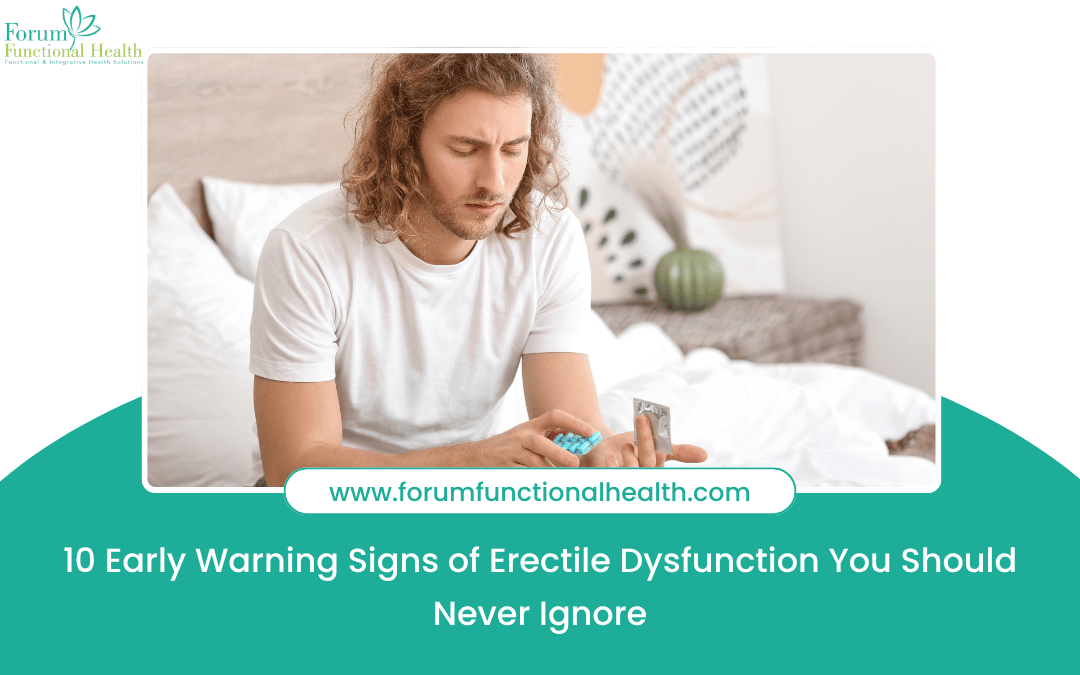
Many men assume changes in sexual performance are simply part of getting older. They may notice occasional difficulty maintaining an erection, decreased confidence in intimate situations, or less interest in sex than before. At first, these changes can seem minor. However, the early signs of erectile dysfunction are often the body’s way of signaling that something deeper may be happening.
For many men in McKinney and surrounding communities, erectile dysfunction (ED) is more than a quality-of-life concern. It can be connected to circulation problems, hormone imbalances, chronic stress, blood sugar issues, inflammation, poor sleep, or other underlying health conditions.
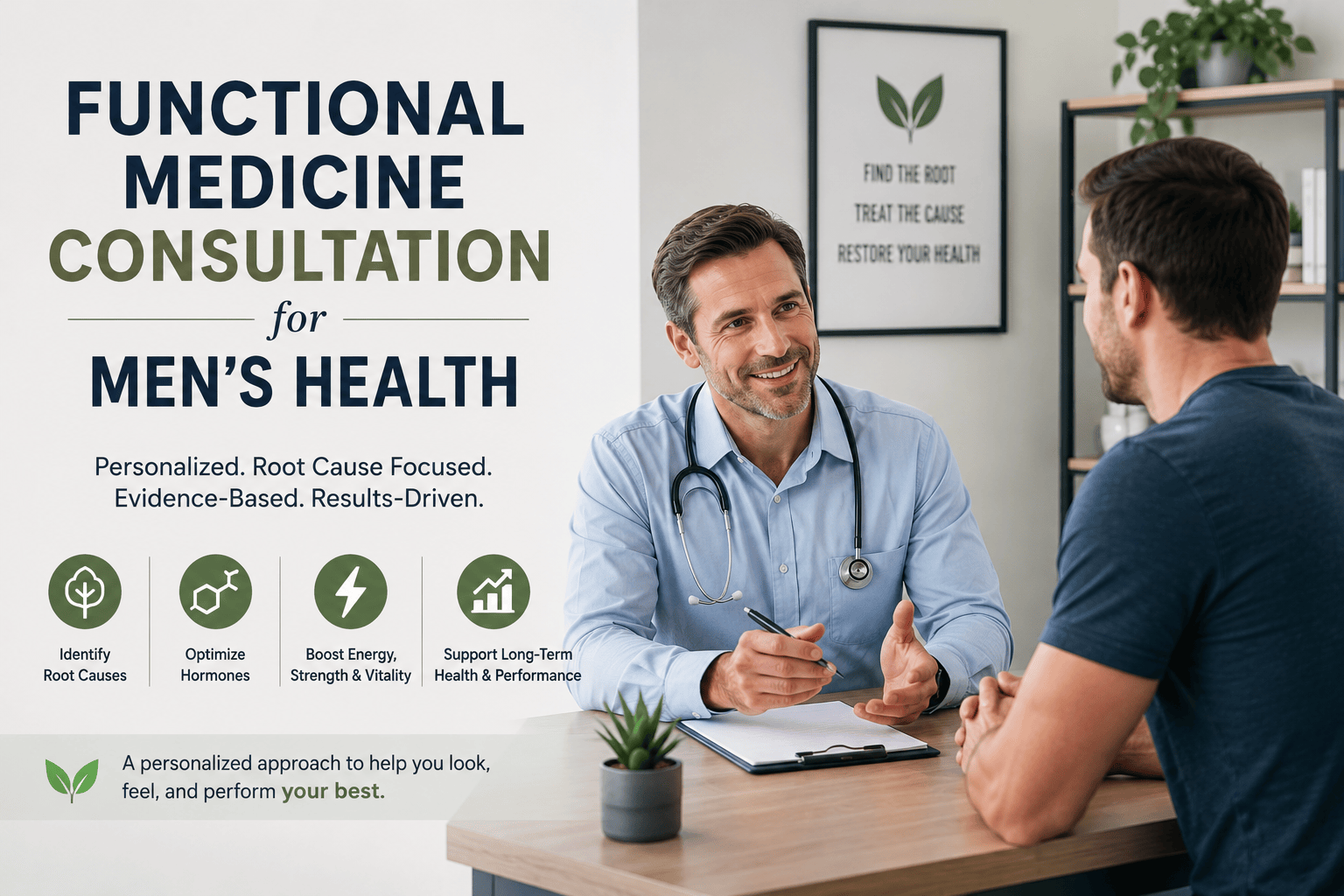
Unfortunately, symptom-focused approaches may overlook these root causes. Functional medicine takes a different approach by looking at the whole picture and identifying why symptoms developed in the first place.
If you’ve noticed changes in your sexual health, understanding these warning signs can help you take action before the problem progresses.
What Is Erectile Dysfunction?
Erectile dysfunction is the ongoing inability to achieve or maintain an erection firm enough for satisfactory sexual activity.
Occasional difficulties can happen to anyone due to stress, fatigue, or temporary health issues. However, recurring symptoms should not be ignored.
ED is often linked to:
- Reduced blood flow
- Hormonal imbalances
- Insulin resistance
- Cardiovascular concerns
- Chronic stress
- Sleep disorders
- Medication side effects
- Lifestyle factors
In many cases, erectile dysfunction serves as an early warning sign of broader health issues.
Why the Early Signs of Erectile Dysfunction Matter
The penis relies on healthy blood vessels, balanced hormones, proper nerve function, and adequate circulation. Because of this, erectile function is closely connected to overall health.
Answer
The early signs of erectile dysfunction may include weaker erections, difficulty maintaining erections, reduced sexual desire, decreased morning erections, and changes in sexual confidence. These symptoms can sometimes indicate circulation problems, hormone imbalances, stress-related conditions, or other underlying health concerns.
Recognizing symptoms early can help prevent progression and uncover health issues before they become more serious.
10 Early Warning Signs Your Erectile Dysfunction Is More Than Just Aging
-
Erections Are Not as Firm as They Used to Be
One of the earliest ED symptoms is a noticeable decline in erection quality.
You may still be able to achieve an erection, but it feels less firm or less reliable than before.
This can occur when:
- Blood flow becomes restricted
- Testosterone levels decline
- Inflammation affects vascular health
- Stress hormones remain elevated
Many men dismiss this symptom for months or even years before seeking help.
-
Difficulty Maintaining an Erection
Getting an erection but losing it before or during intercourse is another common warning sign.
While occasional episodes can happen, recurring difficulties often suggest underlying circulation problems or nervous system imbalances.
Real-Life Scenario
A busy professional in McKinney may experience increasing workplace stress, poor sleep, and skipped workouts. Over time, elevated cortisol levels can impact both hormone balance and erectile function, leading to inconsistent performance.
-
Fewer Morning Erections
Morning erections are often considered a natural indicator of healthy circulation and hormonal function.
A noticeable decrease in frequency may signal:
- Low testosterone
- Poor vascular health
- Sleep disturbances
- Hormonal imbalance
Because this change develops gradually, many men fail to recognize it as an important men’s health warning sign.
-
Reduced Sexual Desire
Libido and erectile function are related but not identical.
If you notice less interest in intimacy than usual, it may be connected to:
- Hormone deficiencies
- Chronic stress
- Depression
- Fatigue
- Thyroid dysfunction
Functional medicine providers often evaluate multiple systems rather than focusing on symptoms alone.
-
Delayed Response During Intimacy
Some men notice that arousal takes longer than it once did.
This change can be associated with:
- Circulation problems
- Elevated stress hormones
- Insulin resistance
- Medication side effects
When this becomes a pattern rather than an occasional experience, further evaluation may be beneficial.
-
Increased Performance Anxiety
One episode of erectile difficulty can sometimes trigger a cycle of anxiety.
A man may begin worrying about future sexual encounters, which increases stress and makes symptoms worse.
Over time, the emotional burden can affect:
- Self-confidence
- Relationships
- Mental well-being
- Intimacy satisfaction
This creates a feedback loop where stress contributes to physical symptoms and physical symptoms increase stress.
-
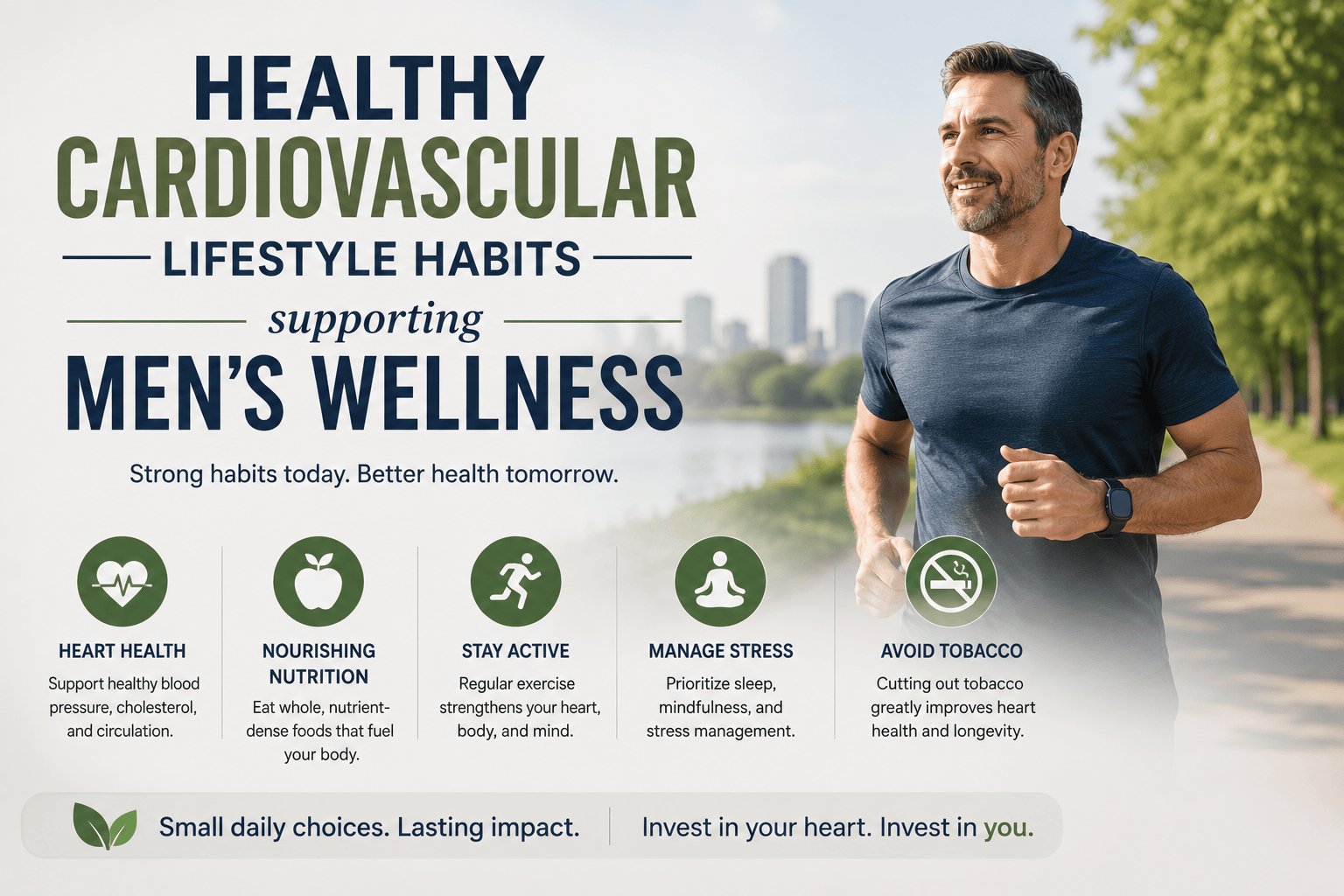
You Have Risk Factors for Circulation Problems
Healthy blood flow is essential for erectile function.
Because penile arteries are smaller than coronary arteries, ED may appear before other cardiovascular symptoms.
Answer
Erectile dysfunction can sometimes be an early indicator of circulation problems because healthy blood flow is required to achieve and maintain erections. Reduced vascular function may affect erectile performance before heart disease symptoms become noticeable.
Risk factors include:
- High blood pressure
- Elevated cholesterol
- Diabetes
- Smoking
- Obesity
- Sedentary lifestyle
-
Fatigue Is Becoming Your New Normal
Many men seeking help for ED report additional symptoms such as:
- Low energy
- Brain fog
- Poor recovery from exercise
- Difficulty concentrating
These symptoms may point toward:
- Hormonal imbalance
- Sleep apnea
- Nutritional deficiencies
- Blood sugar dysregulation
Functional medicine practitioners often investigate these interconnected factors.
-
You Have Unexplained Weight Gain
Weight gain, particularly around the abdomen, is frequently associated with declining testosterone levels and metabolic dysfunction.
Excess body fat can contribute to:
- Increased inflammation
- Insulin resistance
- Hormone disruption
- Reduced circulation
Addressing metabolic health often becomes an important part of improving overall wellness.
-
Symptoms Keep Gradually Getting Worse
One of the biggest mistakes men make is assuming symptoms will eventually resolve on their own.
If you have noticed:
- More frequent erectile difficulties
- Lower confidence
- Reduced sexual desire
- Worsening performance
it may be time to look beyond aging and explore possible root causes.
What Causes Erectile Dysfunction?
Answer
Erectile dysfunction can be caused by poor circulation, hormone imbalances, diabetes, chronic stress, obesity, sleep disorders, certain medications, and underlying cardiovascular conditions. In many cases, multiple factors contribute simultaneously.
Functional medicine recognizes that ED often develops through a combination of interconnected health issues rather than a single cause.
Common contributors include:
- Testosterone imbalance
- Chronic inflammation
- Cardiovascular dysfunction
- Blood sugar instability
- Poor sleep quality
- Nutrient deficiencies
- Emotional stress
- Lifestyle habits
Can Functional Medicine Help Erectile Dysfunction?
Answer
Functional medicine may help identify underlying contributors to erectile dysfunction by evaluating hormones, metabolic health, inflammation, nutrition, stress, sleep quality, and circulation. The goal is to address root causes rather than simply managing symptoms.
At Forum Functional Health, care focuses on understanding the unique factors affecting each patient.
Instead of asking only, “How do we improve erections?” the functional medicine approach asks:
- Why are symptoms occurring?
- What systems are out of balance?
- What factors are preventing optimal health?
A Functional Medicine Approach to Erectile Dysfunction

Step 1: Comprehensive Health Assessment
A detailed review may include:
- Health history
- Lifestyle habits
- Symptoms
- Medication review
- Family history
Step 2: Advanced Lab Evaluation
Testing may help assess:
- Hormones
- Blood sugar regulation
- Inflammatory markers
- Cardiovascular risk factors
- Nutritional status
Step 3: Personalized Wellness Plan
Recommendations may include:
- Nutrition optimization
- Stress management
- Physical activity support
- Sleep improvement strategies
- Targeted supplementation when appropriate
Step 4: Ongoing Monitoring
Long-term wellness requires ongoing adjustments based on progress and changing health needs.
When Should You Seek Treatment?
Answer
You should seek professional evaluation if erectile dysfunction symptoms occur repeatedly, affect your confidence or relationships, or are accompanied by fatigue, low libido, circulation concerns, or other health changes.
The sooner underlying causes are identified, the greater the opportunity to improve overall health and wellness.
Men in McKinney, Frisco, Plano, Dallas, and nearby Texas communities often discover that addressing ED leads to improvements in energy, metabolic health, hormone balance, and quality of life.
Final Thoughts
Experiencing erectile dysfunction can feel frustrating, confusing, and sometimes even isolating. Yet it is important to remember that ED is often a health signal—not simply an unavoidable consequence of aging.
The early signs of erectile dysfunction may reveal valuable clues about circulation, hormone health, stress levels, metabolic function, and overall wellness.
At Forum Functional Health, the goal is not simply to manage symptoms but to help uncover the factors contributing to them. Through a personalized, root-cause-focused approach, men can gain a deeper understanding of their health and work toward lasting improvements in well-being.
If you are experiencing persistent symptoms, seeking professional guidance may be an important first step toward restoring confidence, vitality, and long-term health.
Frequently Asked Questions
-
What are the earliest signs of erectile dysfunction?
Common early signs include weaker erections, difficulty maintaining erections, reduced morning erections, lower libido, and inconsistent sexual performance.
-
Is erectile dysfunction always caused by aging?
No. While age can increase risk, ED is often linked to circulation problems, hormone imbalances, diabetes, stress, sleep disorders, or lifestyle factors.
-
Can stress cause erectile dysfunction?
Yes. Chronic stress can increase cortisol levels, negatively affecting hormones, circulation, and sexual performance.
-
Are circulation problems related to erectile dysfunction?
Yes. Healthy blood flow is essential for erections, making circulation problems a common contributor to ED symptoms.
-
Can low testosterone cause erectile dysfunction?
Low testosterone may contribute to reduced libido, fatigue, and erectile difficulties, although it is not the only potential cause.
-
Should I worry if morning erections decrease?
A noticeable decline in morning erections may indicate changes in hormone balance, circulation, or sleep quality and should be evaluated if persistent.
-
How does functional medicine evaluate erectile dysfunction?
Functional medicine looks at hormones, inflammation, nutrition, metabolic health, stress, sleep, and lifestyle factors to identify root causes.
-
When should I seek professional help for ED symptoms?
If symptoms occur regularly, affect relationships, lower confidence, or continue worsening over time, professional evaluation is recommended.
Contact Forum Functional Health