
7 Signs Your “Normal” Period Problems Could Actually Be PCOS
Many women spend years believing their symptoms are simply part of being “hormonal.” Irregular periods, stubborn weight gain, fatigue, acne, mood swings, or facial hair often get brushed off as stress, aging, or genetics. But sometimes, those frustrating symptoms are actually the early signs of PCOS — and the condition may go undiagnosed far longer than it should.
For many women across Texas, especially busy professionals and mothers balancing demanding schedules in areas like McKinney, Plano, Frisco, and Dallas, hormone-related symptoms are often normalized until they begin interfering with daily life. Unfortunately, symptom-only care can sometimes overlook the deeper hormonal and metabolic imbalances contributing to the problem.
Polycystic Ovary Syndrome (PCOS) is more than just a reproductive condition. It can affect blood sugar balance, inflammation, metabolism, energy levels, mood, skin health, and long-term wellness. A functional medicine approach for PCOS looks beyond the surface to understand why symptoms are happening in the first place.
What Is PCOS?
PCOS, or Polycystic Ovary Syndrome, is a complex hormonal condition that affects how the ovaries function. It’s commonly linked to:
- Hormonal imbalances
- Insulin resistance
- Irregular ovulation
- Elevated androgen levels
- Inflammation
- Blood sugar instability
Some women develop obvious symptoms early, while others experience subtle changes for years before receiving answers.
What causes PCOS?
There is no single cause of PCOS. Instead, several factors may contribute, including:
- Genetics
- Chronic stress
- Blood sugar imbalance
- Insulin resistance
- Inflammation
- Poor sleep
- Gut health disruptions
- Nutrient deficiencies
- Environmental toxin exposure
Functional medicine focuses on identifying these root contributors rather than simply masking symptoms.
1. Irregular or Missing Periods
One of the most common early signs of PCOS is a menstrual cycle that feels unpredictable.
Some women may:
- Skip periods for months
- Experience unusually heavy bleeding
- Have cycles longer than 35 days
- Notice spotting between periods
- Feel severe PMS symptoms
Many women assume irregular cycles are caused by stress alone. While stress absolutely impacts hormones, persistent irregular periods and hormones often point toward deeper hormonal imbalances involving insulin, cortisol, and reproductive hormones.
Why this happens
Ovulation may not occur regularly in PCOS. Without consistent ovulation, hormone patterns become disrupted, affecting the menstrual cycle.
Women with undiagnosed PCOS symptoms may also notice:
- Mood swings
- Fatigue before periods
- Bloating
- Sleep disruption
- Anxiety around cycle unpredictability
2. Hormonal Acne That Won’t Go Away
Teen acne is common. Acne that continues well into adulthood — especially along the jawline, chin, neck, or lower cheeks — may be connected to hormone imbalance.
Persistent hormonal acne women experience is often linked to elevated androgen levels and inflammation.
Signs your acne may be hormone-related
- Deep cystic breakouts
- Acne worsening around periods
- Oily skin
- Acne resistant to skincare products
- Breakouts triggered by stress or sugar intake
Many women feel frustrated after trying expensive skincare routines without lasting improvement. Functional medicine evaluates the internal contributors that may be driving inflammation beneath the skin.
The gut-skin-hormone connection
Gut health and hormones are deeply connected. Imbalances in digestion, inflammation, and blood sugar regulation can influence:
- Skin inflammation
- Estrogen metabolism
- Cortisol levels
- Detoxification pathways
This is why some women notice skin improvements when nutrition, sleep, and stress management are addressed together.
3. Unexplained Weight Gain or Difficulty Losing Weight
Hormone-related weight gain can feel incredibly discouraging.
Many women with PCOS report:
- Weight gain around the abdomen
- Intense sugar cravings
- Energy crashes after meals
- Difficulty losing weight despite exercise
- Increased fatigue during workouts
Often, the issue is not a lack of willpower. Blood sugar imbalance and insulin resistance frequently play a major role.
How blood sugar affects PCOS
When insulin levels remain elevated, the body may:
- Store more fat
- Trigger inflammation
- Increase androgen production
- Disrupt ovulation
- Cause energy fluctuations
This is why many women with PCOS feel exhausted even after eating.
A realistic patient scenario
A woman in her early 30s may spend months exercising regularly while seeing minimal results. Standard lab work might appear “normal,” yet she continues struggling with fatigue, cravings, irregular cycles, and stubborn weight gain. Functional medicine testing may reveal insulin resistance, cortisol imbalance, inflammation, or nutrient deficiencies contributing to her symptoms.
4. Facial Hair Growth or Hair Thinning
Another commonly overlooked symptom involves androgen imbalance.
Common facial hair women causes linked to PCOS include:
- Elevated testosterone
- Insulin resistance
- Chronic inflammation
- Hormonal imbalance
Women may notice:
- Increased hair growth on the chin or upper lip
- Darker body hair
- Hair thinning near the scalp
- Receding hairline patterns
These symptoms can significantly impact confidence and emotional wellbeing.
Because hormone fluctuations can affect self-esteem, some women also experience anxiety, social withdrawal, or depressive symptoms alongside physical changes.
5. Fatigue and Brain Fog
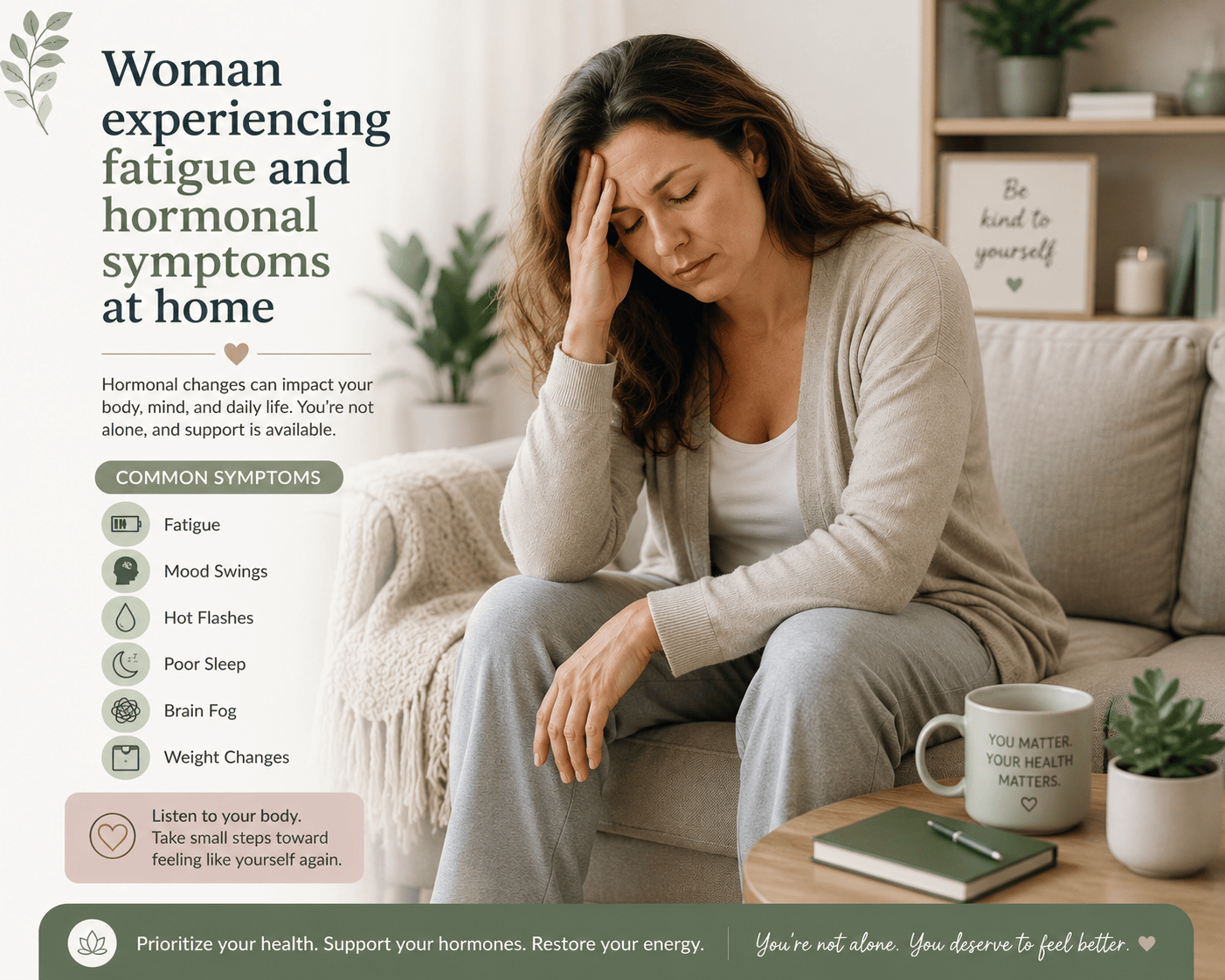
Chronic fatigue symptoms are often dismissed as burnout, especially among busy Texas professionals juggling careers, parenting, and stress.
But ongoing exhaustion may signal deeper metabolic and hormonal dysfunction.
Women with PCOS may experience:
- Afternoon crashes
- Poor concentration
- Brain fog
- Low motivation
- Sleep disturbances
- Waking up tired
Why fatigue happens in PCOS
Several factors may contribute:
- Blood sugar instability
- Cortisol dysregulation
- Poor sleep quality
- Inflammation and stress
- Nutrient deficiencies
- Thyroid dysfunction
Functional medicine evaluates these overlapping systems together instead of treating symptoms in isolation.
6. Mood Changes, Anxiety, or Depression
Hormones influence far more than reproductive health.
Women with undiagnosed PCOS symptoms often report:
- Anxiety
- Irritability
- Depression
- Emotional overwhelm
- Increased stress sensitivity
Can hormones affect mental health?
Yes. Hormonal imbalance can affect neurotransmitters, sleep quality, inflammation, and stress hormones — all of which influence emotional wellbeing.
Women dealing with ongoing symptoms may also feel frustrated after years of not being taken seriously or being told their symptoms are “normal.”
A comprehensive wellness approach may include:
- Stress management
- Nutrition support
- Sleep optimization
- Blood sugar balance
- Mental health support
- Inflammation reduction
In some cases, integrative approaches such as IV therapy, lifestyle medicine, or personalized wellness optimization may also support recovery.
7. Fertility Challenges or Trouble Ovulating
Some women only discover PCOS after struggling to conceive.
Irregular ovulation can make pregnancy more difficult, especially when underlying insulin resistance and inflammation are present.
Signs ovulation may be irregular include:
- Inconsistent cycles
- Missing periods
- Unpredictable fertility windows
- Severe PMS
- Low basal body temperature patterns
The encouraging news is that many women improve ovulation patterns through comprehensive hormone and metabolic support.
Can Functional Medicine Help PCOS?
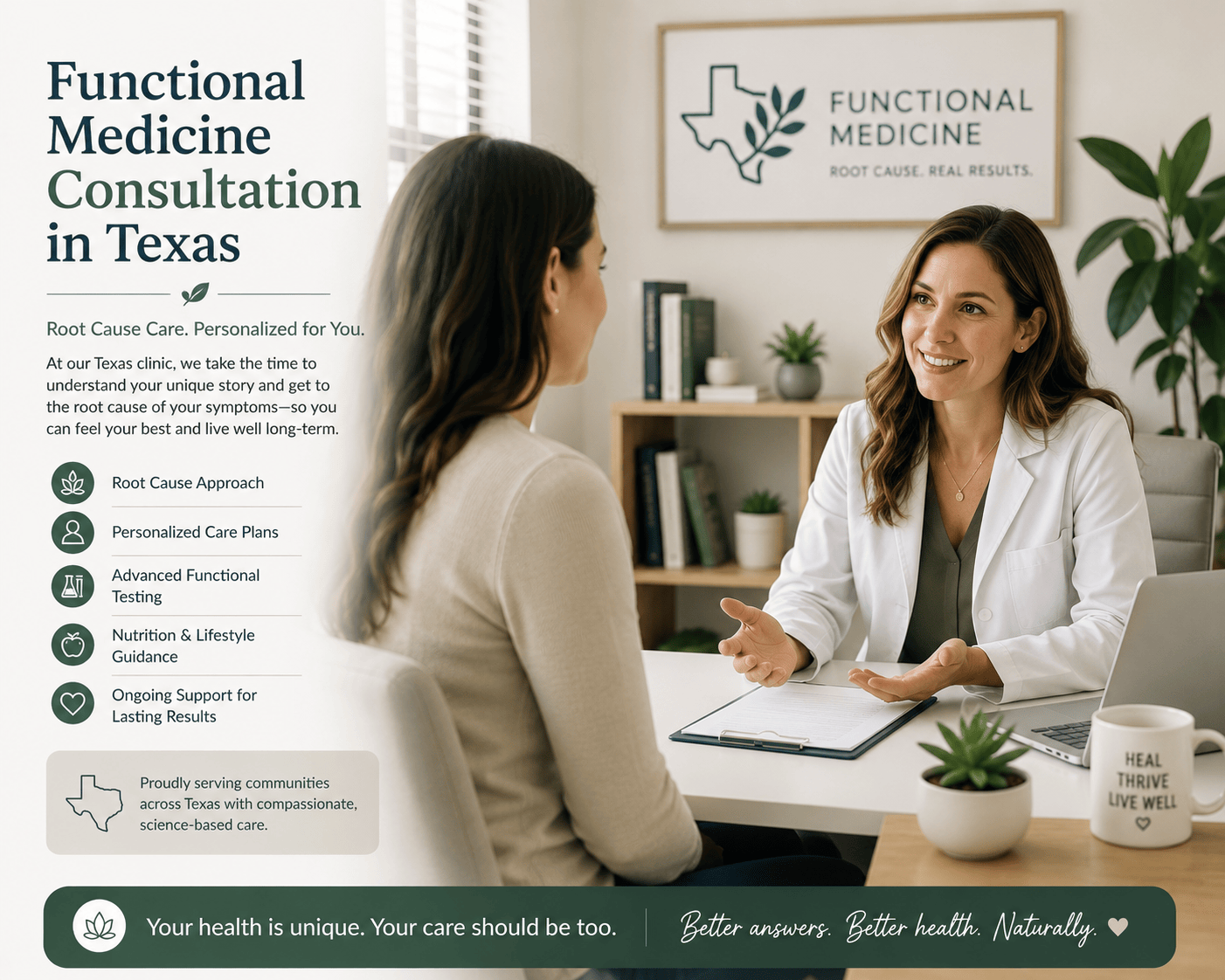
A functional medicine approach to PCOS focuses on root causes.
Instead of only suppressing symptoms, functional medicine explores:
- Hormonal patterns
- Blood sugar balance
- Cortisol and stress response
- Inflammation
- Gut health
- Nutrient deficiencies
- Sleep quality
- Lifestyle contributors
How does treatment work?
A personalized care plan may include:
- Comprehensive consultation
- Detailed symptom and lifestyle review
- Advanced or ancillary testing
- Nutrition and metabolic assessment
- Personalized wellness recommendations
- Ongoing monitoring and adjustments
Treatment may involve:
- Anti-inflammatory nutrition strategies
- Blood sugar support
- Stress reduction
- Sleep optimization
- Hormone-supportive movement
- Gut health support
- Weight loss management
- Targeted supplementation when appropriate
Because every woman’s hormone profile is different, individualized care matters.
Lifestyle Habits That May Support Hormone Balance

While treatment plans vary, several foundational habits can support hormonal wellness.
Nutrition Support
Focus on:
- Balanced protein intake
- Fiber-rich foods
- Healthy fats
- Blood sugar stability
- Reducing highly processed foods
Many women benefit from minimizing:
- Excess sugar
- Refined carbohydrates
- Chronic inflammatory foods
Stress Management
Chronic stress can elevate cortisol and worsen hormonal imbalance.
Helpful strategies may include:
- Breathwork
- Walking outdoors
- Strength training
- Journaling
- Therapy or counseling
- Mindfulness practices
Sleep Optimization
Poor sleep directly affects:
- Hunger hormones
- Insulin sensitivity
- Cortisol balance
- Inflammation
Aim for:
- Consistent sleep schedules
- Reduced evening screen exposure
- Better stress recovery habits
Movement That Supports Hormones
Excessive high-intensity exercise may worsen stress for some women.
Many women benefit from:
- Strength training
- Walking
- Pilates
- Moderate cardio
- Recovery-focused exercise
When Should You Seek Help for PCOS Symptoms?
You should consider evaluation if you experience:
- Persistent irregular cycles
- Unexplained weight gain
- Chronic fatigue
- Hormonal acne
- Facial hair growth
- Fertility concerns
- Mood changes linked to hormones
The earlier hormonal imbalances are addressed, the easier it may be to support long-term metabolic and reproductive health.
FAQs
What are the early signs of PCOS most women overlook?
Many women overlook symptoms such as irregular periods, hormonal acne, fatigue, facial hair growth, weight gain, and mood changes because they develop gradually over time.
Can stress make PCOS symptoms worse?
Yes. Chronic stress may increase cortisol levels, worsen inflammation, disrupt blood sugar balance, and contribute to hormone irregularities associated with PCOS.
Why do I feel exhausted even when my lab work looks normal?
Standard lab testing may not always identify underlying issues such as insulin resistance, inflammation, nutrient deficiencies, or cortisol imbalance that can contribute to fatigue and hormone symptoms.
Can functional medicine help with hormonal imbalance naturally?
Functional medicine focuses on identifying root contributors to hormone imbalance through personalized nutrition, lifestyle support, stress management, gut health care, and targeted wellness strategies.
When should I see a doctor for irregular periods?
You should seek medical evaluation if your cycles are consistently irregular, absent, unusually painful, or associated with symptoms like fatigue, acne, weight changes, or fertility concerns.
Conclusion
Many women spend years trying to “push through” symptoms that their bodies are actively asking them to pay attention to. Irregular cycles, fatigue, acne, mood changes, and unexplained weight gain are not always random inconveniences — they can be important signals of deeper hormonal imbalance.
Understanding the early signs of PCOS can help women seek answers sooner and avoid feeling dismissed or overlooked. A root-cause, functional medicine approach aims to look at the full picture — including hormones, stress, nutrition, metabolism, inflammation, and lifestyle factors — so care feels more personalized and supportive.
For women across McKinney, Frisco, Plano, Dallas, and surrounding Texas communities, compassionate and comprehensive care can make a meaningful difference in long-term wellness, energy, and quality of life.
Contact Forum Functional Health