
12 Unexpected Weight Gain Symptoms That Suggest It’s More Than Diet and Exercise
Many people assume that weight gain always comes down to eating too much or exercising too little. Yet countless individuals find themselves doing everything “right”—counting calories, staying active, and making healthier choices—only to watch the scale continue moving in the wrong direction.
If you’ve been experiencing unexpected weight gain symptoms, you may be dealing with something deeper than lifestyle habits alone.
At Forum Functional Health, many patients arrive feeling frustrated, discouraged, and confused. They’ve often spent months or even years trying different diets without lasting success. In many cases, the issue isn’t a lack of willpower. The body may be signaling underlying imbalances involving hormones, thyroid function, stress responses, inflammation, or metabolic health.
Understanding these signs can help you identify when weight gain deserves a closer look and why a root-cause approach may be important for long-term wellness.
When Weight Gain Is More Than a Calorie Problem
Weight management is far more complex than the outdated “eat less, move more” advice suggests.
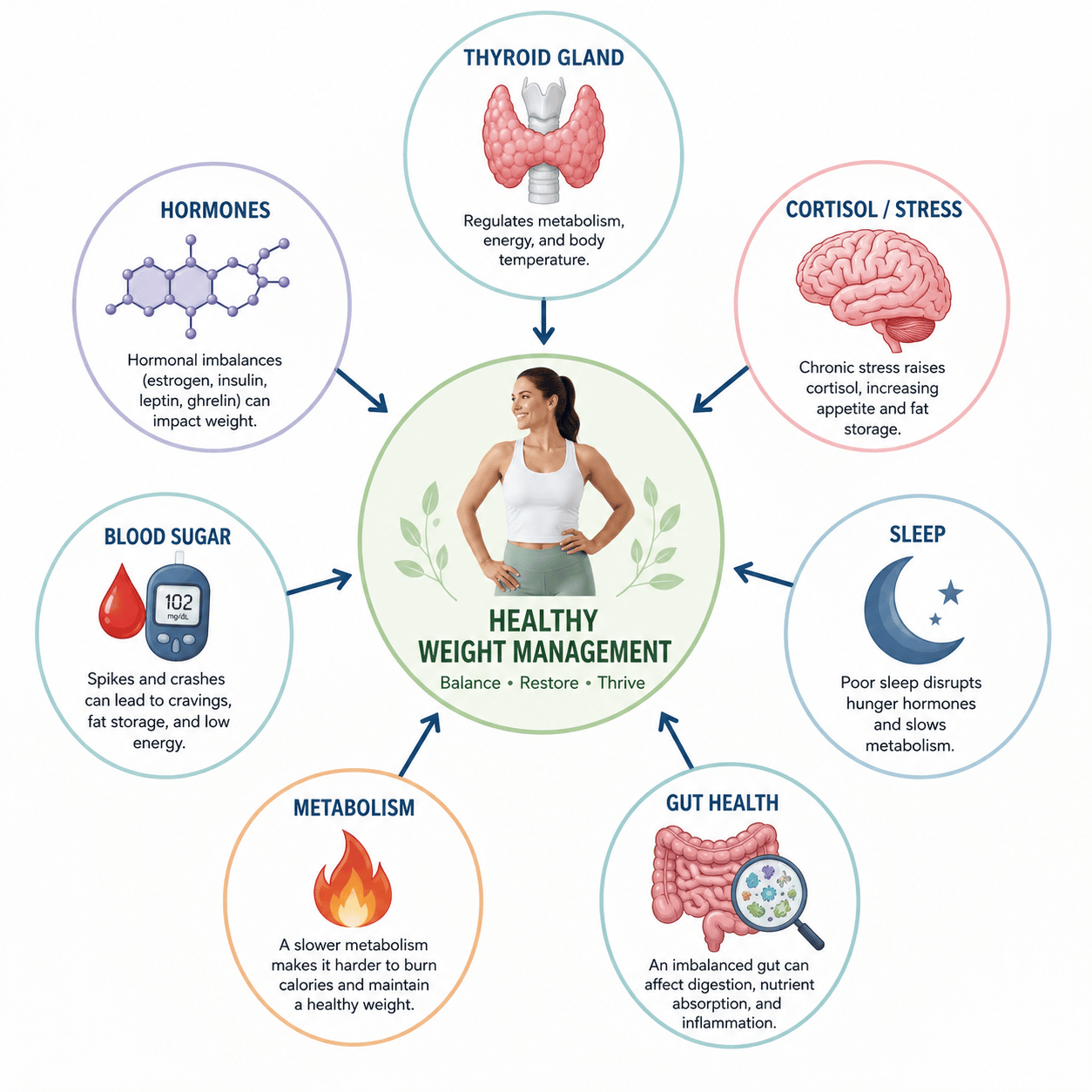
Your body relies on a delicate balance involving:
- Hormones
- Thyroid function
- Blood sugar regulation
- Stress response systems
- Sleep quality
- Gut health
- Metabolic efficiency
When one or more of these systems become disrupted, weight gain can occur even when lifestyle habits appear healthy.
1. Persistent Fatigue Along With Weight Gain
Feeling tired after a long day is normal. Feeling exhausted every day despite adequate sleep is not.
Many people experiencing unexplained weight gain symptoms also report:
- Low energy levels
- Difficulty getting through the afternoon
- Reduced motivation to exercise
- Brain fog
Fatigue can sometimes be associated with:
- Thyroid dysfunction
- Hormonal imbalances
- Blood sugar instability
- Chronic stress
Patient Scenario
A woman in McKinney may notice she’s gaining weight despite maintaining her usual routine. At the same time, she struggles to wake up refreshed and feels exhausted by mid-afternoon. These combined symptoms often warrant a deeper evaluation.
2. Increased Abdominal Fat Around the Midsection
Weight gain isn’t always distributed evenly.
When excess weight begins accumulating primarily around the abdomen, it may be linked to:
- Elevated cortisol levels
- Insulin resistance
- Metabolic dysfunction
- Chronic inflammation
The body tends to store fat differently when stress hormones remain elevated for extended periods.
What Causes This?
Chronic stress can trigger increased cortisol production. Over time, elevated cortisol may influence appetite, cravings, and fat storage patterns.
This is one of the most common cortisol symptoms associated with stubborn weight gain.
3. Constant Sugar or Carbohydrate Cravings
Do you feel like you’re always craving sweets, bread, or processed carbohydrates?
Persistent cravings may indicate:
- Blood sugar imbalances
- Insulin resistance
- Stress-related hormonal changes
- Poor metabolic flexibility
These cravings often create a frustrating cycle:
- Cravings increase.
- Blood sugar spikes.
- Energy crashes.
- More cravings follow.
Breaking this cycle frequently requires addressing the underlying metabolic issue rather than relying solely on willpower.
4. Brain Fog and Difficulty Concentrating
Weight gain is not always just a physical symptom.
Many individuals also experience:
- Poor focus
- Forgetfulness
- Difficulty concentrating
- Mental fatigue
Brain fog can sometimes accompany:
- Thyroid symptoms
- Hormone imbalance signs
- Blood sugar dysregulation
- Sleep disturbances
When the body’s systems are struggling, cognitive function may suffer alongside metabolism.
5. Mood Changes and Increased Irritability
If you’ve noticed mood swings occurring alongside weight gain, there may be a physiological connection.
Hormones play an important role in:
- Emotional regulation
- Appetite control
- Energy production
- Sleep quality
Common mood-related symptoms include:
- Irritability
- Anxiety
- Feeling overwhelmed
- Reduced stress tolerance
These changes may be overlooked because many people assume they’re simply dealing with life stress.
6. Irregular Menstrual Cycles
For women, unexpected weight gain can sometimes coincide with hormonal shifts.
Potential hormone imbalance signs include:
- Irregular periods
- Heavy cycles
- Missed periods
- Increased PMS symptoms
Hormones such as estrogen, progesterone, and insulin work together to influence metabolism.
When these systems become imbalanced, weight management can become significantly more challenging.
7. Hair Thinning or Hair Loss
Hair health often reflects what’s happening internally.
If weight gain occurs alongside:
- Hair thinning
- Excessive shedding
- Changes in hair texture
It may point toward underlying concerns involving:
- Thyroid function
- Nutrient deficiencies
- Hormonal changes
- Chronic stress
This symptom is frequently overlooked because many people don’t associate hair changes with metabolic health.
8. Poor Sleep Quality
Sleep and weight management are closely connected.
Even individuals who spend enough time in bed may experience:
- Frequent nighttime waking
- Difficulty falling asleep
- Non-restorative sleep
- Morning fatigue
Poor sleep can influence:
- Hunger hormones
- Cortisol production
- Insulin sensitivity
- Appetite regulation
Over time, inadequate sleep may contribute to ongoing weight challenges.
9. Feeling Cold More Often Than Usual
One of the lesser-known thyroid symptoms associated with weight gain is increased sensitivity to cold temperatures.
You may notice:
- Cold hands and feet
- Difficulty staying warm
- Increased discomfort in air-conditioned environments
Since thyroid hormones help regulate metabolism and body temperature, changes in thyroid function may affect both.
10. Difficulty Losing Weight Despite Consistent Effort
Perhaps the most frustrating sign is when healthy habits simply stop producing results.
You may find yourself:
- Exercising regularly
- Following balanced nutrition plans
- Tracking calories carefully
Yet the scale barely changes.
This situation often leads people to blame themselves when the real issue may involve deeper metabolic or hormonal factors.
11. Increased Water Retention and Bloating
Not all weight gain comes from body fat.
Fluid retention can contribute to:
- Swelling
- Bloating
- Puffy appearance
- Temporary weight fluctuations
Underlying contributors may include:
- Hormonal imbalances
- Inflammation
- Stress-related changes
- Nutritional deficiencies
Understanding the difference between fluid retention and true fat gain can be important when evaluating symptoms.
12. Reduced Exercise Recovery
Are your workouts leaving you feeling depleted for days?
Poor recovery may indicate:
- Elevated stress levels
- Hormonal disruption
- Nutritional imbalances
- Metabolic dysfunction
The body needs adequate recovery capacity to maintain a healthy metabolism.
When recovery suffers, overall wellness often follows.
What Causes Unexpected Weight Gain Symptoms?
Unexpected weight gain symptoms may be associated with multiple factors beyond food intake and exercise habits.
Common contributors include:
- Hormonal imbalances
- Thyroid dysfunction
- Chronic stress
- Elevated cortisol levels
- Insulin resistance
- Sleep disturbances
- Inflammation
- Metabolic dysfunction
A comprehensive evaluation can help identify which factors may be influencing your health.
Can Functional Medicine Help With Weight Gain?
Functional medicine focuses on identifying and addressing root causes that may contribute to weight-related challenges.
Rather than concentrating only on the number on the scale, providers often evaluate:
- Hormonal health
- Thyroid function
- Metabolic markers
- Nutrition status
- Sleep patterns
- Stress levels
- Lifestyle factors
This personalized approach helps create strategies tailored to the individual rather than applying a one-size-fits-all solution.
How Does a Root-Cause Weight Management Approach Work?
A functional medicine weight management process often includes:
Step 1: Comprehensive Health Review
Providers examine symptoms, medical history, lifestyle factors, and wellness goals.
Step 2: Advanced Assessment
Appropriate testing may help identify:
- Hormonal concerns
- Thyroid imbalances
- Blood sugar issues
- Nutritional deficiencies
Step 3: Personalized Care Plan
Recommendations may include:
- Nutrition optimization
- Stress-management strategies
- Sleep support
- Lifestyle modifications
- Targeted wellness interventions
Step 4: Ongoing Monitoring
Progress is evaluated and adjusted to support sustainable, long-term results.
When Should You Seek Professional Help for Weight Gain?
You should consider professional evaluation if weight gain is accompanied by:
- Extreme fatigue
- Hormonal symptoms
- Persistent cravings
- Hair loss
- Brain fog
- Sleep disturbances
- Mood changes
- Difficulty losing weight despite healthy habits
The earlier underlying contributors are identified, the easier it may be to create an effective wellness strategy.
Supporting Healthy Weight Naturally
While every individual is different, these habits often support overall metabolic health:
- Prioritize quality sleep
- Manage stress consistently
- Eat protein-rich meals
- Include strength training
- Stay physically active throughout the day
- Focus on nutrient-dense foods
- Maintain regular healthcare evaluations
Small, sustainable improvements often create better long-term outcomes than extreme dieting approaches.
Frequently Asked Questions
1. What are the most common unexpected weight gain symptoms?
Common symptoms include fatigue, abdominal weight gain, brain fog, cravings, mood changes, poor sleep, and difficulty losing weight despite healthy habits.
2. Can thyroid problems cause unexplained weight gain?
Yes. Certain thyroid conditions may affect metabolism and contribute to weight gain, fatigue, sensitivity to cold, and other symptoms.
3. What are common hormone imbalance signs related to weight gain?
Irregular periods, mood swings, sleep issues, increased cravings, abdominal fat accumulation, and energy changes are commonly reported signs.
4. Can high cortisol levels make it harder to lose weight?
Elevated cortisol may influence appetite, cravings, fat storage, and blood sugar regulation, making weight management more challenging.
5. How do I know if my weight gain is related to metabolism?
If weight gain occurs despite healthy eating and regular exercise, metabolic dysfunction may be worth discussing with a healthcare professional.
6. Is weight gain always caused by overeating?
No. Hormonal, thyroid, inflammatory, and metabolic factors can all influence body weight.
7. When should I seek treatment for unexplained weight gain symptoms?
Consider professional evaluation when weight gain is persistent, unexplained, or accompanied by fatigue, hormone-related symptoms, or other health concerns.
8. Can functional medicine support long-term weight management?
Functional medicine may help identify underlying factors affecting weight and create individualized wellness strategies designed to support sustainable health goals.
Conclusion
Weight gain is not always a simple reflection of diet and exercise habits. For many people, persistent changes in weight may be the body’s way of signaling deeper concerns involving hormones, thyroid function, stress response systems, sleep quality, or metabolic health.
Understanding these symptoms can help you move beyond frustration and toward meaningful answers. If you’ve been struggling with unexpected weight gain symptoms and feel like your efforts are no longer matching your results, a personalized, root-cause approach may provide valuable insight into what’s really happening beneath the surface.
Taking the time to understand your body’s signals is often the first step toward achieving sustainable wellness and long-term health.
Contact Forum Functional Health